

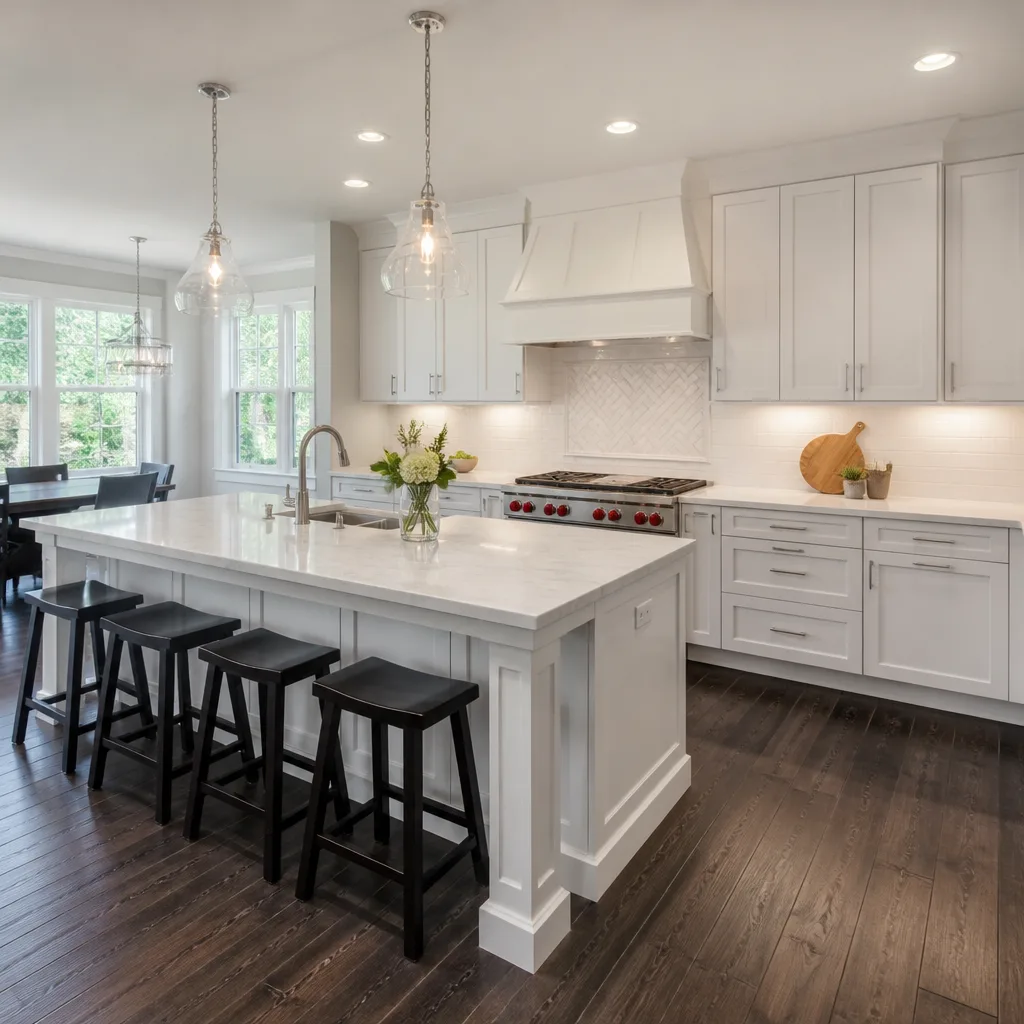
 Kitchen remodeling
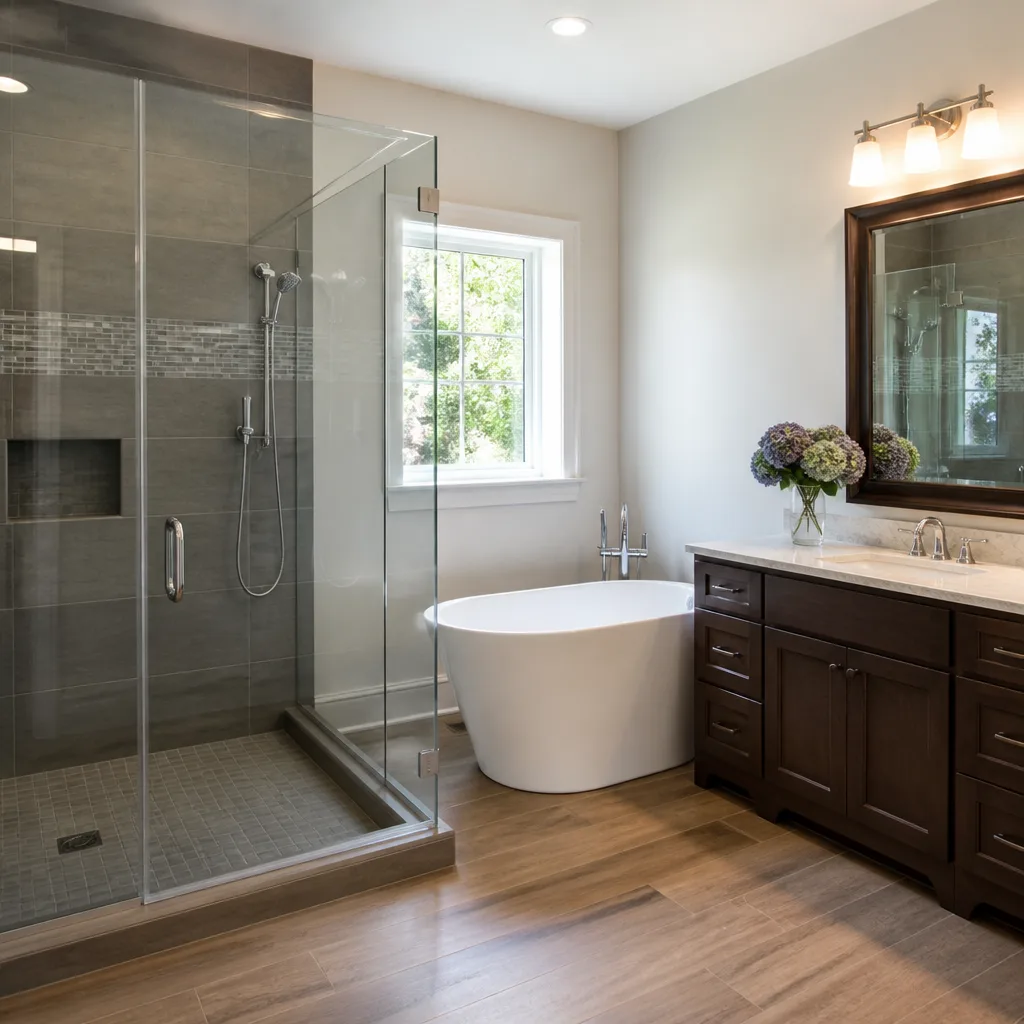 Bathroom remodeling
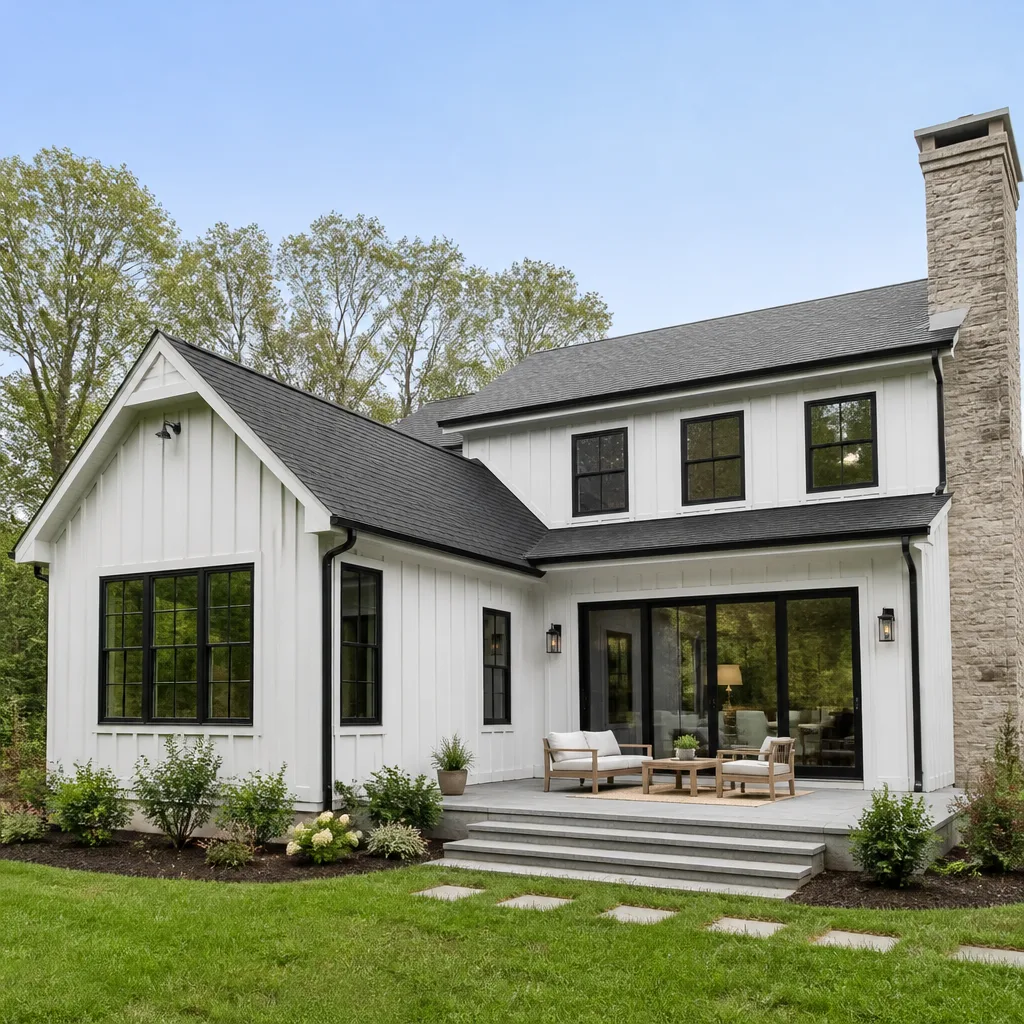 Home additions & ADU
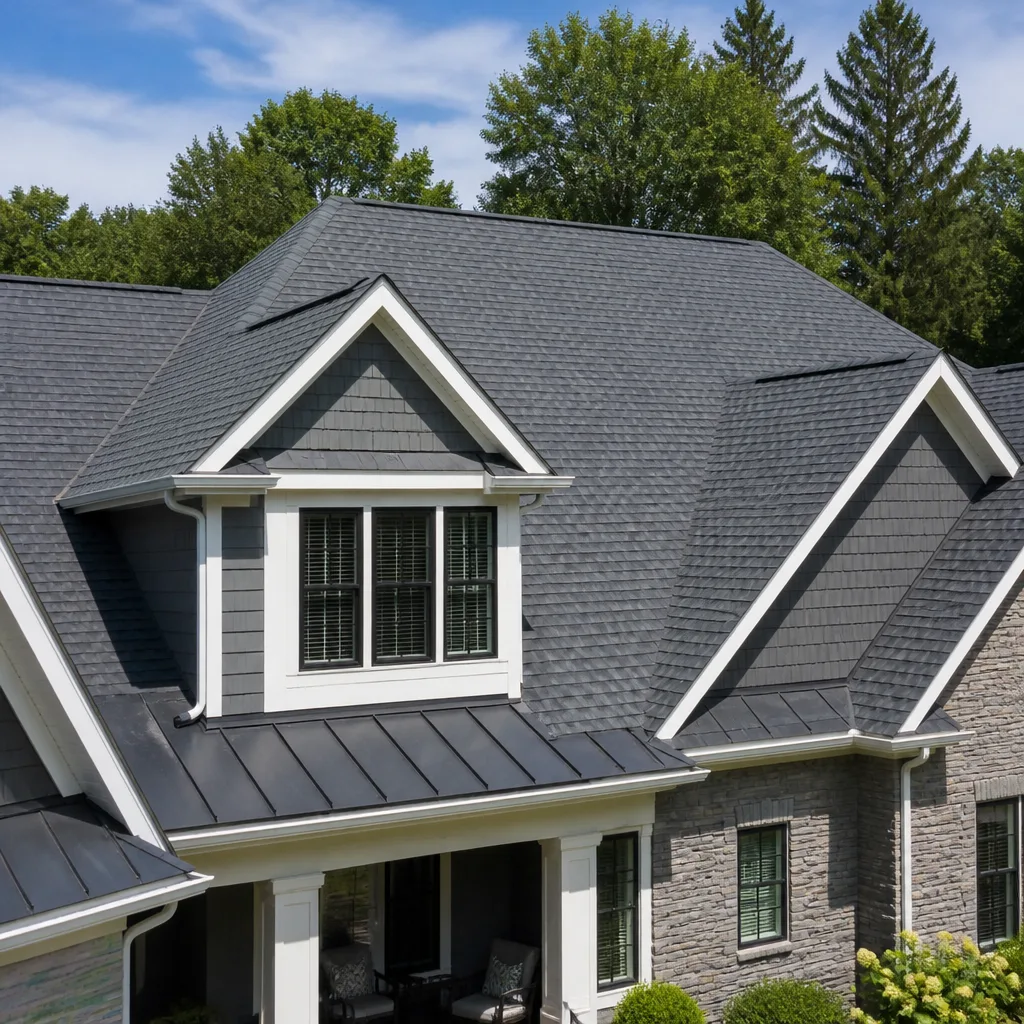 Roofing
 Windows & doors
 Driveway & pavers
 Fence
Free written scope consultation - allowances, timeline, and change-order rules on paper before a single trade is scheduled
GAF Construction in San Francisco, CA | Brookside Contractors
We install, repair, and replace GAF roofing systems across San Francisco, from GAF repair in Noe Valley Victorians to Outer Sunset row houses. The short version: we’re an independent GAF contractor, not a manufacturer affiliate, which means we match the right GAF product to your specific roof rather than pushing whatever’s on a corporate spec sheet. What really sets our work apart here is knowing how San Francisco’s marine fog, steep hills, and dense pre-1906 housing stock stress GAF materials in ways you won’t see in Sunnyvale or Walnut Creek. Call (833) 725-3508 for a free GAF roof estimate anywhere in the city.
Why San Francisco Residents Choose Us for GAF Service
Nate Burrell grew up around construction in the South Bay, trained in construction technology at Gavilan College, and spent the better part of two decades on job sites before putting together the Brookside crew. He’s the first to tell you that a roof in San Francisco isn’t the same job as a roof in Morgan Hill. The fog changes everything. The hills change everything. The building department changes everything.
We run GAF sales & service as a core part of our roofing practice, which means our crews handle Timberline architectural shingles, EverGuard TPO, and Liberty self-adhering low-slope membrane every week. We’ve pulled failed GAF systems off pre-1906 Victorians, mid-century stucco boxes, and post-war infill additions all over the city. What we recommend on a flat Sunset District roof isn’t what we’d recommend on a steep Russian Hill pitch. That’s the point. We use OEM GAF underlayments, starter strips, and ridge accessories where they matter, and we stock the common profiles so we’re not waiting on a freight truck when your roof’s already open. For San Francisco service area coverage, we handle ZIP codes 94127, 94128, 94129, and 94130.
Styles & brands we work with
Common GAF Construction Problems We Solve in San Francisco
- Fog-driven flashing corrosion. Marine air in San Francisco eats exposed fasteners, drip edge, and flashing metal faster than almost anywhere inland. Wind-driven fog off the Pacific pushes moisture into laps and seams, and before long water’s tracking back under Timberline courses. We see it on nearly every coastal-facing slope in the Outer Richmond and Sunset. Our fix: we replace corroded flashing with heavier-gauge metal and re-detail the tie-ins so water sheds away from the shingle field instead of under it. The GAF underlayment does its job only if the metal above it is sound.
- Mismatched planes on renovated Victorians and Edwardians. These old houses have been added onto for a hundred years. Re-roofs on original sections plus additions leave odd valleys, tie-ins, and plane changes that stress GAF underlayment and decking. Water ponds at transitions, shingles get starved of slope, and leaks start. We rework valleys with proper metal and underlayment details rather than just shingling over the same bad geometry.
- Blistered and ponding low-slope membranes on rear additions. San Francisco’s dense lots mean aging rear additions often carry GAF Liberty or TPO membranes installed years ago when standards were looser. Winter rains pool water, the membrane blisters, and water backs up under the adjoining shingles. We re-skin those low-slope areas with fresh GAF membrane and tie them properly into the shingle field.
- Deck flex telegraphing through shingles on hill-facing slopes. Original roof decks over old redwood or fir framing can flex, especially on the steep downslope-facing sides of homes in Noe Valley and Glen Park. Granule loss and broken seal-down strips follow, and the shingles start looking like they’ve been through a decade of weather in three years. We sister decking where it’s soft, then re-lay the GAF field with proper fastening patterns.
- Wind-driven rain getting under ridge and hip shingles. On exposed hilltops and west-facing slopes, San Francisco’s wind gusts drive rain sideways. Standard ridge details fail faster here. We install GAF ridge accessories with attention to wind uplift ratings, and add extra fasteners at ridges and hips where the exposure calls for it.
GAF Service in San Francisco: What Local Conditions Mean for Your Equipment
Here’s something specific that shapes every GAF job in San Francisco: the Department of Building Inspection enforces some of the strictest seismic and historic-preservation rules in the country, so re-roofing a pre-1906 survivor in a historic district often requires more than pulling a roofing permit. The scope can trigger review. If your Victorian sits in a designated historic district, the DBI may require documentation of materials, roof pitch, and even color before work starts. We’ve walked homeowners through that process more times than we can count, and it changes how we sequence a GAF replacement: we pull the permit path first, confirm what review is triggered, and only then order materials. That’s not how it works in Daly City or South San Francisco. Here, the building department is part of the roof.
On a steep Mission District GAF service block nearby, we tore off a failed rear low-slope addition where a GAF Liberty membrane had blistered and ponded, sending water back under the adjoining Timberline HDZ field. Wind-driven fog had eaten the flashing metal and the old deck flexed, so we sistered decking, installed new GAF underlayment and self-adhered low-slope membrane, and re-laid shingles with fresh ridge vent and drip edge. The homeowner had called three other roofers who wanted to just re-shingle over the whole mess. We walked them through why the membrane and decking had to come first. It’s not the cheapest way. It’s the way that doesn’t leak again in two winters.
GAF Models & Products We Service in San Francisco
We install and repair the full GAF residential line that makes sense for San Francisco’s climate and housing stock. That means Timberline HDZ and Timberline UHDZ architectural shingles for steep-pitch Victorians, Edwardians, and hillside homes where wind uplift and slope demand a heavier, better-sealing shingle. For low-slope sections and flat roof areas, we use EverGuard TPO single-ply membrane on larger commercial-style decks and GAF Liberty self-adhering membrane for residential low-slope additions. Where GAF doesn’t supply the exact flashing profile a particular San Francisco roof needs, we source quality aftermarket flashing metals matched to the shingle line. Parts come from GAF-manufactured underlayments, starter strips, and ridge accessories whenever possible, because mixing in generic components undermines the system warranty. We keep common Timberline HDZ and Liberty profiles in local stock so San Francisco jobs don’t stall waiting on distribution.
See the difference
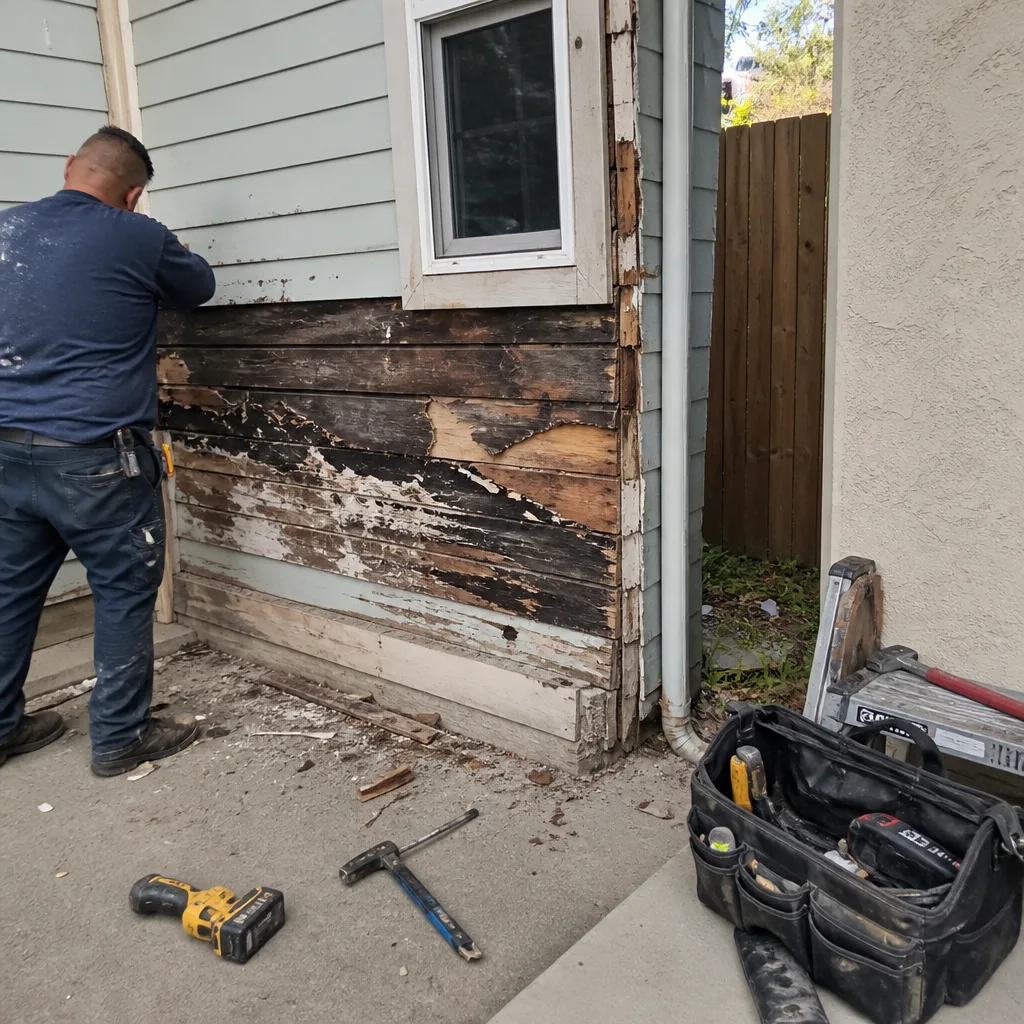 Before
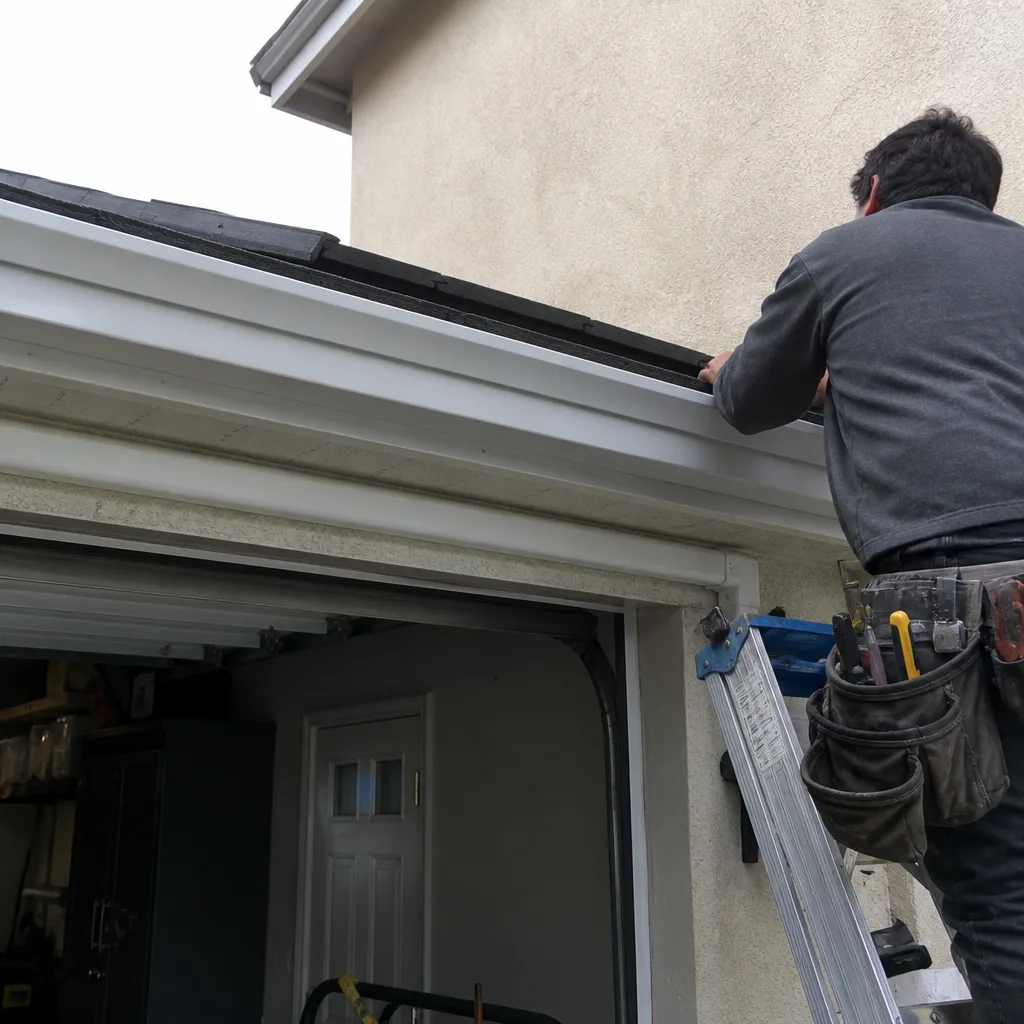 After
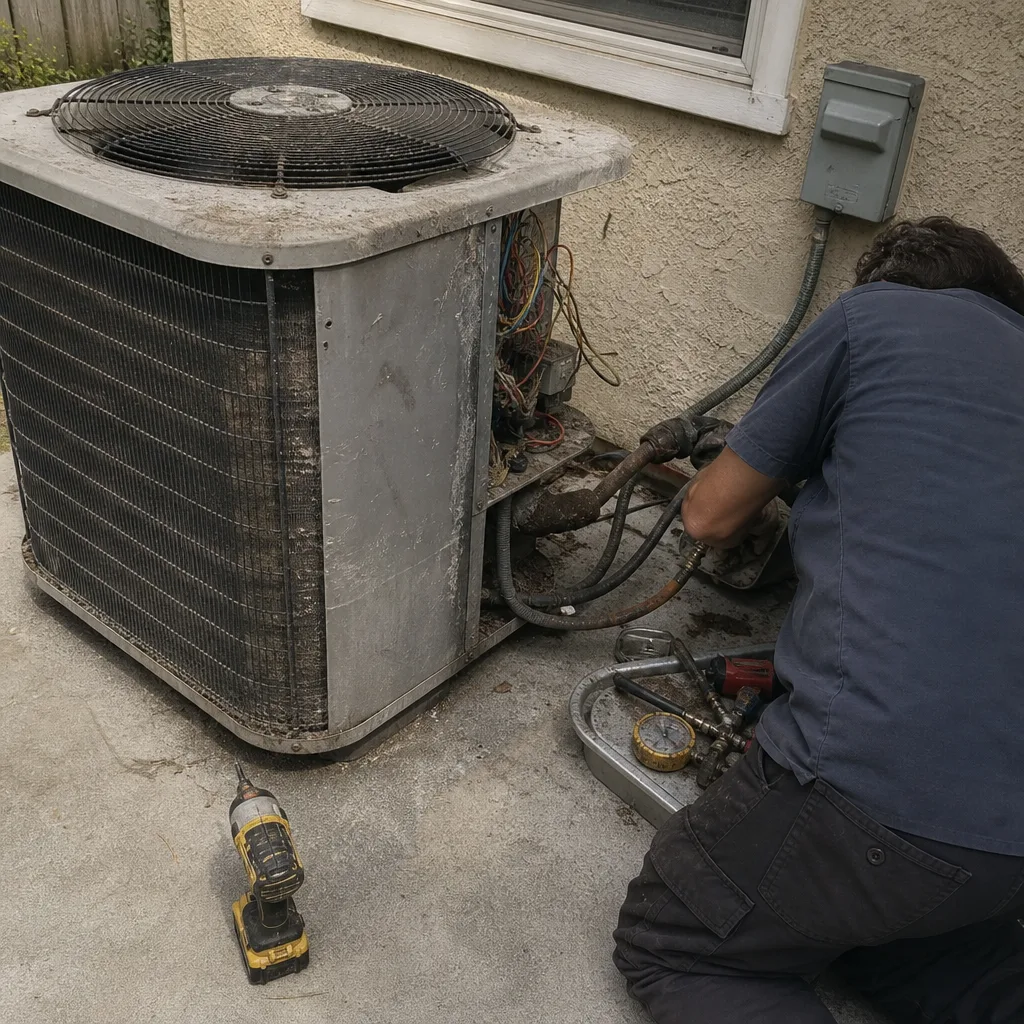 Before
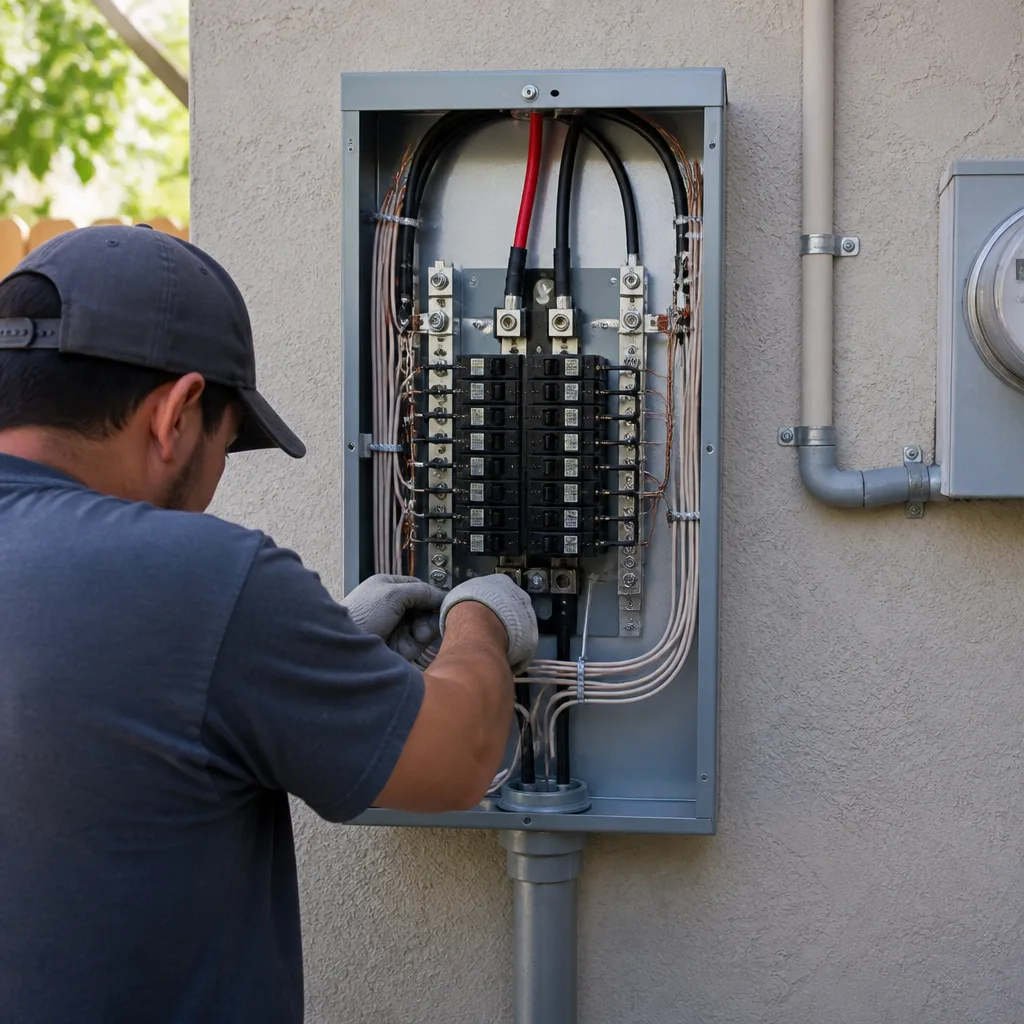 After
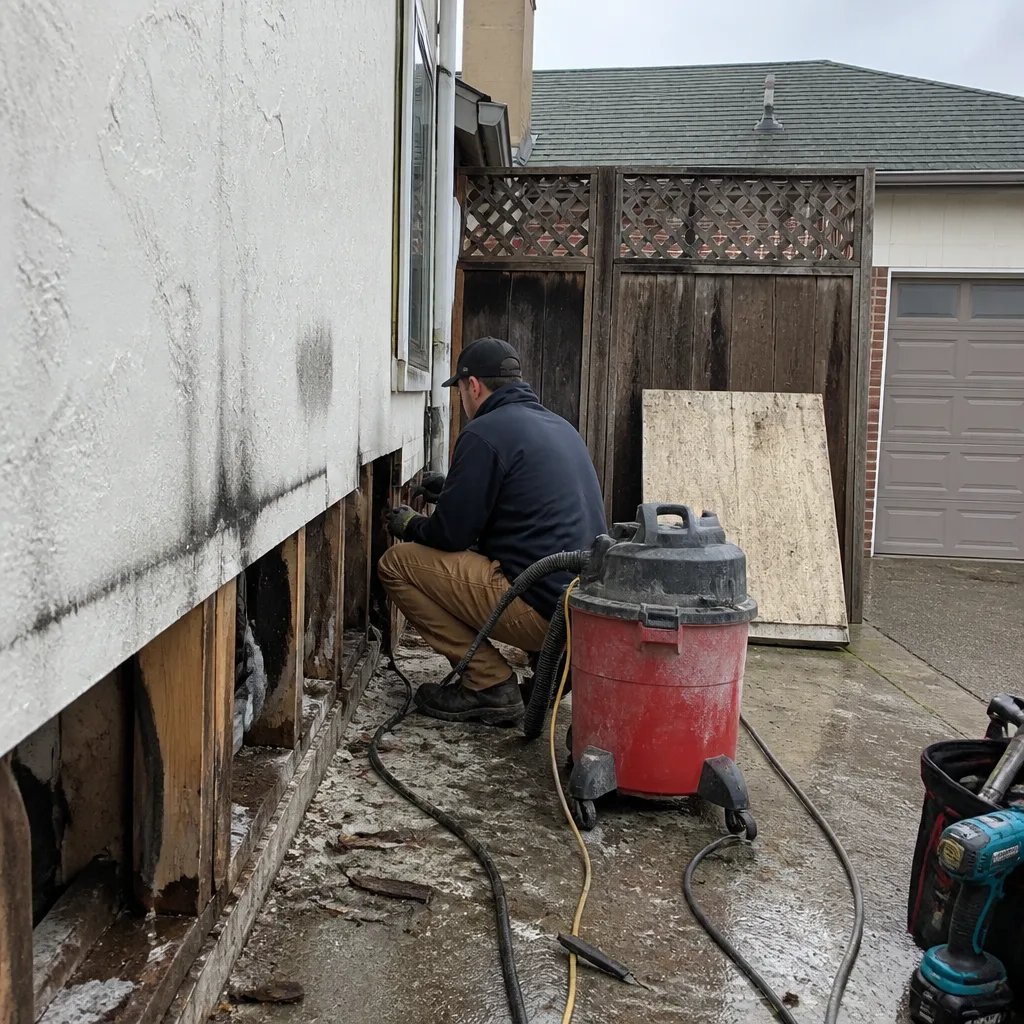 Before
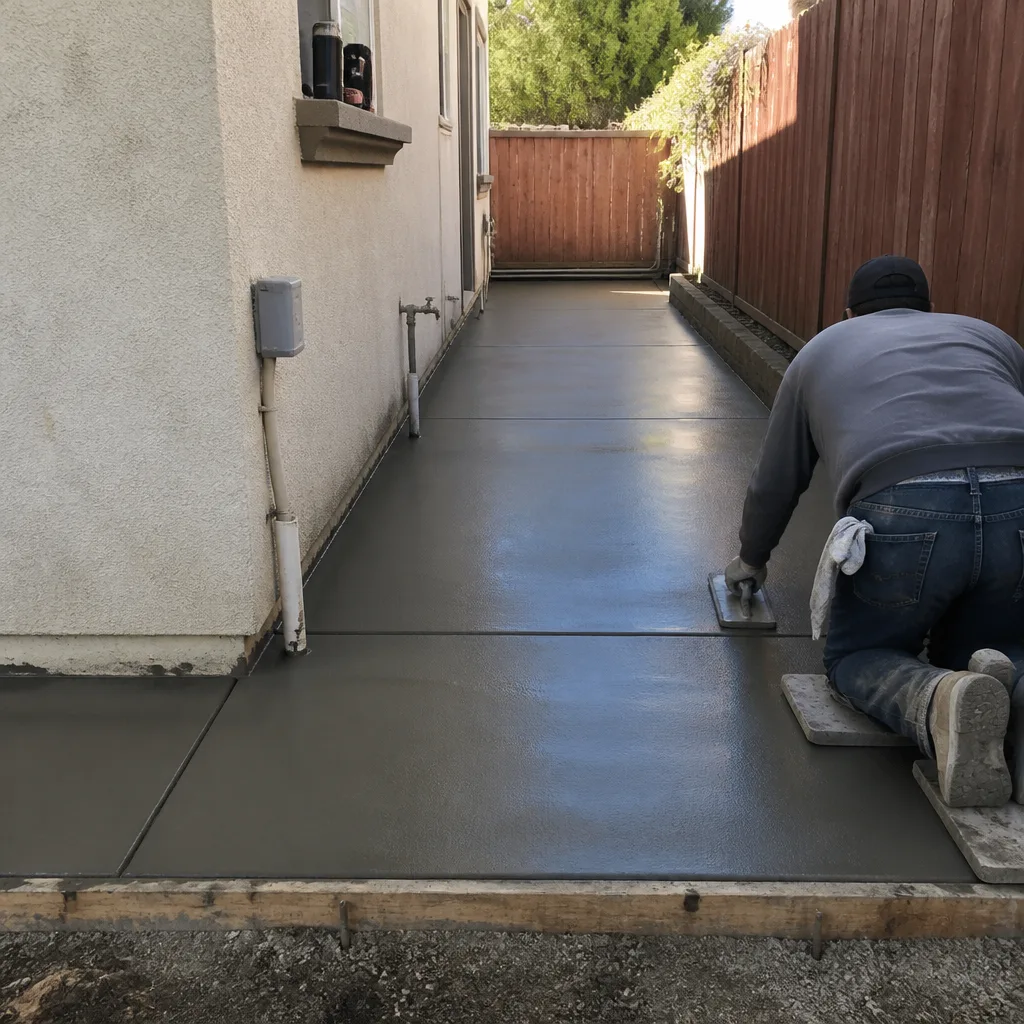 After
GAF Service Pricing in San Francisco
What you’ll pay depends on roof size, pitch, deck condition, and whether the job triggers historic review at DBI. Here are the ranges we’ve consistently seen across San Francisco:
| Service | Price Range |
|---|---|
| Roof Replacement | $9,440 – $23,600 |
| Roof Repair | $470 – $2,125 |
| Gutters & Accessories | $295 – $825 |
Steep pitches, limited street access on narrow Noe Valley or Russian Hill blocks, and deck repairs all push a job toward the top of those ranges. A full GAF replacement on a flat accessible roof with sound decking comes in lower. What drives repair cost: how much flashing needs replacement, whether decking is soft, and how many courses of shingles got compromised by trapped moisture. Call (833) 725-3508 for a line-item written estimate. We measure, we document what we find, and we stand behind the number.
Serving San Francisco, CA — Our Local Coverage Area
We’re a General Contractor in San Francisco and know this community well. Use the map below to see our service coverage — if you’re nearby, we can almost certainly help.
FAQs – GAF Construction in San Francisco
Can a GAF roof replacement in San Francisco be permitted like a normal re-roof? Yes, a standard re-roof pulls a standard building permit, but if your home is in a historic district or is a pre-1906 structure, the DBI may trigger additional architectural or historic review before we can proceed. We handle that paperwork and sequence the job so materials aren’t ordered until the permit path is clear. Call (833) 725-3508 and we’ll check your address against DBI’s historic resources before quoting.
Why does roof flashing corrode so fast on San Francisco homes? San Francisco’s marine fog carries salt and moisture that accelerates corrosion on exposed metal, especially on west-facing and hilltop exposures. Galvanized flashing that lasts 30 years in Sunnyvale might be pitted and failing in 15 years here. We use heavier-gauge flashing on coastal-facing slopes and replace old metal as part of any GAF repair rather than shingling over it.
Is a GAF Timberline roof a good fit for a steep San Francisco hillside home? Yes. Timberline HDZ and UHDZ architectural shingles have strong wind-uplift ratings and seal-down strips that hold up on steep slopes, which is exactly what Noe Valley, Russian Hill, and Glen Park houses need. We install them with enhanced ridge and hip fastening patterns where the exposure calls for it. On the flatter rear additions, we switch to GAF Liberty or EverGuard TPO rather than forcing shingles onto low-slope geometry.
Should we repair or replace a failing low-slope addition membrane? Repair if the membrane is mostly sound with a localized blister or seam failure. Replace if the membrane has multiple blisters, ponding that doesn’t drain, or the underlying deck feels soft. San Francisco’s winter rains will find every weakness in a tired GAF Liberty or TPO membrane, and patching one that’s structurally worn just kicks the problem into the next rainy season. Call (833) 725-3508 and we’ll give you a straight answer after inspecting what’s actually up there.
Do winter rains really affect GAF roof scheduling in San Francisco? They do. We plan tear-offs and underlayment work around the wet season because you can’t install GAF underlayment on a wet deck and expect it to seal. Most San Francisco roof replacement work schedules best between late spring and early fall, though repairs and emergency work continue through winter. The fog that defines GAF in Visitacion Valley and San Francisco summers is actually less of a scheduling problem than rain, since it doesn’t prevent proper adhesion the way a wet deck does. Call (833) 725-3508 to get on the schedule.
Service Areas Near San Francisco
While this page covers San Francisco ZIP codes 94127 through 94130, Brookside also serves the broader Bay Area. If you’re in GAF service in Chinatown, we’re familiar with the dense commercial-residential mixes there and the access constraints that come with it. Across the water, GAF service in Tiburon covers Marin County hillside homes with similar marine exposure. We also work regularly in Morgan Hill, San Martin, Gilroy, Corralitos, Interlaken, and Day Valley.
Book Your GAF Service in San Francisco Today
If your GAF roof is showing its age, leaking, or just looks like the fog’s been working on it, call (833) 725-3508 for a free estimate. We’ll measure, document what we find, and give you a line-item quote that holds. Do it once, do it right, everything else is just a future repair bill.
Written by Nate Burrell, Owner & General Contractor at Brookside Contractors, serving San Francisco and the greater Bay Area.