
Last updated October 30, 2026
 Home additions & ADU
 Kitchen remodeling
 Bathroom remodeling
 Roofing
 Windows & doors
 Driveway & pavers
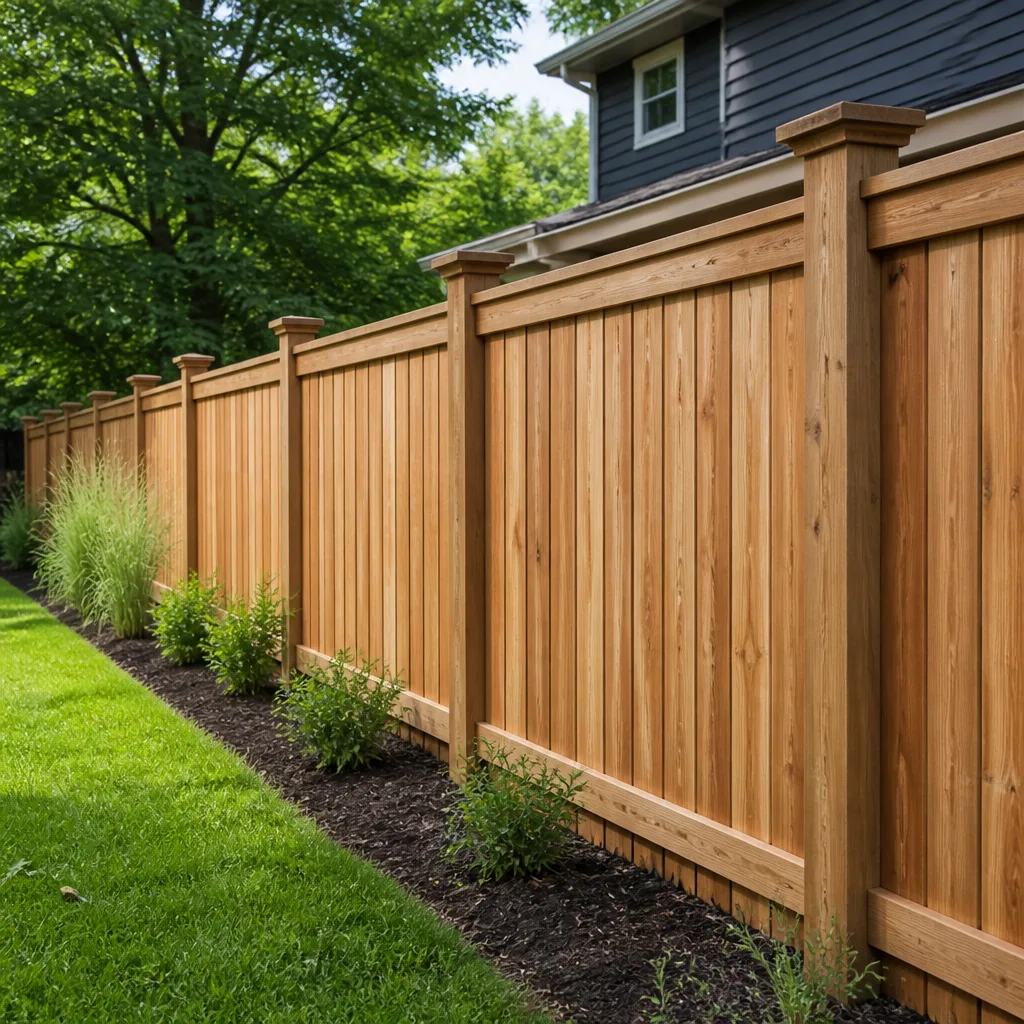 Fence
Free written scope consultation - allowances, timeline, and change-order rules on paper before a single trade is scheduled
DIY vs Professional Construction: The Morgan Hill Homeowner’s Decision Guide
The Morgan Hill homeowner who tiled their own backsplash beautifully and the one who wired their own subpanel both thought they were making the same kind of decision. They weren’t. The first mistake costs a few tiles and a Saturday afternoon. The second can cost a house, a life, or a failed inspection that freezes a sale for months. The difference isn’t skill. It’s consequence. This guide walks through the framework most DIY-versus-pro articles skip entirely: which Morgan Hill projects carry a low cost of failure, which carry a high one, and how to tell the difference before you pick up a tool or sign a contract. For how to hire a construction contractor in Morgan Hill: a step-by-step guide, see our companion resource.
Quick Answer
For most Morgan Hill homeowners, the right split is this: DIY the cosmetic, low-consequence projects where a mistake is cheap to undo, and hire a licensed professional for anything structural, load-bearing, permitted, water-tight, or tied to your electrical panel and gas lines. The decision should be driven by risk and reversibility, not confidence. A homeowner in Morgan Hill legally can pull an owner-builder permit for much of their own work, but that doesn’t mean the work will be safe, insurable, or acceptable to a future buyer’s inspector.
Styles & brands we work with
Table of Contents
- The Risk-and-Reversibility Framework: How to Actually Decide
- Morgan Hill Permit Reality: Owner-Builder vs Licensed Contractor
- The Morgan Hill Project Matrix: Low, Medium, and High Consequence
- The Hidden Costs That Close the DIY Savings Gap
- Three DIY Projects That Create Expensive Future Headaches
- How to Participate in a Professional Project Without Taking on Liability
- Common Mistakes to Avoid
- When to Call a Professional
The Risk-and-Reversibility Framework: How to Actually Decide
Most advice frames the DIY-versus-pro question around one axis: “Do I have the skills?” That’s the wrong first filter. The right first filter is consequence. Every construction project has a cost of failure. A bad paint job costs $400 in paint and another weekend. A bad roof flashing detail costs $15,000 in interior water damage and mold remediation that might not show up for two rainy seasons. The second filter is reversibility. Can you undo this without tearing out something bigger? A poorly installed backsplash is reversible. A poorly installed shower pan that leaks into the subfloor is not. Morgan Hill’s climate makes this especially relevant: our hot, dry summers bake materials, and our wet winters expose every compromised seam, joint, and penetration. A DIY mistake might survive unnoticed from May through October and then announce itself during a December atmospheric river.
Here’s the framework in practical terms:
- What is the worst realistic outcome? Write it down. Not “I’d be embarrassed” – an actual dollar figure or safety scenario.
- What does it cost to reverse? If the answer is “tear it out and start over,” treat the risk like a professional project.
- Is there a permit or inspection requirement? In Morgan Hill, if the answer is yes, the city is a stakeholder in your work quality.
- Does this failure put water, fire, or gravity in play? Water runs downhill. Fire spreads. Gravity doesn’t negotiate.
- Would a home inspector flag this in a future sale? In Santa Clara County’s seller-disclosure environment, most would.
We’ve walked through dozens of Morgan Hill homes where this framework would have saved someone $10,000. The homeowners who did their own drywall and painted it beautifully never called us. The ones who did their own window flashing did.
Morgan Hill Permit Reality: Owner-Builder vs Licensed Contractor
Here’s what many Morgan Hill homeowners don’t realize: you are legally allowed to act as your own general contractor on your own primary residence under California owner-builder law. If you’re considering this path, our General Contractor Maintenance Checklist for Morgan Hill Homeowners can help you understand what responsible oversight looks like. You can pull permits, hire subcontractors, and manage the project yourself. You also become legally responsible for everything a licensed contractor would normally be responsible for: worker injuries on your property, code compliance, permit finalization, and disclosing owner-builder work when you sell. That last one matters more than most people think. In California, unpermitted or owner-built work must be disclosed in a real estate transaction, and in Morgan Hill’s competitive housing market, smart buyers and their agents use that as a negotiation point.
Morgan Hill’s building department reviews and inspects owner-builder work the same way it reviews contractor work. The code doesn’t get easier because you did it yourself. What changes is who carries the liability and who has standing with manufacturers. James Hardie siding, for example, carries a product warranty that requires installation per the manufacturer’s published specifications. If you self-install and get a detail wrong, the warranty is void. A licensed contractor who installs it wrong has to fix it. You have to absorb it.
A good rule: if the project requires a permit and involves structural, electrical, plumbing, or roofing work, the permit is the city saying “this is consequential enough that we want to inspect it.” That’s your cue to think hard about who’s doing it. The General Contractor in Los Gatos work we handle spans the same code environment, and the inspection points don’t change between zip codes.
The Morgan Hill Project Matrix: Low, Medium, and High Consequence
Here’s the matrix we promised. It organizes common Morgan Hill home projects by consequence of failure, permit requirement, and reversibility. Use it as a filter before you watch a single YouTube tutorial.
Low Consequence: DIY-Reasonable Projects
- Interior painting – Reversible in a weekend. Worst case: you hire a pro to redo a room. $500 – $1,200 depending on size.
- Backsplash tile (non-wet areas behind ranges only) – A visual risk, not a structural one. Worst case: chisel it out and redo.
- Cabinet hardware replacement – Holes are hidden by the new hardware. Low risk. Satisfying win.
- Landscape mulching and planting – Biology forgives most amateur planting decisions within a season.
- Pressure washing driveway and walkways – With a rented unit. Damage risk: etching concrete with too much pressure. Keep the wand moving.
Medium Consequence: DIY Only if You Have Real Experience
- Interior door replacement – Getting a pre-hung door plumb and square matters more than it looks. A binding door is a daily annoyance.
- Laminate or LVP flooring – The material is forgiving. The subfloor prep is not. Morgan Hill slab homes need moisture testing before you lay anything.
- Fence panel replacement – If the posts are solid, swapping panels is straightforward. If posts are rotted, that’s a different conversation about post depth and concrete.
- Baseboard and crown molding – Coping inside corners takes practice. The waste factor from bad cuts is real.
- Kitchen faucet replacement – With push-connect fittings it’s simpler than it used to be. With soldered copper under a Morgan Hill home built before 1980, know your limits.
High Consequence: Hire a Professional. Period.
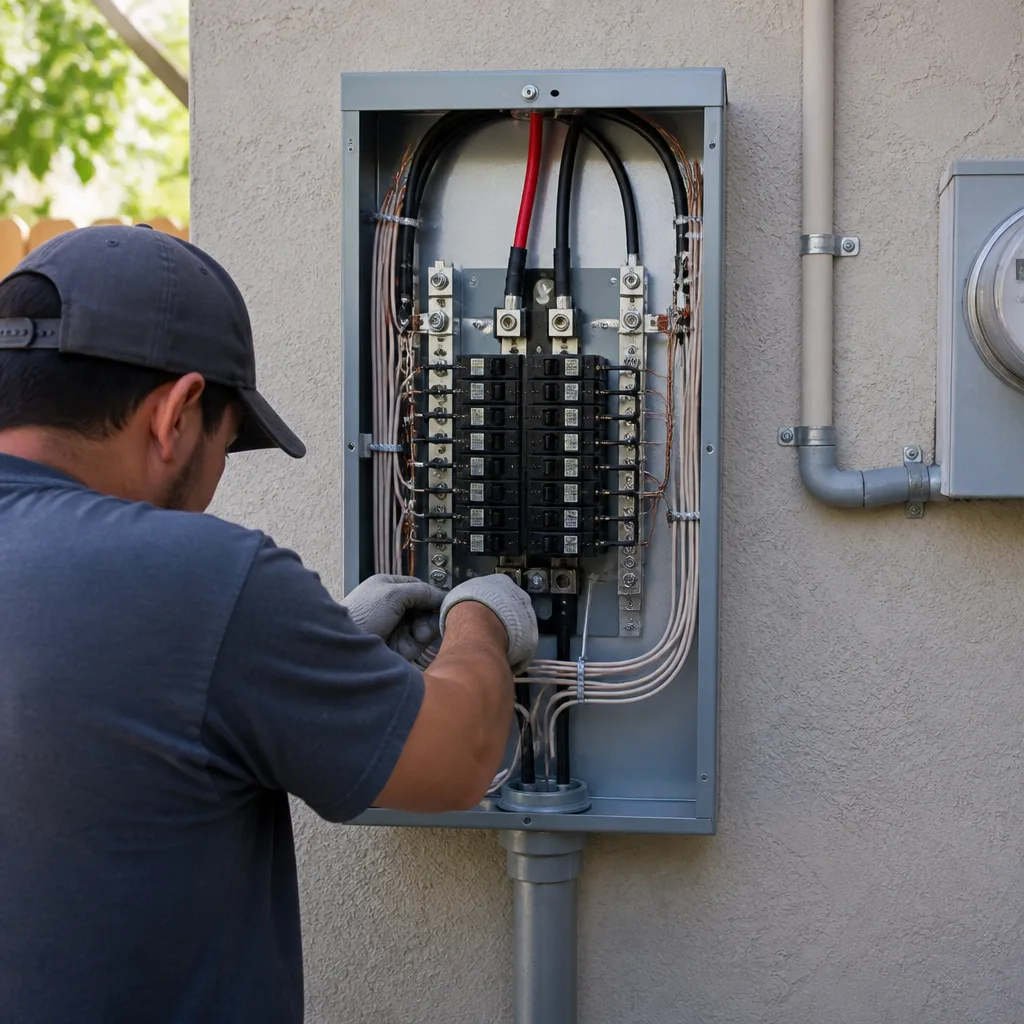
- Electrical panel replacement or upgrade – Live conductors, utility coordination, and an inspection. No homeowner should be inside a panel.
- Any roof work beyond a single shingle replacement – Morgan Hill’s winter wind events plus GAF or Owens Corning warranty requirements mean a DIY roof repair can void coverage on the whole roof.
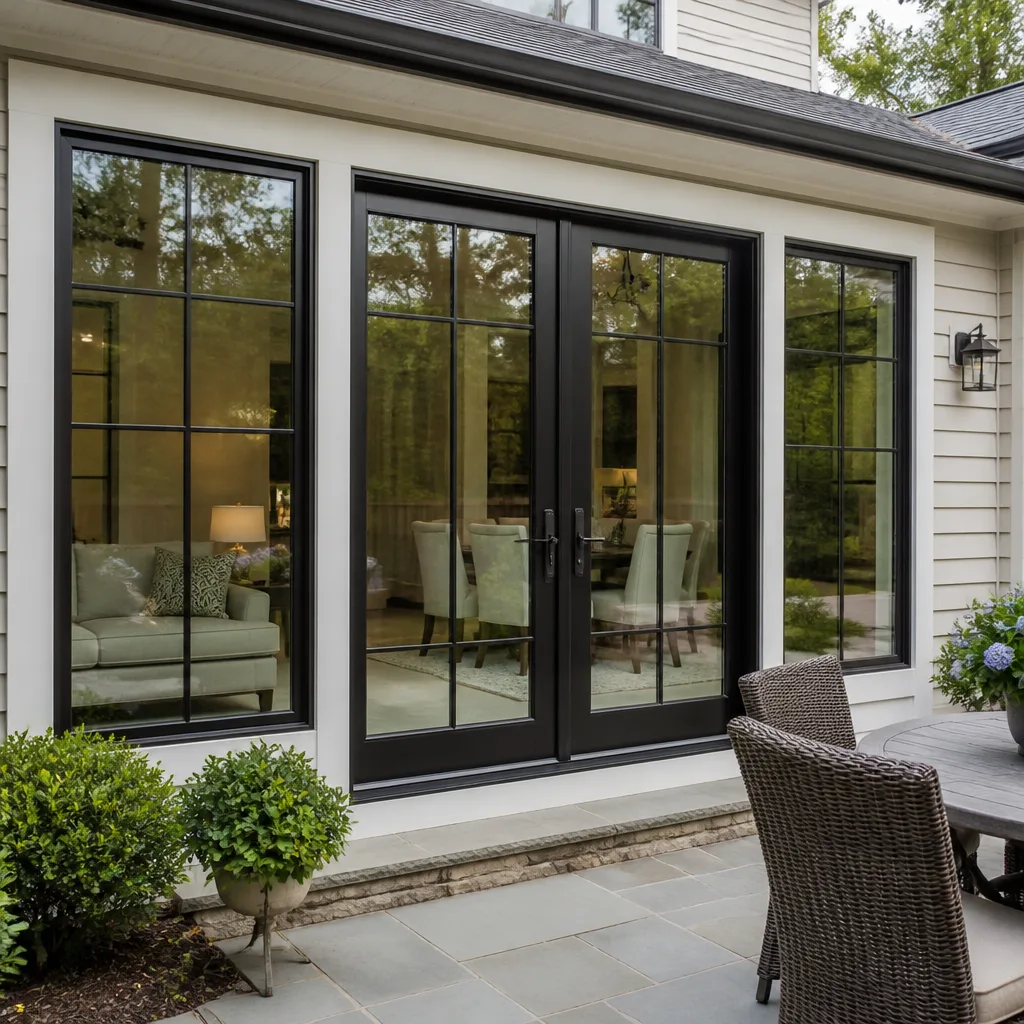
- Window replacement – Flashing is the whole game. A window that doesn’t leak for five years can rot the entire wall framing around it. Replacing the window is easy. Flashing it correctly isn’t.
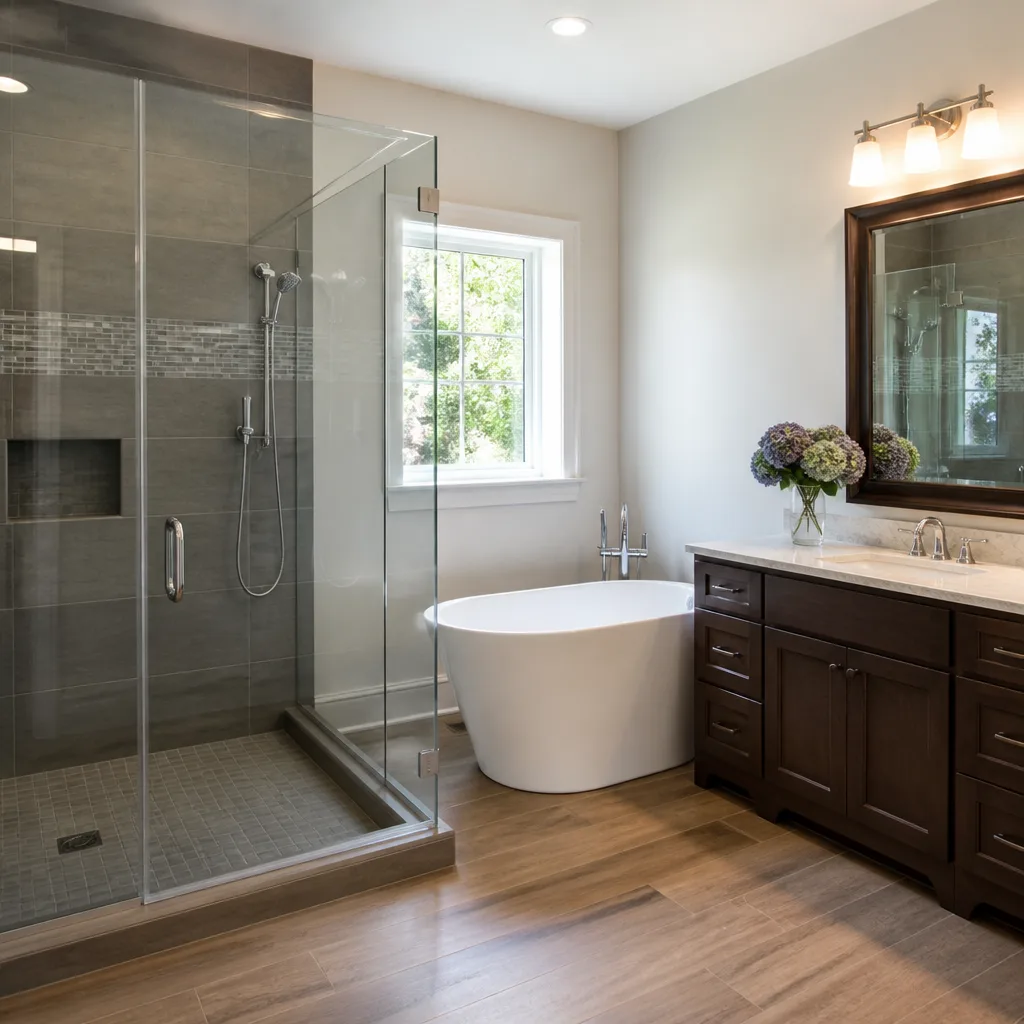
- Bathroom remodel involving a tiled shower – Waterproofing failures inside a shower wall show up as mold behind the tile months later. The tear-out cost dwarfs the original savings.
- Structural wall removal – Even non-load-bearing walls can have electrical, HVAC, or plumbing running through them. Load-bearing walls are a structural engineering question, not a demolition question.
- Gas line work – Gas leaks don’t give second chances. This is a licensed-plumber-only task, no exceptions.
The pattern here: the low-consequence list is cosmetic and reversible. The high-consequence list is structural, water-tight, or tied to utilities. In our experience across Santa Clara County, the most common DIY disaster we’re called to fix is a bathroom that was remodeled without a proper waterproofing system. The second is window flashing. Both are water problems, and Morgan Hill’s wet winters expose every one of them.
The Hidden Costs That Close the DIY Savings Gap
The headline math on DIY usually looks like this: “Contractor quote: $4,000. Materials at the big box store: $1,100. I saved $2,900!” The real math is different. Here are the costs that most DIY planning omits:
- Tool acquisition – A quality tile saw is $300 – $600 to buy or $50 – $80 a day to rent. A wet saw, snap cutter, leveling system, mixing paddle, and grout float add up fast. Specialty tools for one project have a real cost even when rented.
- Material waste from inexperience – Pros order 10 – 15% overage on tile and know how to lay out cuts to minimize waste. First-timers routinely hit 20 – 30% waste, especially on diagonal layouts or around obstructions.
- Do-over materials – When the first attempt fails, you’re buying the materials twice. A $600 line item becomes $1,200, plus your time.
- Water or structural damage from delayed discovery – A pro catches a rotten subfloor under old vinyl before laying new flooring. A DIYer discovers it mid-project when the flooring is already purchased and the weekend timeline is shot.
- Code correction costs – If a homeowner does unpermitted work and the city finds out (usually through a neighbor complaint or a resale inspection), the penalty can include tearing out finished work to expose the rough-in for inspection.
- Time – This is the one almost everyone undervalues. A contractor’s crew does in a week what a solo homeowner does in two months of weekends. If you value your weekends at even $30 an hour, the math changes quickly.
Now apply this to a real Morgan Hill scenario. A homeowner wants to remodel a guest bathroom. Contractor bid: $14,000. DIY materials: $4,500. After tool rental ($600), waste and re-dos ($900), replacing the vanity they chipped during demo ($800), adding proper waterproofing membrane they didn’t know they needed ($400), and four weekends of labor at $30 an hour ($1,920), the “savings” is around $4,900. For that $4,900 they got no warranty, no permit, no inspection, and a water-tightness risk that a future buyer’s inspector will scrutinize. Some Morgan Hill homeowners look at that math and see savings. Others see a $4,900 insurance policy they’re self-underwriting.
If a full Home Remodeling in Los Gatos or Morgan Hill is in your future, the same hidden-cost math applies at every line item. A single-coordinated professional scope beats a patchwork of DIY phases.
Three DIY Projects That Create Expensive Future Headaches
Some DIY projects don’t just fail. They actively create work for a professional later. These three are the ones we see most often in Morgan Hill homes sold between 2020 and 2025.
1. DIY Shower Pan and Tile Work
A homeowner tears out a fiberglass shower surround, builds their own pan with a membrane kit, and tiles over it. Eighteen months later, grout cracks at the curb. Water gets behind the tile. Mold grows in the wall cavity. By the time it’s visible, the framing is compromised. Remediation in Santa Clara County: demo the shower to studs ($1,500 – $2,500), treat or replace framing ($800 – $2,500), rebuild the waterproofing system ($2,000 – $3,500), retile ($3,000 – $6,000). Total: $7,300 – $14,500. The original DIY “savings” was maybe $4,000. Net loss: $3,300 – $10,500, plus a bathroom that’s out of service for two to three weeks.
2. DIY Window Replacement with Improper Flashing
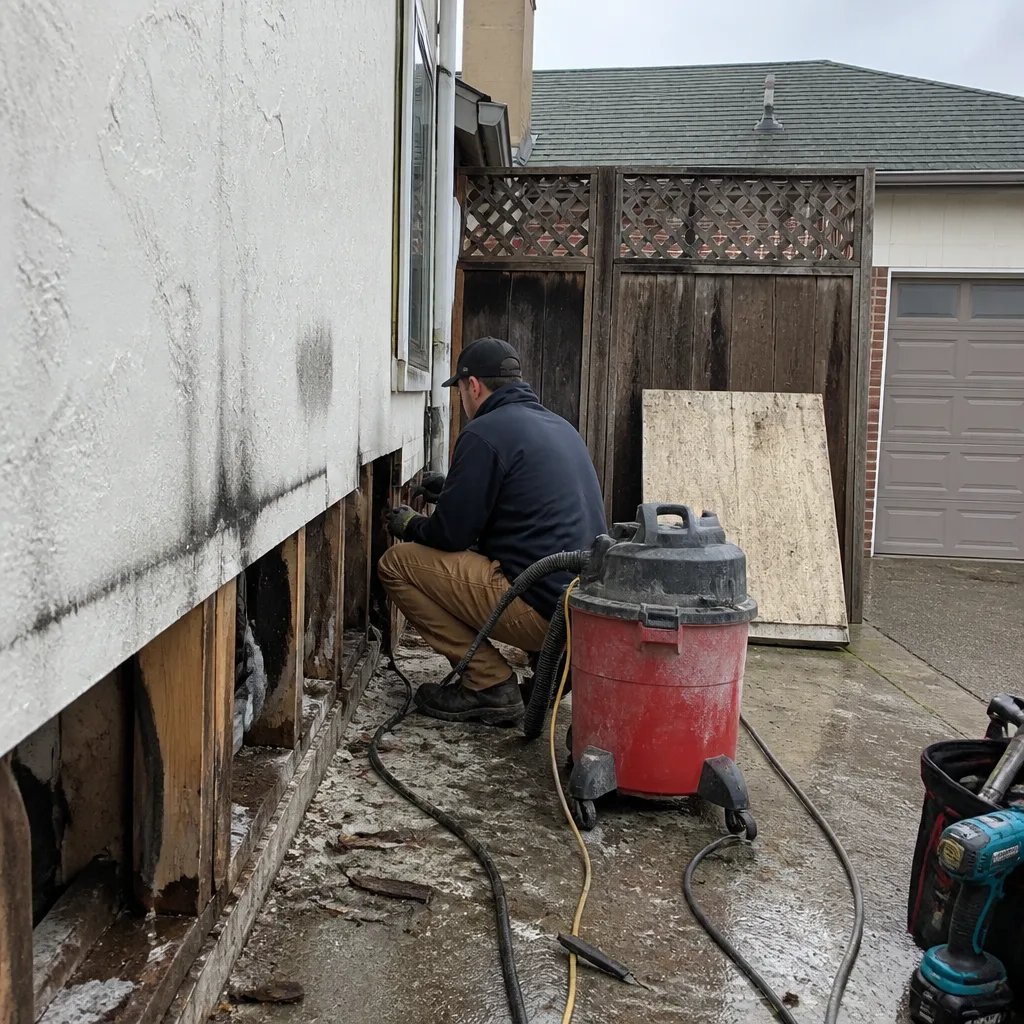
Windows look like one of the most approachable replacement projects. They’re not. The critical work is the flashing sequence at the bottom, sides, and top of the rough opening. Get it backward and water runs behind the siding, not away from it. You won’t see the problem until the wall framing around the window is soft. Remediation: remove the window, open the wall, replace rotted studs and sheathing, re-flash, reinstall, patch siding, repaint. Common range in the Morgan Hill area: $4,000 – $12,000 per window depending on how far the rot traveled.
3. DIY Structural “Small Change” Like Cutting a Ceiling Joist or Notching a Beam
Sometimes it’s a homeowner cutting into a framing member to run a vent pipe. Sometimes it’s opening a wall and not recognizing a structural shear panel. Sometimes it’s adding a heavy rooftop deck without an engineer’s review. Morgan Hill’s seismic zone (we’re close enough to the Calaveras and San Andreas faults that the city enforces strict shear requirements) makes this category particularly consequential. Remediation: engineer’s evaluation ($1,200 – $2,500), structural repair drawing ($1,500 – $3,000), framing correction ($3,000 – $12,000), permit and inspection ($800 – $1,800). Total commonly exceeds $10,000.
These aren’t rare edge cases. These are what Home Renovation in Los Gatos and Morgan Hill professionals are called in to fix after a DIY attempt. The pattern is always the same: the DIYer couldn’t see what they didn’t know.
How to Participate in a Professional Project Without Taking on Liability
Hiring a pro doesn’t mean you’re locked out of the work. There’s a meaningful middle path: you handle the low-consequence, reversible labor, and the contractor handles the high-consequence, permitted, structural scope. This cooperation cuts cost without cutting accountability. Here’s the etiquette and the practical breakdown.
Which Labor You Can Safely Take On
- Demolition in non-structural areas – Pulling old flooring, removing cabinet doors and drawers, taking down drywall where there’s no wire or pipe behind it. Coordinate with the contractor so they don’t arrive to a torn-out mess that hid useful info.
- Painting after the pro’s surface prep is done – Your brushed-on paint can’t undermine their structural work. Painting is the most reversible work in a renovation.
- General site cleanup – Daily debris hauling, sweeping, protecting the work zone with plastic. This saves hours of labor cost and keeps the project moving.
- Landscape and site prep alongside exterior work – Trimming access paths, moving planters, clearing the side yard before a roof or siding crew arrives.
- Selecting and sourcing materials within the pro’s spec – This may matter most. You choose the KraftMaid cabinet line, the Kohler fixtures, the James Hardie siding profile. The contractor supplies and installs them correctly. This is where you control cost and aesthetics without touching a liability.
What to Keep in Mind
- Agree on the split before the contract is signed. Some contractors price around doing everything themselves. Brookside-style full-scope contractors can scope homeowner labor in from the start.
- Never take on permitted work under the pro’s license. It’s illegal, and it voids the contractor’s responsibility for that portion of the project.
- Your labor isn’t free. Value it fairly and compare it to what the contractor would charge. Sometimes the pro’s labor cost is low enough that the coordination isn’t worth it.
This approach works because it respects the same risk-and-reversibility framework from the top of this guide. You take the reversible roles. The licensed team takes the irreversible ones.
Common Mistakes to Avoid
- Confusing confidence with competence. Watching a 20-minute video doesn’t equal trade experience. Confidence is the single most dangerous tool in a homeowner’s kit.
- Ignoring the permit trigger. In Morgan Hill, structural, electrical, plumbing, and roofing work trigger permit requirements. Skipping the permit saves a few hundred dollars now and costs much more at resale.
- Waterproofing as an afterthought. The visible tile work is the easy part. The waterproofing membrane underneath is the part that matters. DIYers routinely skip or botch it.
- Choosing materials without checking installation requirements. Many premium materials carry warranty language that requires licensed installation. You’ll void the warranty without realizing it.
- Underestimating Morgan Hill’s wet-season exposure. The project that survives summer dry heat has to survive winter wind-driven rain. Test your work before November.
- Not disclosing owner-builder work at sale. Failing to disclose creates legal exposure in California real estate transactions. Disclose it and expect a price negotiation from it.
- Starting before you understand the full scope. The project is never just what you see. Behind every wall is wire, pipe, framing, and insulation. Open it before you know what’s back there and the cost estimate is fiction.
When to Call a Professional
Call a licensed contractor when the project touches structure, water tightness, gas, or the electrical panel. Call when a permit is required and an inspection will determine whether the work is legal. Call when the cost of failure exceeds the cost of hiring a pro, and when the work would void a manufacturer’s warranty if done wrong. Call when you’re planning to sell within five years and want the work to pass a buyer’s inspection without comment. Brookside Contractors offers free estimates in Morgan Hill – call (833) 725-3508 to talk through your project and which parts make sense for your own hands.
See the difference
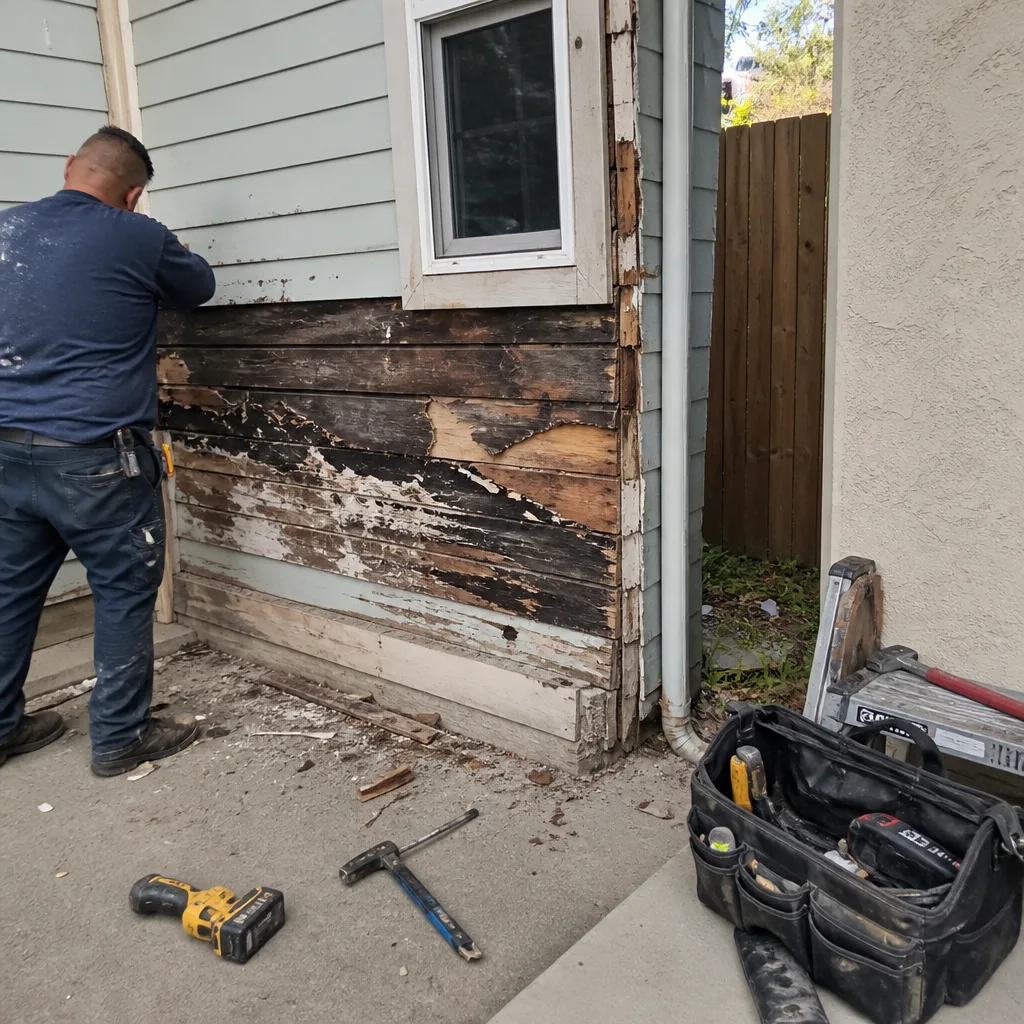 Before
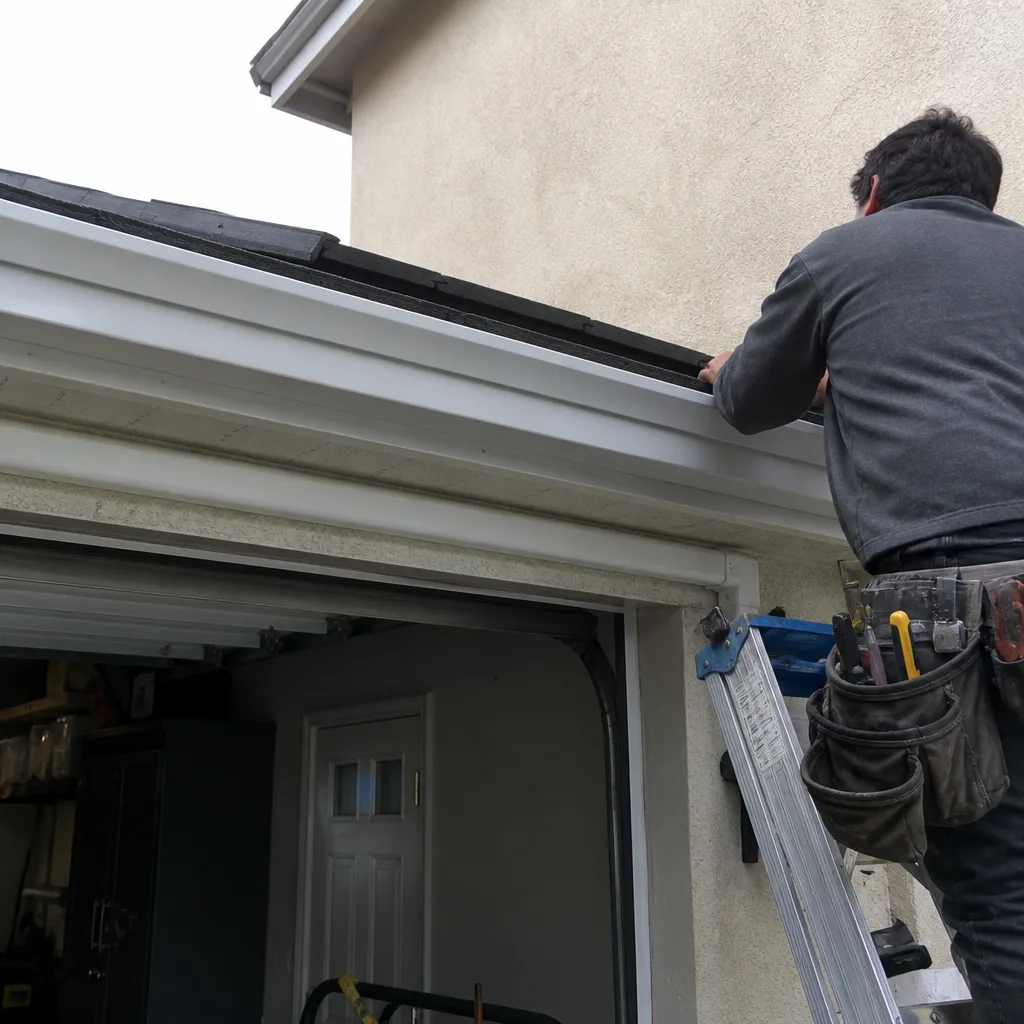 After
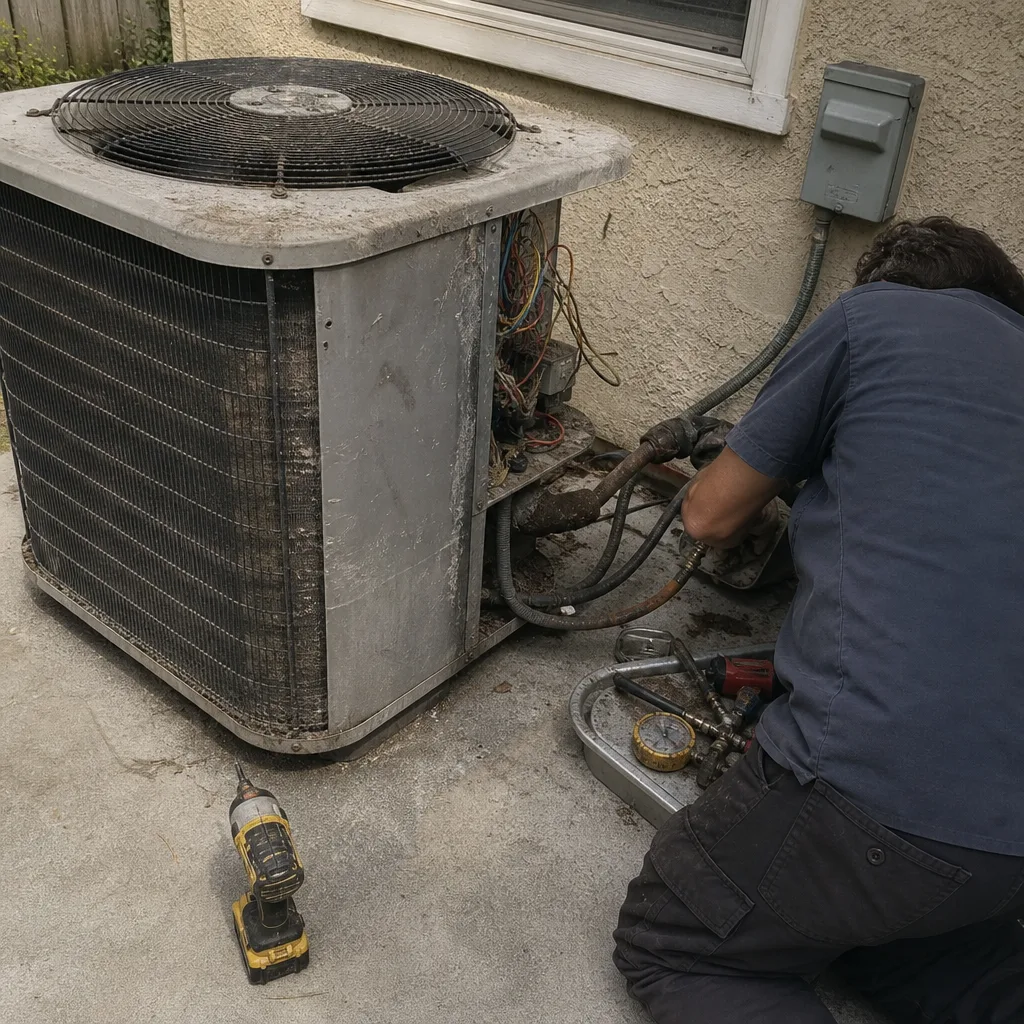 Before
 After
 Before
 After
Frequently Asked Questions
Yes, under California owner-builder law you can act as your own contractor on your primary residence, including pulling permits. But you assume full legal and financial liability for code compliance, worker injuries, and future resale disclosures, and Morgan Hill’s building department reviews your work to the same standard as licensed work.
Never DIY electrical panel work, gas line connections, roof repairs beyond a single shingle, structural wall removal, or anything involving a tiled shower waterproofing system. The failure modes in these categories are fire, leaks, mold, or collapse, and the remediation cost regularly exceeds five figures in Santa Clara County.
On cosmetic projects like painting and hardware replacement, you can save most of the labor cost with minimal risk. On permitted or water-tight projects, the hidden costs of tools, waste, do-overs, and potential damage make the real savings far smaller than the headline quote minus materials math, and occasionally negative.
Yes. California law requires disclosure of unpermitted work, and Morgan Hill buyers in the current market use that disclosure to renegotiate price, demand inspection repairs, or require retroactive permits before closing. Unpermitted electrical, plumbing, and structural work draws the most scrutiny from buyer’s inspectors.
You can, and it’s often the smartest arrangement. Homeowners can handle demo, painting, cleanup, and material selection while the licensed contractor handles structural, water-tight, and permitted scope. Get the split agreed in writing before work starts.
Yes. We scope homeowner labor in from the beginning when it fits the project, and we’re clear about which phases stay under our license and liability. Call (833) 725-3508 to discuss which parts of your Morgan Hill project make sense for your hands.
The Bottom Line
The DIY-versus-pro decision in Morgan Hill isn’t a test of your skill. It’s a test of your risk tolerance and your reversibility arithmetic. Low-consequence, cosmetic, reversible work is the homeowner’s win: paint, hardware, landscape, even backsplash tile. High-consequence work is the professional’s territory: structural, water-tight, electrified, gas-fed, permitted. When you misclassify a project, the bill arrives later and bigger. Match the work to the consequence, use a licensed contractor where the downside exceeds the upside, and your renovation will come in on budget and resale-ready. For help deciding where your project falls, visit Brookside Contractors home or call (833) 725-3508 for a free estimate.
Written by the team at Brookside Contractors, serving Morgan Hill since 2011.