
Last updated October 30, 2026
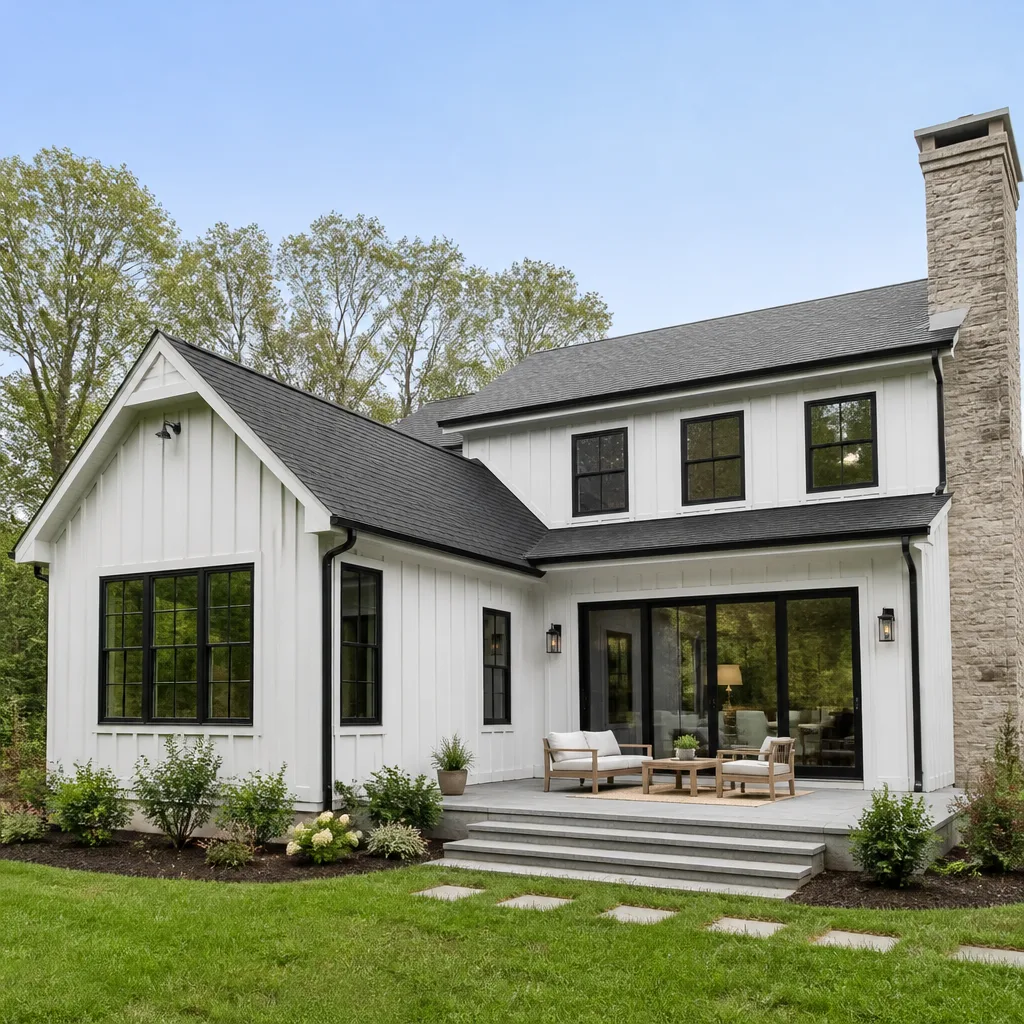 Home additions & ADU
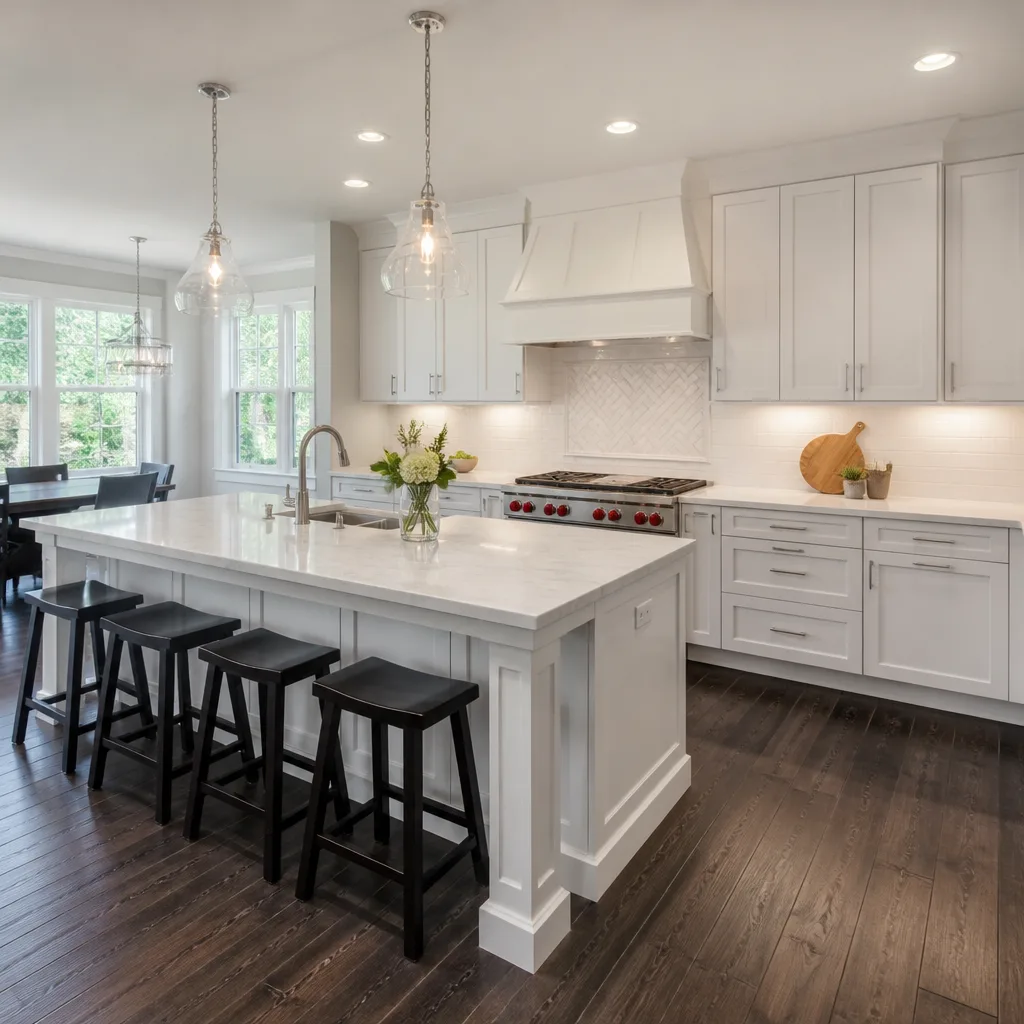 Kitchen remodeling
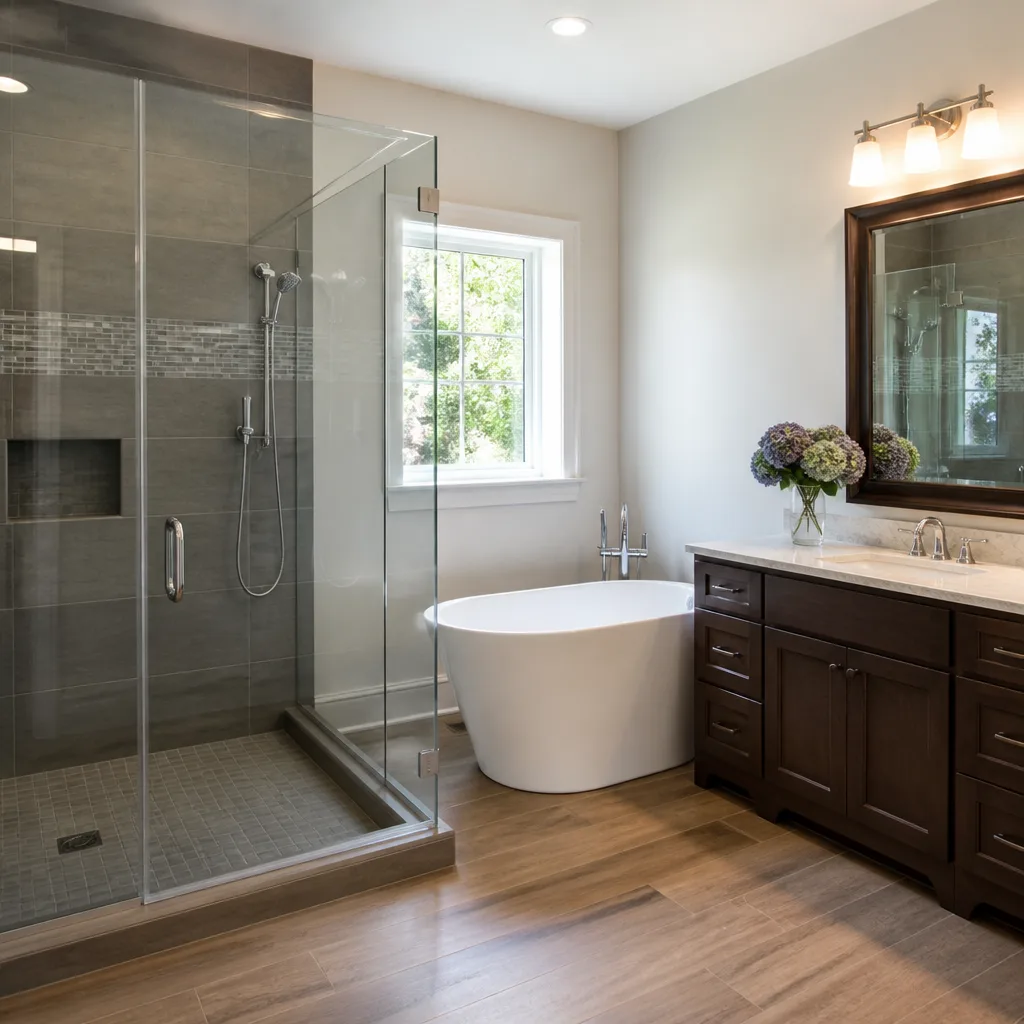 Bathroom remodeling
 Roofing
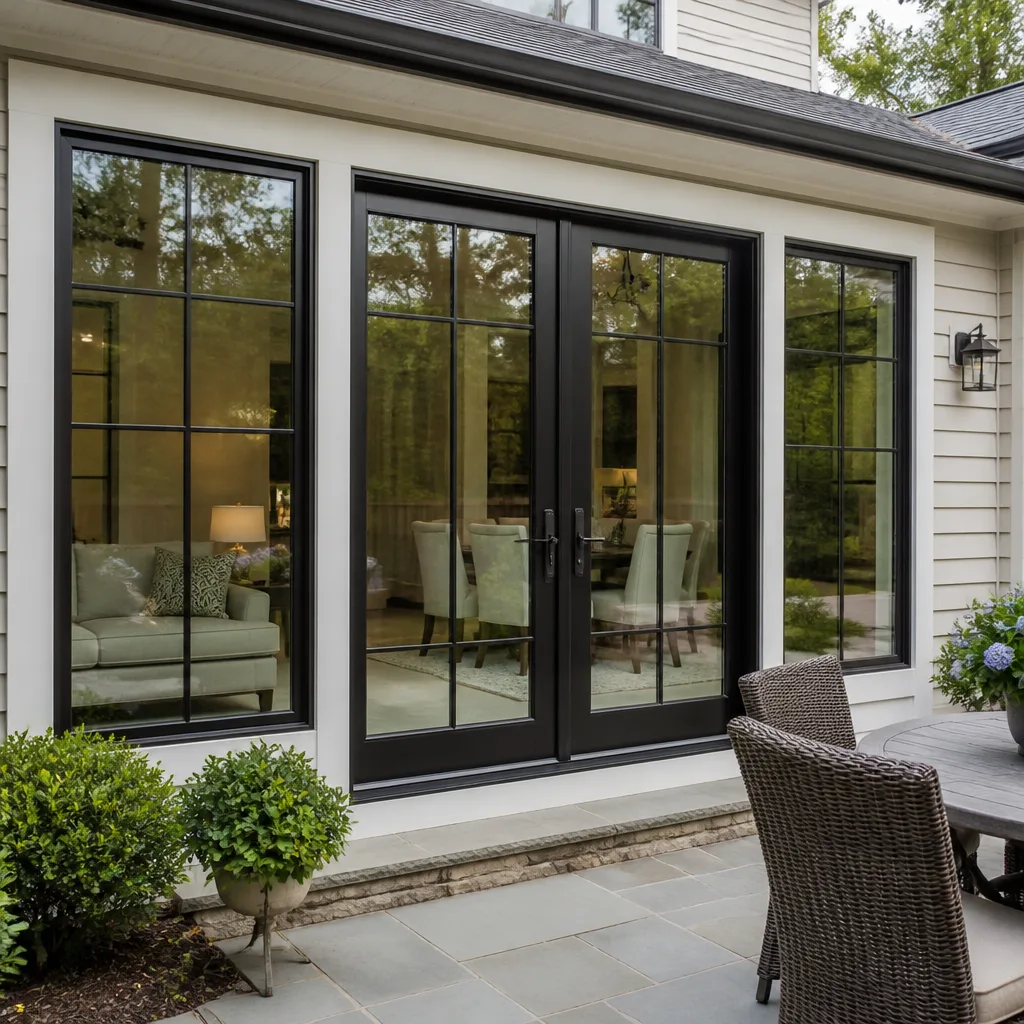 Windows & doors
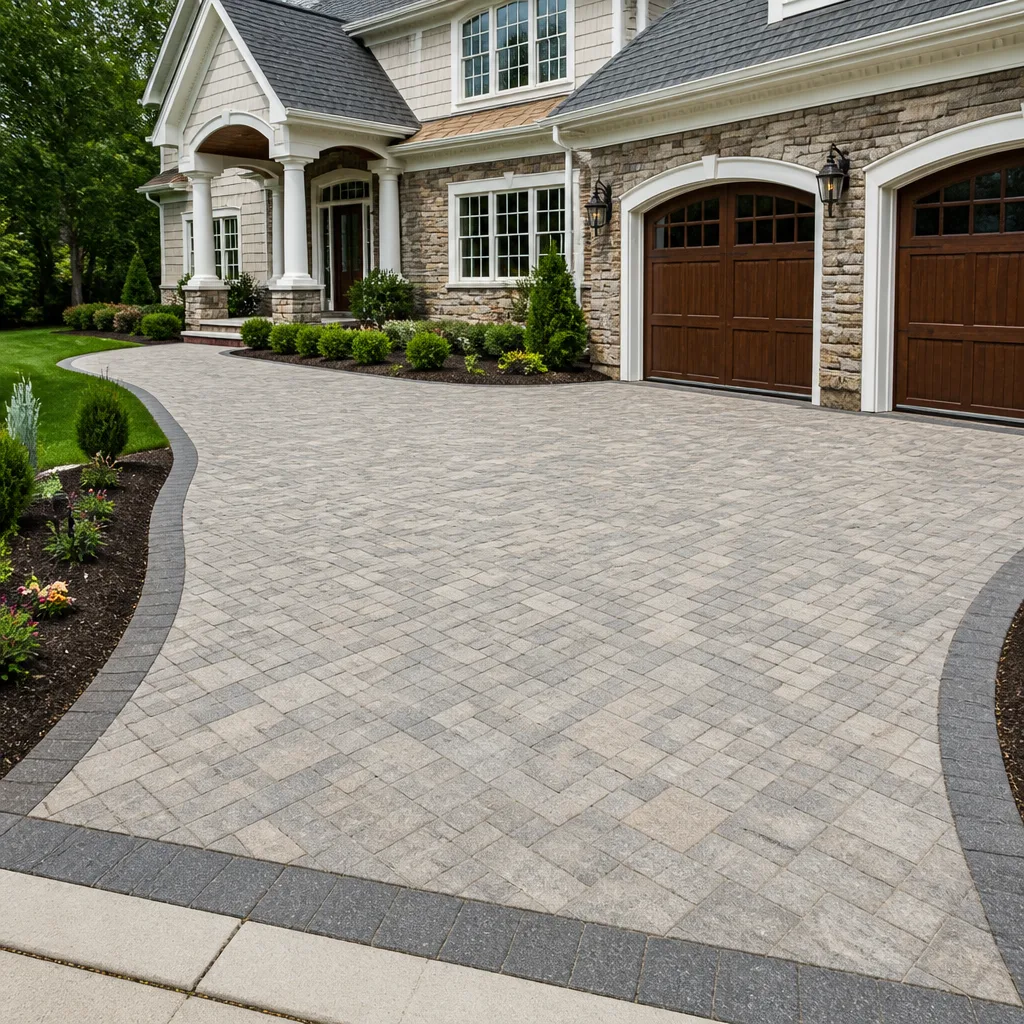 Driveway & pavers
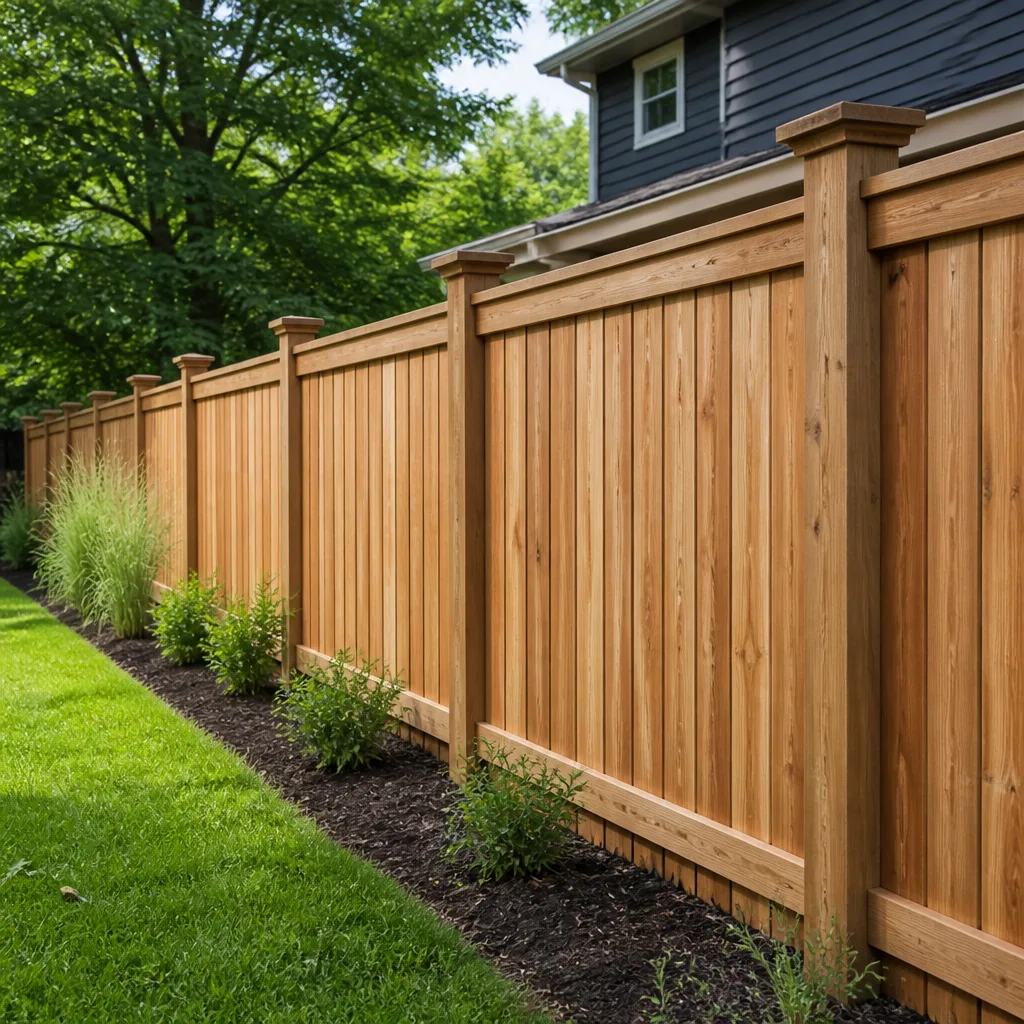 Fence
Free written scope consultation - allowances, timeline, and change-order rules on paper before a single trade is scheduled
The Complete General Contractor Guide for Morgan Hill Homeowners
Most homeowners don’t realize that Santa Clara County’s permit backlog can add six to ten weeks to a Morgan Hill project timeline before a single nail is driven. That delay separates a General Contractor who plans for it from those who promise dates they can’t keep. This guide is built for Morgan Hill specifically: hillside lots, older ranch-style homes, HOA-governed developments, and a subcontractor market that behaves differently than San Jose or Gilroy. You’ll learn how to vet a GC, scope a project realistically, navigate county permits and HOA review, and spot the red flags unique to the South Bay market.
Quick Answer
A general contractor in Morgan Hill CA manages your entire renovation or build: permits, trades, materials, scheduling, and inspections, under one license and one point of contact. The right GC for Morgan Hill is one who understands Santa Clara County’s permit cadence, hillside soil conditions, and HOA architectural review requirements in developments like Madrone and East Main. Hiring a full-scope contractor who coordinates every phase eliminates the coordination chaos that burns homeowners who try to run multiple specialty trades themselves.
Styles & brands we work with
Table of Contents
- How Santa Clara County Permits Actually Work for Morgan Hill Projects
- Hillside Lots and Expansive Soil: What Your GC Must Know
- HOA Architectural Review in Morgan Hill: The Pre-Permit Layer
- Reading a GC’s Subcontractor Bench: Who’s Actually Local
- How to Vet a General Contractor in Morgan Hill
- Scoping Your Project: What to Ask Before Signing
- What Renovation Projects Cost in Morgan Hill Right Now
- Common Mistakes to Avoid
- When to Call a Professional
- Frequently Asked Questions
How Santa Clara County Permits Actually Work for Morgan Hill Projects
Morgan Hill pulls building permits through Santa Clara County’s planning and building department, and the process is slower than most homeowners expect. As of 2025, a straightforward interior remodel permit can take four to eight weeks for over-the-counter review, while projects requiring planning review, such as additions that change your roofline or setbacks, can stretch to ten to fourteen weeks. That timeline starts only after your plans are submitted correctly, and resubmittals add another two to three weeks per cycle.
What separates an experienced Morgan Hill GC from a newcomer is whether they front-load this wait time into the schedule or pretend it doesn’t exist. We’ve watched homeowners hire a contractor who promised a kitchen demo date six weeks out, only to discover the permit hadn’t even been submitted. A reliable GC will tell you the permit timeline at the first meeting for home renovation work, and will build it into the project calendar before demo day is ever discussed.
Key questions to ask any GC about Morgan Hill permits:
- Which of your projects required planning review versus a straight building permit, and how did you handle the timeline?
- Who on your team handles permit submittal and resubmittal? Is it in-house or outsourced?
- Can you show me a recent Morgan Hill permit approval with dates so I can see actual turnaround times?
- What happens to my schedule if the county issues a correction letter?
County inspectors in Morgan Hill are thorough and consistent, but their availability for field inspections can add another one to two weeks between phases. A GC who has built in Morgan Hill recently knows which inspections tend to get scheduled fastest and which ones create bottlenecks, and they plan accordingly.
Hillside Lots and Expansive Soil: What Your GC Must Know
Morgan Hill’s western and eastern edges climb into hills where soil conditions change project math quickly. Expansive clay soils, the kind that swell when wet and shrink when dry, are common on hillside lots in areas like Jackson Oaks and Paradise Valley. That movement stresses foundations, cracks slabs, and can make a simple addition or outdoor living project structurally more complicated than the same job on flat valley floor land.
Any GC bidding structural work in Morgan Hill should be able to discuss geotechnical awareness without blinking. You don’t need them to be a soils engineer, but they should know when a project needs a geotech report and when it doesn’t. For additions, foundation replacements, or significant retaining wall work on a hillside lot, a soils report is non-negotiable. A GC who says “we don’t need one” for that scope is cutting corners that will show up as cracks within five years.
What to ask:
- Have you built on Morgan Hill hillside lots with expansive soil before? Which neighborhoods?
- When do you require a geotechnical report, and who do you typically work with?
- How do you handle drainage on hillside projects to keep water moving away from the foundation?
- Will my project require structural engineering, and do you have an engineer you work with regularly?
Retaining walls are the other hillside wildcard. In Morgan Hill, walls over four feet typically require engineering and permits. On slopes, even walls under that height should be designed with proper drainage and backfill or they’ll lean within a decade. We match the material to the project, whether that’s a segmented block system from Belgard or Techo-Bloc for a garden terrace or an engineered concrete wall for serious grade change. The material matters less than the engineering behind it, and your GC should be able to explain both.
HOA Architectural Review in Morgan Hill: The Pre-Permit Layer
Communities like Madrone and East Main have active architectural review committees, and their approval process runs before, not alongside, the county permit process. Homeowners who skip this step learn the hard way: county approval means nothing if your HOA hasn’t signed off, and HOA denial can scrap a project you’ve already paid to have designed.
Architectural review in Morgan Hill HOAs typically takes two to six weeks, depending on the committee’s meeting cadence. Some committees meet monthly, which means a submission that misses the deadline waits another thirty days. Paint colors, window styles, roof materials, fence heights, hardscaping coverage, and even the location of an ADU can all be subject to review.
A GC who has worked in Morgan Hill HOA communities knows this drill. They’ll have the architectural application ready at the same time as the permit set, not after. They’ll know that exterior changes in Madrone often require color palettes approved by the committee, and that hardscaping coverage ratios in East Main affect how much of your yard can be paved with products from Belgard or Cambridge Pavers. And they’ll tell you upfront that your HOA review is a critical path item, not an afterthought.
Before signing with any GC, ask: “Which Morgan Hill HOAs have you worked in, and how do you handle architectural review submissions?” If the answer is vague, treat it as a yellow flag for any exterior project.
Reading a GC’s Subcontractor Bench: Who’s Actually Local
Morgan Hill sits in an interesting spot. It’s far enough from San Jose that subs commuting from the north burn an hour each way, and close enough to Gilroy that southern subs can be on site in twenty minutes. That geography affects scheduling more than most homeowners realize.
A plumber coming from San Jose who gets stuck on Highway 101 at rush hour pushes your project by half a day every time it happens. An electrician based in Gilroy can reschedule a rough-in inspection without destroying your week. The best GCs in Morgan Hill have built benches that lean on trades from Morgan Hill, Gilroy, San Martin, and south San Jose, and they know exactly which trades are genuinely local versus commuting in.
Ask your GC directly:
- Which of your key trades (electric, plumbing, HVAC, framing, drywall) are based in Morgan Hill or Gilroy?
- How do you handle scheduling when a key sub is coming from farther away?
- Do you use the same subs consistently across your Morgan Hill projects, or do you bid every job fresh?
Consistency matters. A GC who runs ten Morgan Hill kitchens a year with the same cabinet installer and the same tile crew has rhythm. A GC who bids every job to the lowest available sub is gambling with your timeline. One contractor coordinating every phase means the electrician shows up after the framer is actually done, not before, and that coordination is the whole game. This is where the single-contractor accountability model for home remodeling pays off: one schedule, one point of contact, no finger-pointing between trades.
Countertop templating is a good litmus test. A countertop fabricator who works with Cambria, Silestone, or Caesarstone needs a precise template window after cabinets are set. If the GC’s fabricator has to schedule from San Jose with a two-week lead, your kitchen sits idle. Ask how long template-to-install typically takes on their Morgan Hill projects. The answer tells you whether their bench is truly local.
How to Vet a General Contractor in Morgan Hill
Vetting a GC in Morgan Hill starts where it starts everywhere: licensing. Confirm the contractor’s California CSLB license is active, in good standing, and matches the name on the contract you’re signing. The CSLB online lookup takes two minutes. Skipping it is how homeowners end up paying unlicensed crews operating under a licensed umbrella, a pattern more common in the South Bay than local contractors like to admit.
But license verification is the floor, not the ceiling. Here’s the vetting sequence we recommend for Morgan Hill specifically:
- Pull the CSLB record and check the license classification. General building contractors hold a B license. If you’re hiring for a room addition or structural work, B is the right classification. Confirm it’s active and the bond is current.
- Ask for three references from Morgan Hill or Gilroy projects completed in the last eighteen months. Recent references matter more than old ones because crews change.
- Visit a current job site in Morgan Hill if the GC will allow it. Look at job site cleanliness, material storage, and whether trades are working without supervision or waiting around.
- Ask about their subcontractor bench by trade. The answers from the section above will tell you whether they’re a Morgan Hill operator or a San Jose operator working south.
- Request a sample schedule from a recent project. Look for realistic buffer time around inspections and material lead times. An over-optimistic schedule is a red flag.
- Confirm who will be on site daily. Many GCs sell with the owner’s name and staff the job with whoever is available. There’s nothing wrong with a project manager, but you deserve to know who that person is before signing.
One South Bay-specific red flag: a license number that belongs to one entity, but checks and contracts written to another. If the names don’t match, walk away. Unlicensed work means no CSLB recourse if things go wrong, and in Morgan Hill, county inspectors will shut down unpermitted work on a neighbor’s complaint faster than you’d think.
For a full-scope partner, look for a GC with brand depth that signals established supply relationships. When a contractor can pull from a roster that includes general contractor grade cabinetry like KraftMaid and Wellborn, countertops from Silestone through Cambria, and fixtures from Kohler, that’s a sign they’ve been doing this long enough to earn vendor accounts. It also means you’re not locked into one supplier’s catalog: your project, your brands.
Scoping Your Project: What to Ask Before Signing
Scope conversations with a Morgan Hill GC should cover more than square footage and finish levels. The local conditions that affect your project start at the property line, and a GC who doesn’t raise them at the first walkthrough is missing what matters.
Work through this list before you sign:
- Permit classification: Is this a straight building permit or does planning review apply? What’s the realistic timeline to approval?
- Site conditions: If visible cracks exist in the existing foundation or retaining walls, what’s the plan for evaluation? Will a soils report or structural engineer be involved?
- HOA (if applicable): Which committee reviews apply, and what’s the submission schedule? Are exterior materials like siding, roofing, and hardscaping restricted?
- Trade sequence: Which trades are critical path, and which can flex? When does the countertop template happen relative to cabinet set?
- Material lead times: Custom cabinetry, specialty windows, and prefab ADU systems can run eight to sixteen weeks. When does each need to be ordered to hit the schedule?
- Change order rules: What triggers a change order, how are they priced, and who approves them? A GC who can’t explain their change order process before the project starts will define it mid-project, when you have less leverage.
Window and door work deserves special attention in Morgan Hill. Older ranch homes built in the 1960s and 1970s often have non-standard rough openings, and ordering wrong sizes means either reframing openings or eating restocking fees. A GC with access across the window market, PGT, CGI, Therma-Tru, ECO Window Systems, ViewLux, can match product to existing openings rather than forcing you into whatever one vendor happens to stock. That’s a material difference, literally.
ADUs are another scoping conversation many Morgan Hill homeowners are having right now. Santa Clara County has streamlined ADU permitting, but the rules around setbacks, height, and parking still vary by lot. A GC experienced with prefab systems like Abodu and Dvele can tell you whether modular makes sense for your lot or whether stick-built is the better path. The answer depends on access, slope, and utility runs, not on which option the contractor prefers to sell.
What Renovation Projects Cost in Morgan Hill Right Now
Morgan Hill construction costs track slightly below Palo Alto and Cupertino but above Gilroy and Hollister; see our Construction Cost Breakdown: The Morgan Hill Homeowner’s Reference for 2026 for deeper detail. Labor rates from San Jose subs push costs up, while the relative availability of space for material staging keeps some logistics costs down. Here’s a realistic range for common scopes in Morgan Hill as of 2025:
- Kitchen remodel (mid-grade, 200 sq ft): $65,000 – $110,000
- Kitchen remodel (premium, custom cabinetry, Cambria or Caesarstone tops): $120,000 – $200,000+
- Primary bathroom remodel (mid-grade): $35,000 – $65,000
- Primary bathroom remodel (premium, Kohler fixtures, curbless shower): $70,000 – $120,000
- Full roof replacement (composite shingle, 2,500 sq ft home): $18,000 – $35,000
- Window replacement (15 – 20 windows, mid-grade): $25,000 – $50,000
- Detached ADU (prefab, 400 – 600 sq ft): $250,000 – $450,000
- Hardscaping (patio, walkway, retaining wall, 800 sq ft): $30,000 – $70,000
These ranges assume a licensed GC, permits, and fixtures from tier-appropriate brands, Silestone for a value countertop, Cambria or Caesarstone for premium, Kohler for bathroom fixtures. The company you choose doesn’t change material costs much; it changes whether the job gets done on the number quoted. Fixed pricing with no change orders, line-item written quotes, and a documented change order process are the things that keep a $65,000 kitchen from becoming an $85,000 kitchen.
One cost factor specific to Morgan Hill: hillside lots often require additional foundation work, drainage design, or retaining wall engineering that flat-lot projects don’t. If you’re on a slope, expect structural costs to run fifteen to thirty percent higher than a comparable project on the valley floor. A GC who knows Morgan Hill hillsides will include those contingencies in the initial estimate rather than discovering them after demo.
Common Mistakes to Avoid
- Skipping the CSLB check before signing. An active license with matching names on the contract is non-negotiable. Many South Bay horror stories start with a handshake and a business card that doesn’t match the license record.
- Treating HOA approval as optional or secondary. Morgan Hill HOAs in communities like Madrone can stop an exterior project cold. Submit architectural review applications before ordering custom materials.
- Assuming the permit timeline is the GC’s problem. It’s your house and your schedule. A GC who can’t articulate the Santa Clara County permit path for your specific project doesn’t have control over it.
- Choosing the lowest bid without comparing scope line by line. Low bids in Morgan Hill usually mean missing line items: no permitting, excluded drainage work, cheap fixtures, or a subcontractor bench from out of area that will stretch your timeline.
- Ignoring soil conditions on hillside lots. A foundation issue ignored today is a $40,000 repair in eight years. Ask about geotech before you sign anything structural.
- Not defining who runs the job daily. The owner who sold you the project may not be the person on site. That’s fine if a qualified project manager is running it. It’s not fine if you don’t know until week two.
- Skipping a written change order process. Verbal agreements during construction are how $10,000 surprises appear. Get it in writing, every time.
When to Call a Professional
Any project that touches structure, plumbing, electrical, or the roof envelope belongs with a licensed GC, and in Morgan Hill that’s doubly true given hillside soil conditions and county inspection standards. If your project requires planning review, HOA approval, or coordination across three or more trades, running it yourself is a fast path to schedule overruns and rework. A torn-up bathroom that sits for six weeks because you’re waiting on a plumber who doesn’t know your electrician is the coordination chaos a full-scope GC eliminates. If you’re planning a kitchen remodel, exterior renovation, or ADU in Morgan Hill, start with a professional walkthrough. Read The Complete Guide to Construction in Morgan Hill for more context, then call for a walkthrough. Brookside Contractors offers free estimates in Morgan Hill – call (833) 725-3508.
Frequently Asked Questions
A mid-sized kitchen remodel in Morgan Hill typically takes ten to sixteen weeks from the day permits are approved, not from the day you sign the contract. Demo through cabinet install runs about eight to ten weeks, with countertop templating and fabrication adding another two to four weeks. If your project requires HOA review or planning-level permits, add four to twelve weeks before any work begins.
General contractor fees in Morgan Hill typically run fifteen to twenty-five percent of the total project cost, which means a $100,000 renovation includes $15,000 to $25,000 in GC overhead and profit. That fee covers permit coordination, trade scheduling, material procurement, and site management. Paying less usually means the contractor is cutting scope or self-performing work they’re not licensed for.
Yes, if you’re moving plumbing, changing the floor plan, or altering electrical, the project requires a Santa Clara County building permit. Cosmetic updates like replacing fixtures in the same location or painting may not need one. A GC who tells you to skip a permit on a gut bathroom remodel is putting you at risk with county inspectors and with your homeowners insurance.
A good Morgan Hill GC can prepare and submit HOA architectural review applications, but the HOA ultimately works with the homeowner, not the contractor. Look for a GC who has worked in your specific community and knows the review committee’s preferences. Brookside Contractors can guide you through the process and coordinate HOA requirements with the permit application.
A kitchen remodeler focuses on cabinetry, countertops, and finishes, while a full-scope Brookside Contractors home general contractor manages structural work, plumbing, electrical, roofing, and exterior scopes along with the kitchen. The difference matters when your project touches load-bearing walls, exterior envelope, or site work. One license and one point of contact across all phases means fewer coordination gaps and clearer accountability.
Ask whether they’ve built on hillside lots in Morgan Hill before, when they require a geotechnical report, and how they handle drainage and retaining walls on sloped sites. Expansive soil conditions in areas like Jackson Oaks demand more than standard foundation detailing, and a GC who can’t discuss this comfortably is the wrong fit for your project. Call (833) 725-3508 to talk through your specific lot conditions with someone who works Morgan Hill hillsides regularly.
The Bottom Line
Hiring a general contractor in Morgan Hill CA is a decision about competence under local conditions, not just about price. The right GC knows Santa Clara County’s permit timeline, plans for HOA review before it becomes a bottleneck, has a bench of trades who actually work Morgan Hill, and can discuss hillside soil conditions without hand-waving. The wrong GC sells a schedule that can’t survive contact with county bureaucracy and a bid that doesn’t include the things your lot actually requires. Vet the license, read the scope line by line, and demand a change order process in writing. For more guides & resources on hiring well, see our blog. Brookside Contractors offers free estimates in Morgan Hill – call (833) 725-3508 to get a line-item quote with realistic timelines and no surprises.
Written by the team at Brookside Contractors, serving Morgan Hill since 2011.
See the difference
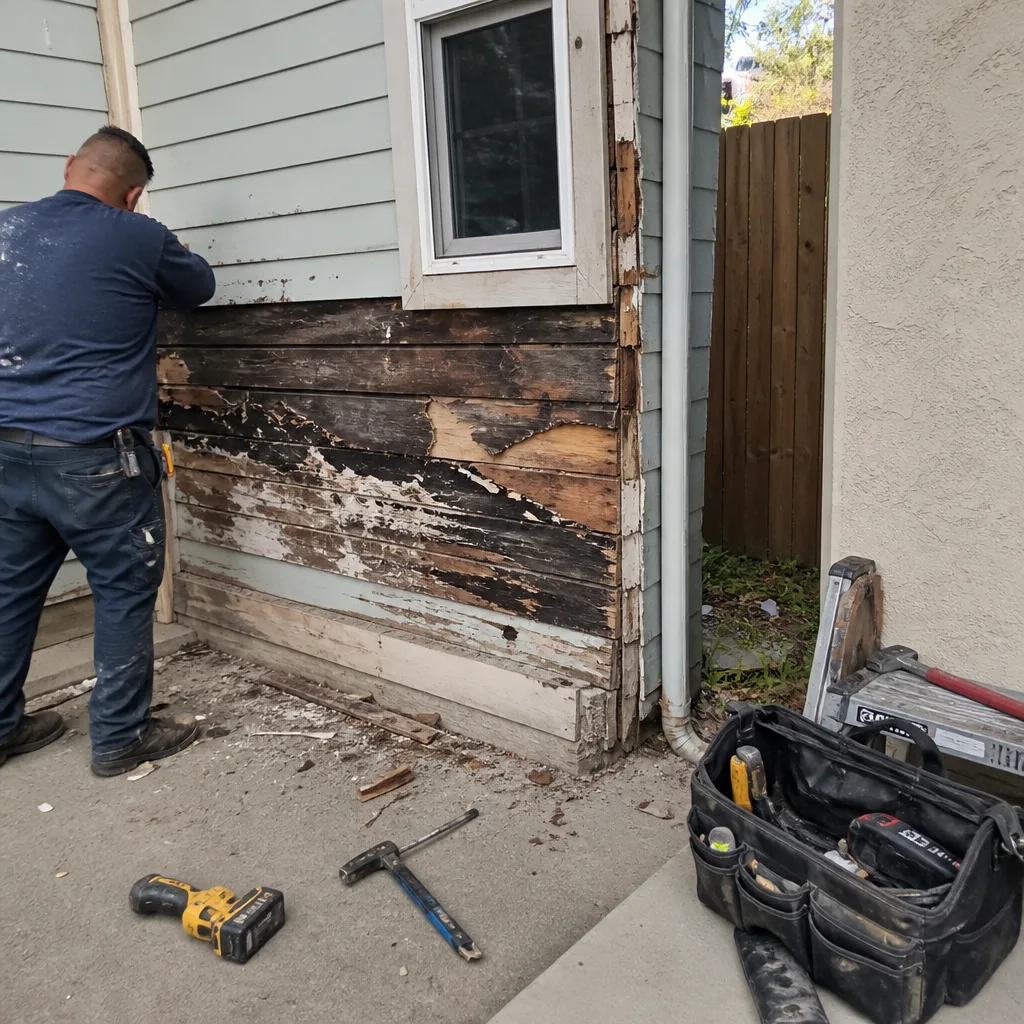 Before
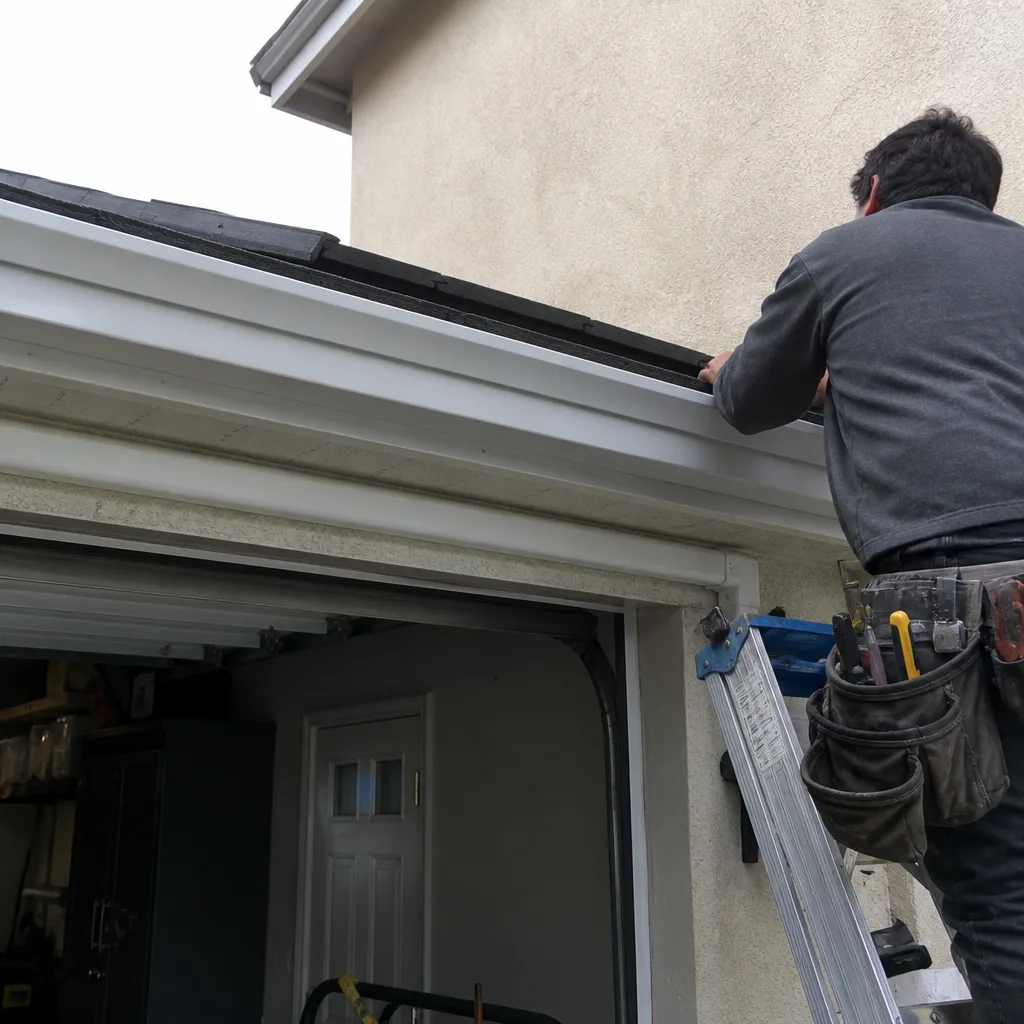 After
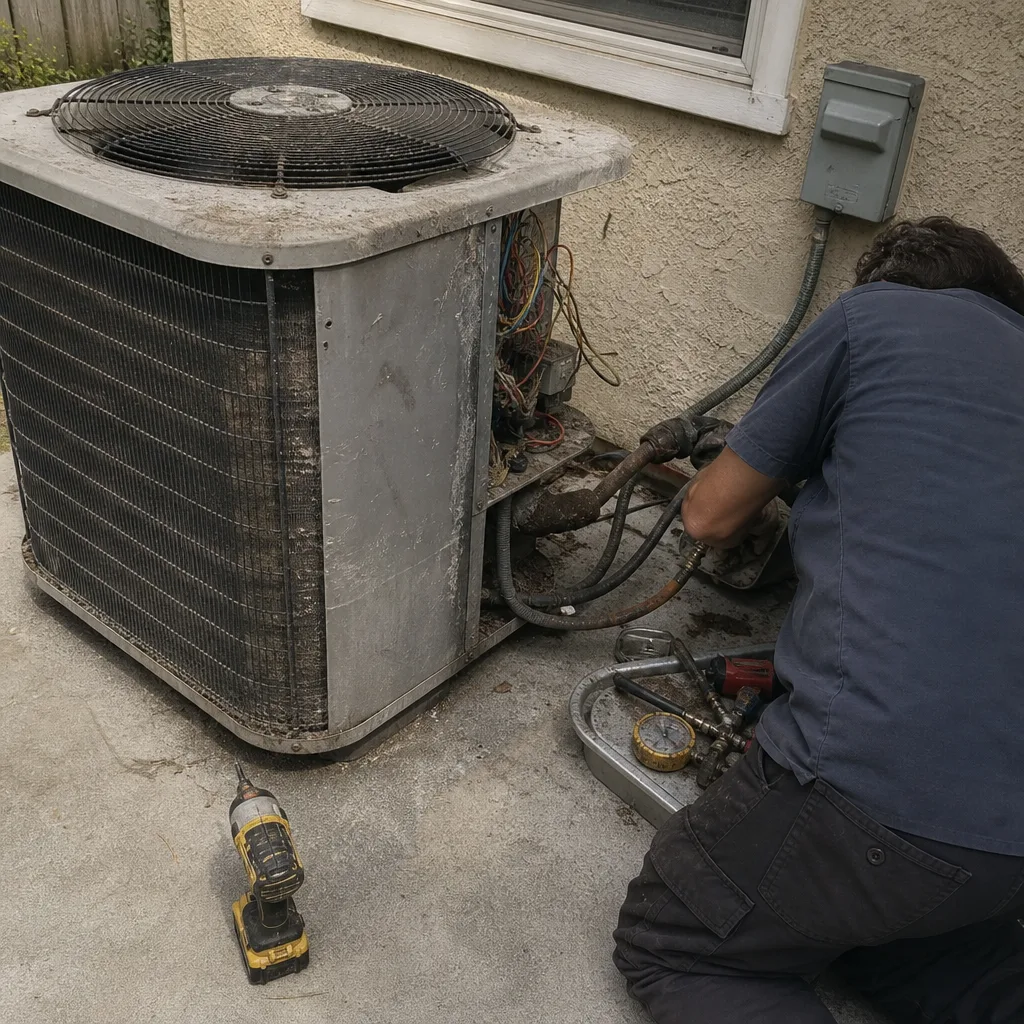 Before
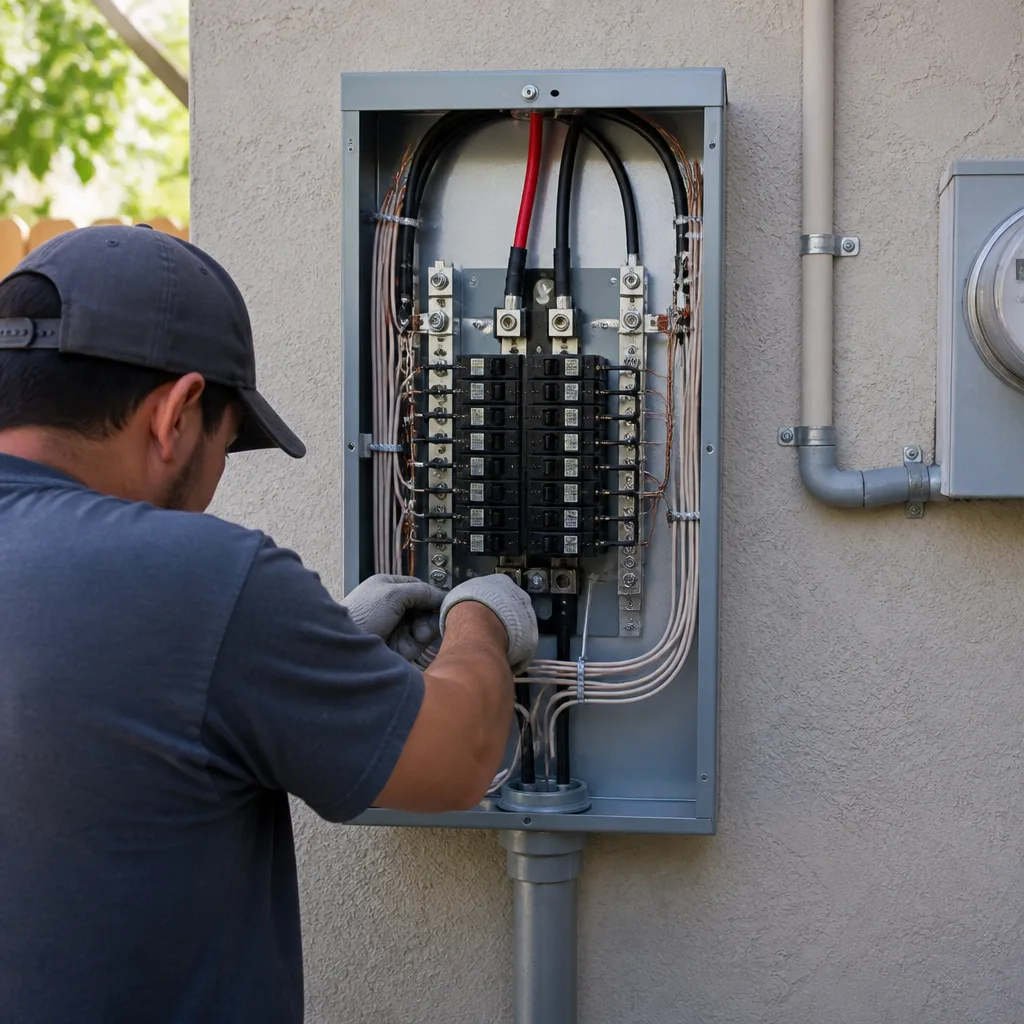 After
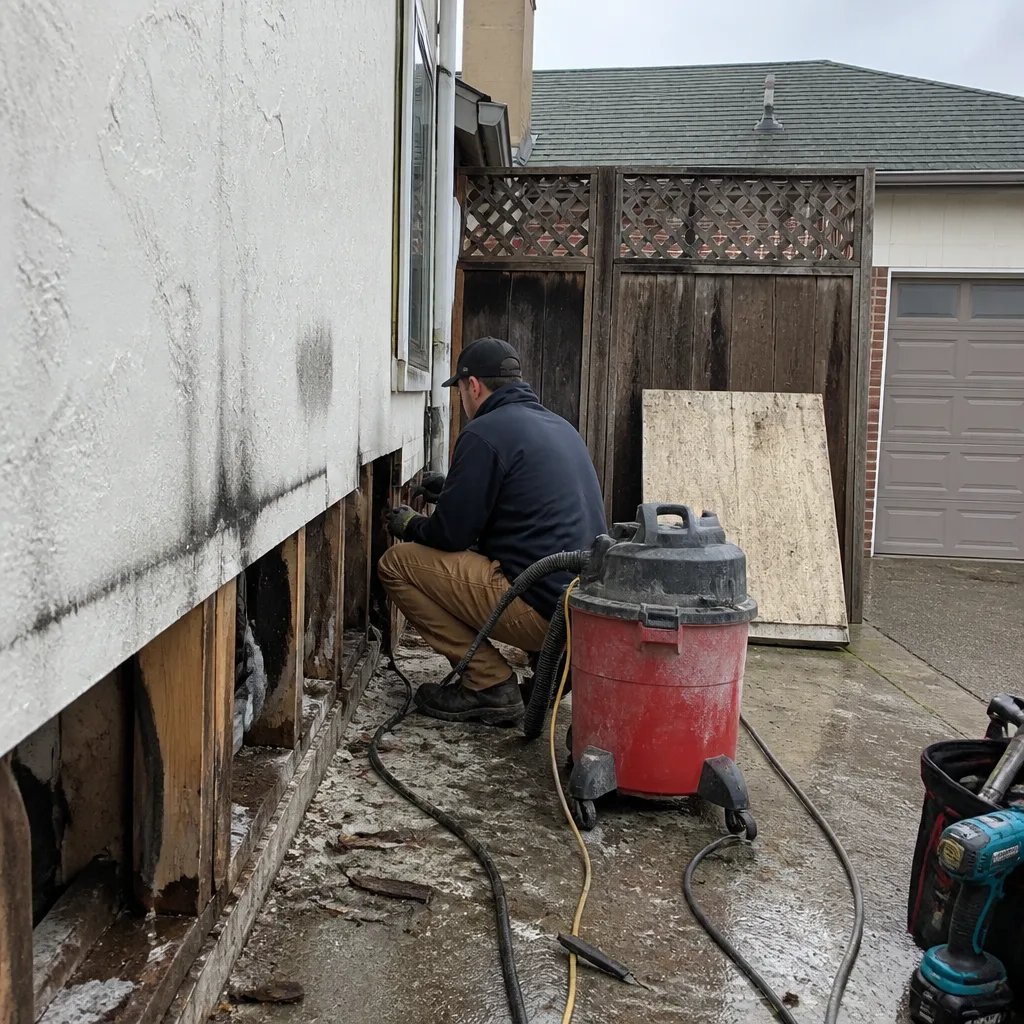 Before
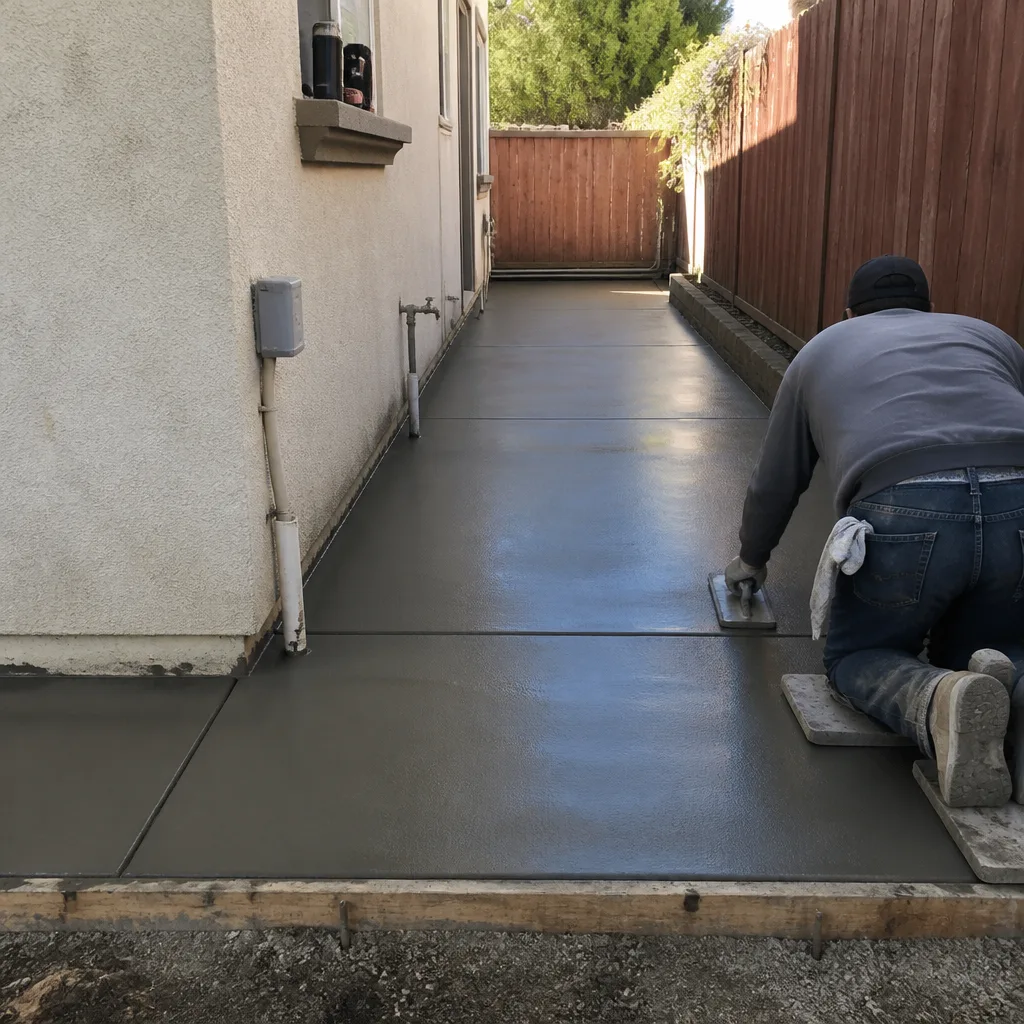 After