Last updated October 30, 2026
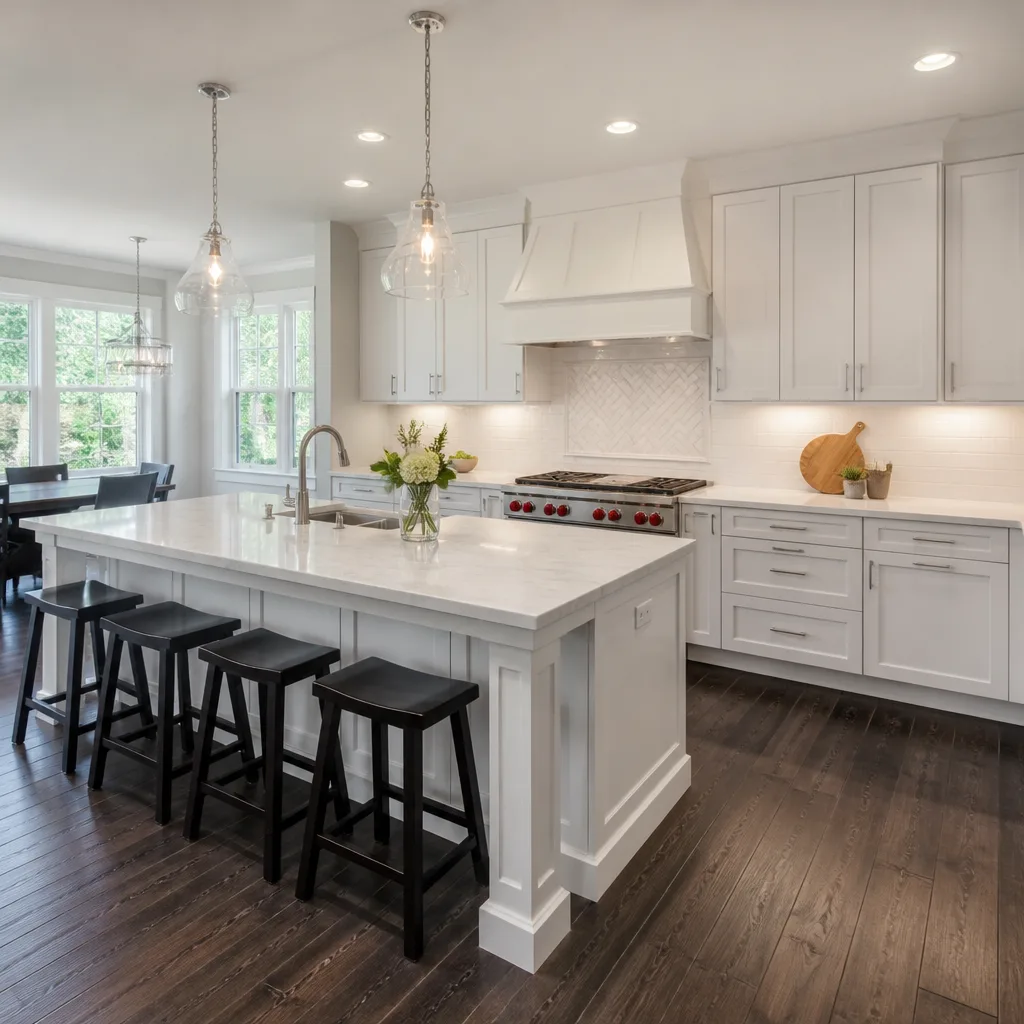 Kitchen remodeling
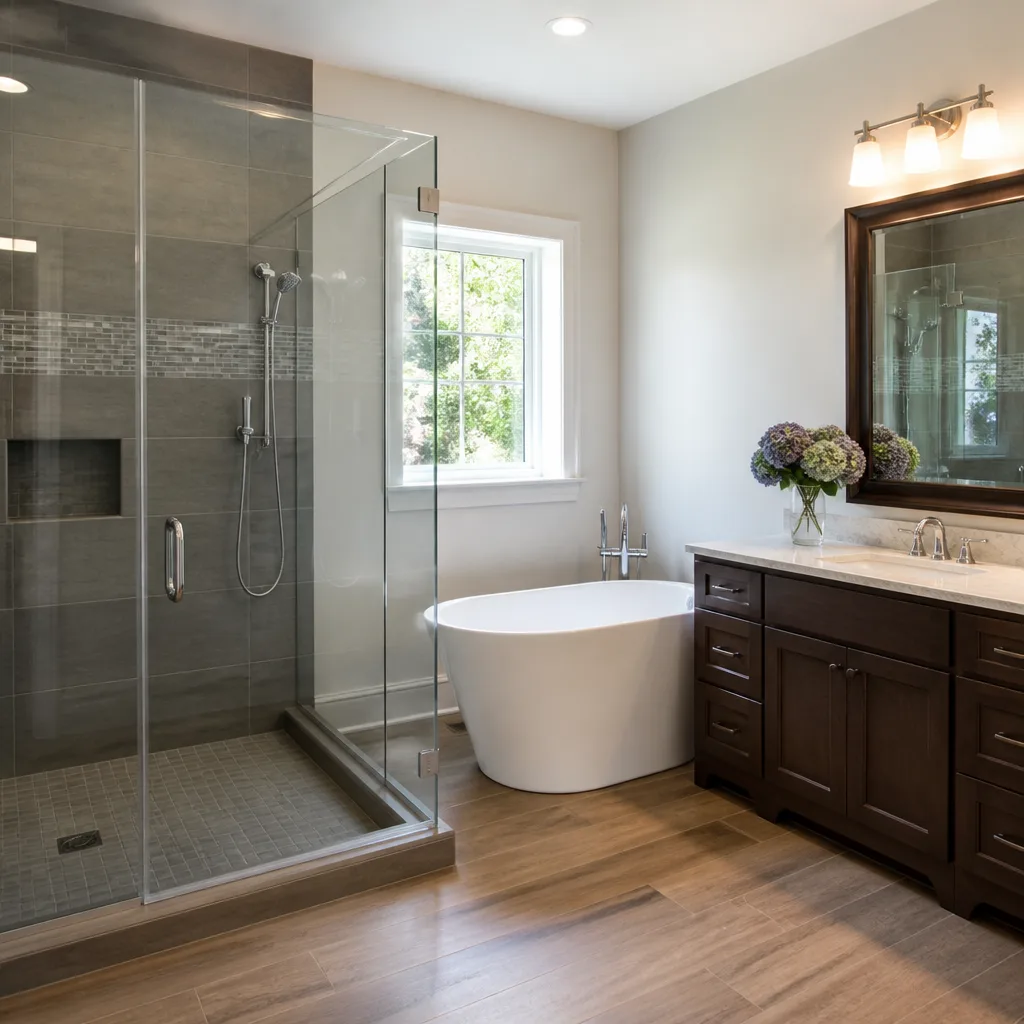 Bathroom remodeling
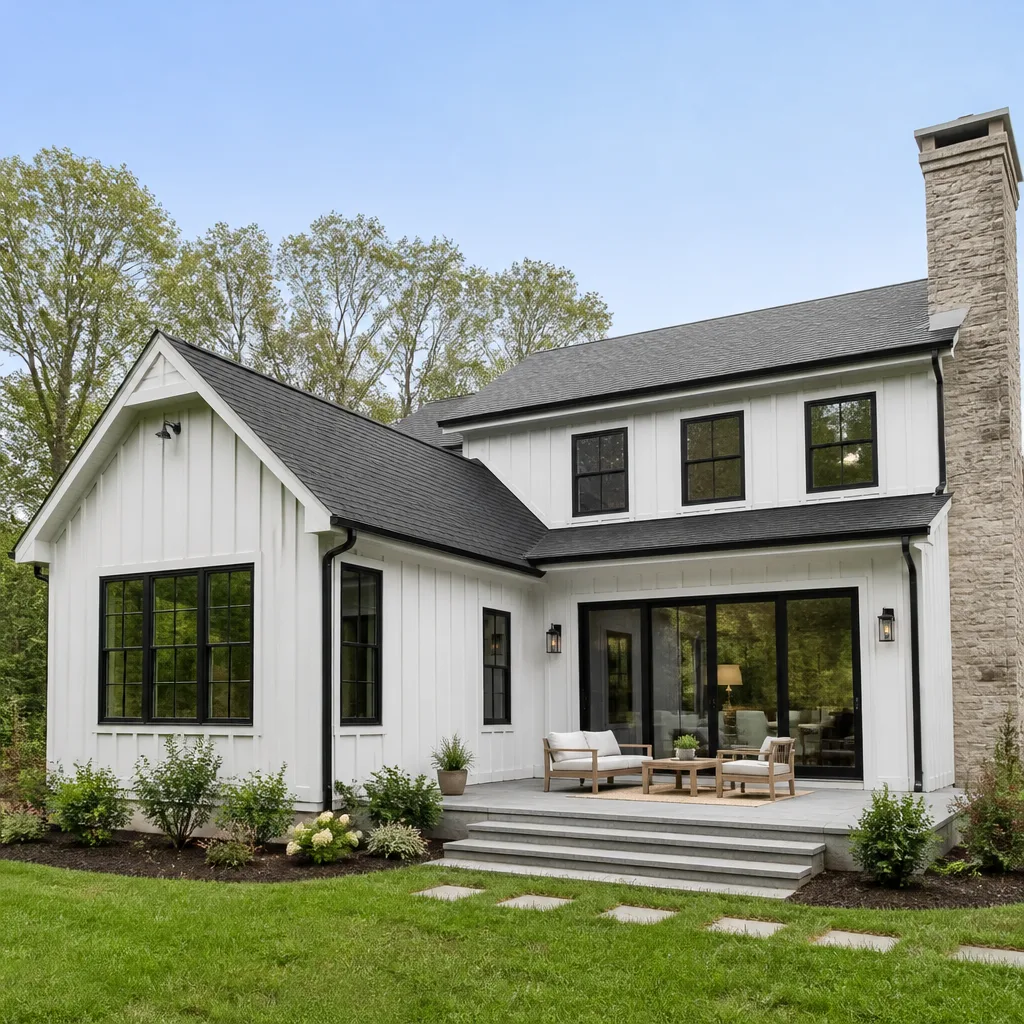 Home additions & ADU
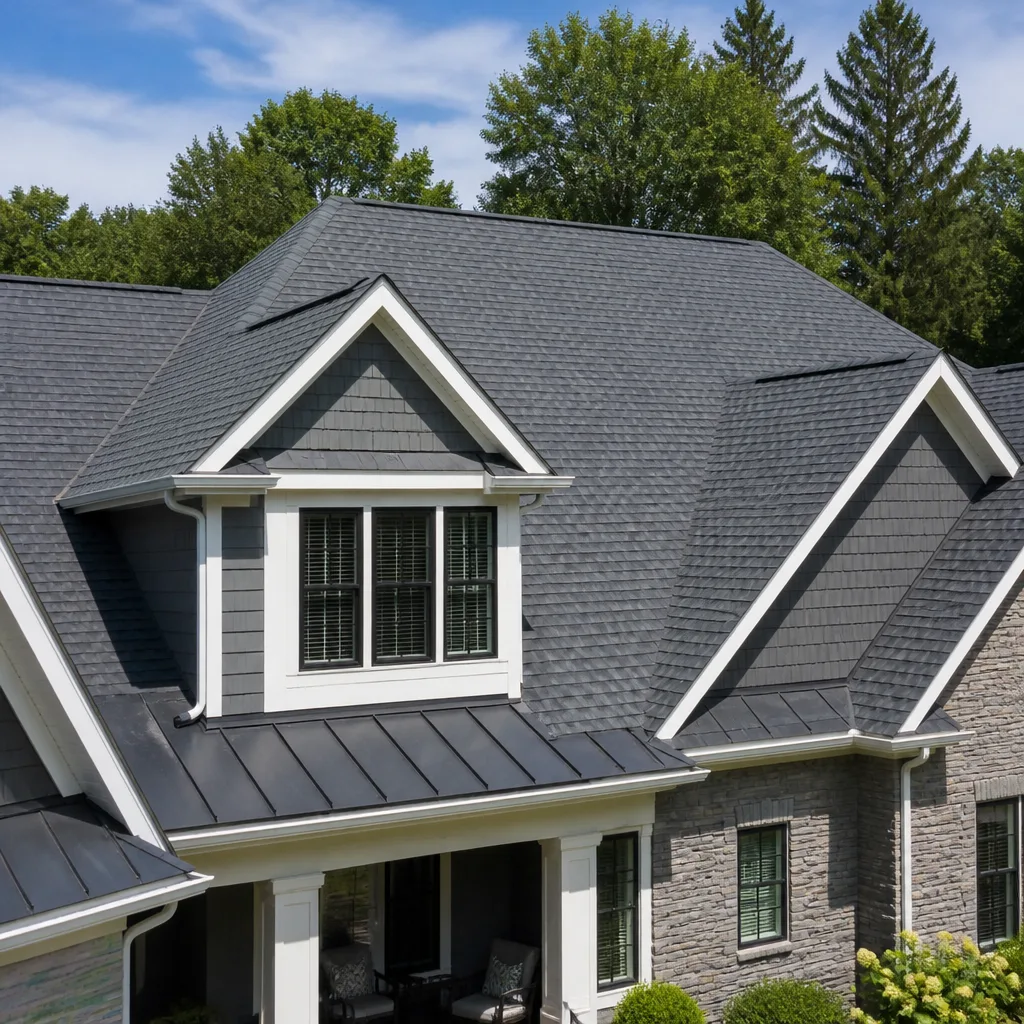 Roofing
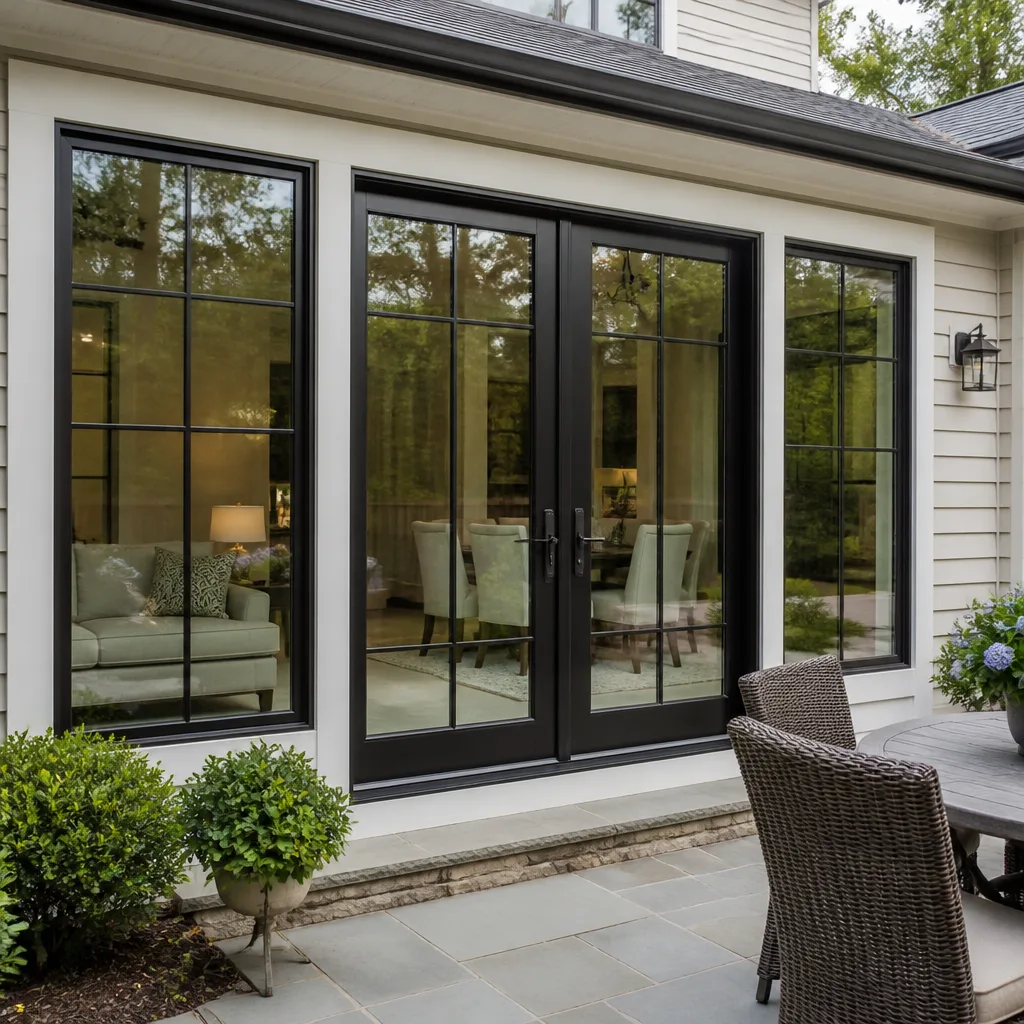 Windows & doors
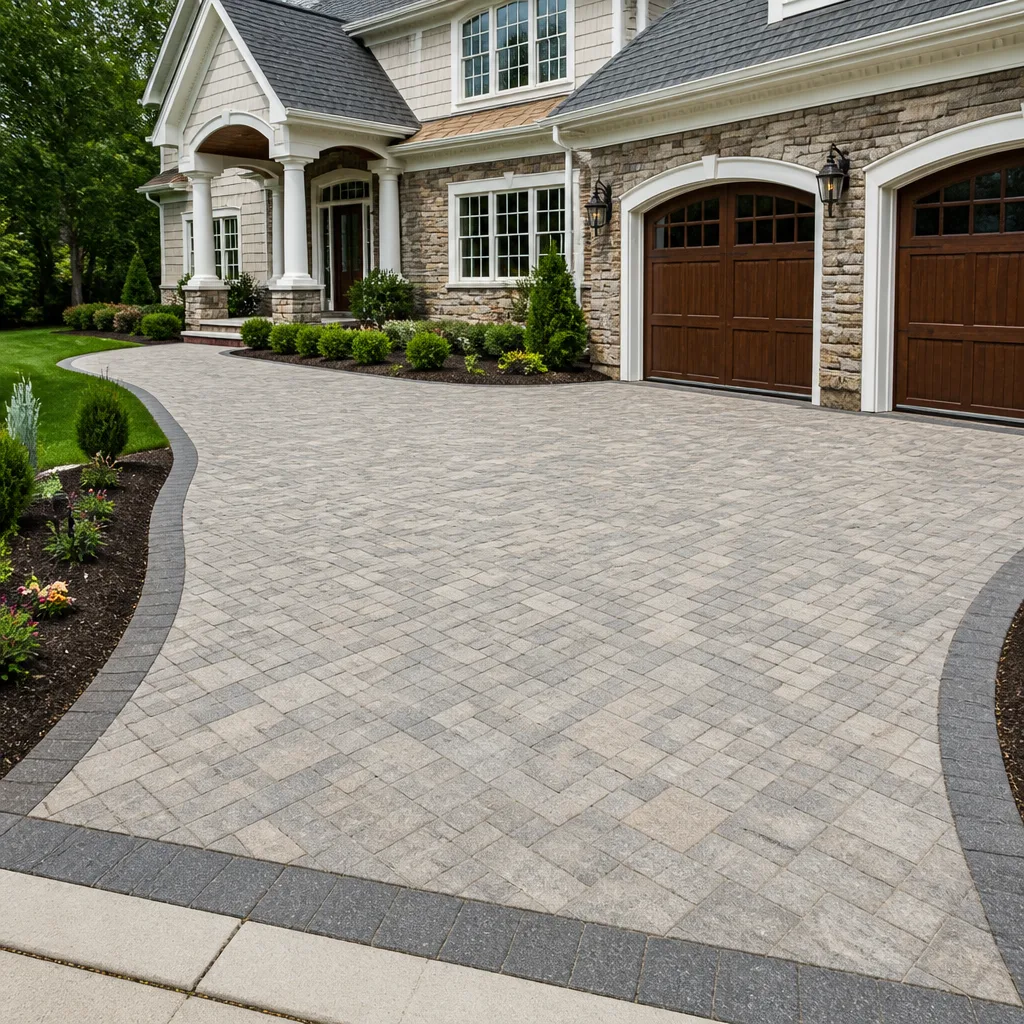 Driveway & pavers
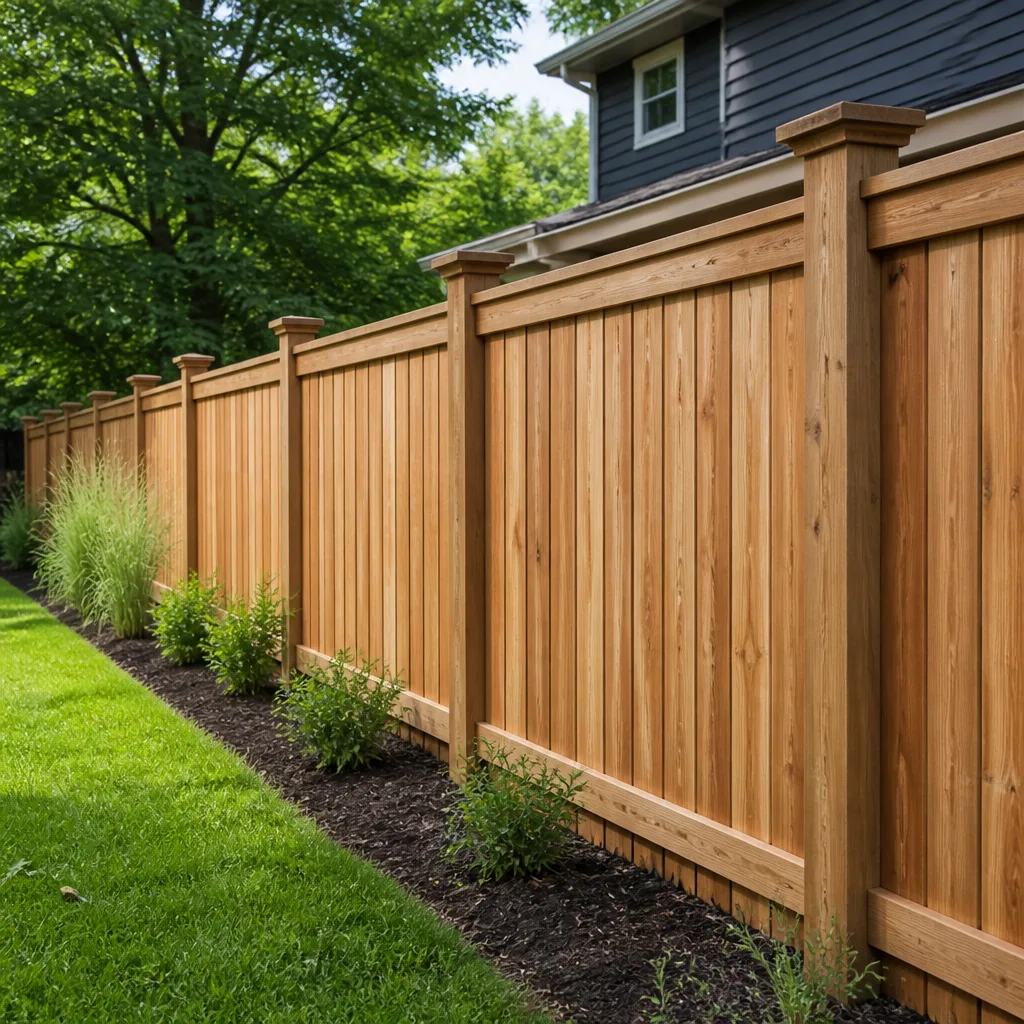 Fence
Free written scope consultation - allowances, timeline, and change-order rules on paper before a single trade is scheduled
Choosing the Right Construction Brand: A Buyer’s Guide for Morgan Hill
The brand printed on a roofing shingle or a window unit matters far less than the warranty terms, the local distributor’s inventory depth, and whether your contractor has the certification to install it correctly. Most Morgan Hill homeowners don’t know to ask about any of those three things. This guide and our Complete Guide to Construction in Morgan Hill give you the framework to evaluate construction brands honestly, without getting lost in marketing language. We’ll show you where spending up makes a measurable difference in Morgan Hill’s climate, where mid-tier products perform identically to premium ones, and how to read the fine print that actually protects your investment. By the end, you’ll know exactly what questions to ask any contractor before a single material gets ordered.
Quick Answer
Choosing the right construction brand for a Morgan Hill home comes down to three things in this order: warranty terms that hold up under California sun exposure and seasonal temperature swings, a local distributor network that keeps replacement parts and warranty claims moving fast, and a contractor who has installed that specific brand enough times to know its installation requirements cold. Brand loyalty matters less than performance category fit, and installation quality typically outweighs product tier.
Styles & brands we work with
Table of Contents
- How to Read Manufacturer Warranties Critically
- Performance Categories That Matter in Morgan Hill’s Climate
- Why Contractor Familiarity With a Brand Is a Legitimate Selection Factor
- Where to Spend Up vs. Where Mid-Tier Performs Identically
- How to Cross-Check Brand Claims With Third-Party Sources
- Why Local Distributor Presence Matters More Than the Brand Name
- What the Morgan Hill Market Actually Stocks
- Common Mistakes to Avoid
- When to Call a Professional
- Frequently Asked Questions
How to Read Manufacturer Warranties Critically
Most homeowners read the word “lifetime” on a warranty and stop reading. That’s exactly what the manufacturer wants you to do. “Limited lifetime” is a legal term with a specific meaning, and it rarely means what you think it means. In the roofing world, for example, a limited lifetime warranty from a brand like IKO or Atlas typically covers manufacturing defects only, and only for the original homeowner. If you sell the house, the warranty often drops to a 10-year prorated term for the new owner. Prorated means the manufacturer pays a declining percentage based on the age of the product, and after a certain point, you’re paying for most of the replacement material yourself.
Here’s what you need to ask about any warranty before you sign anything:
- Is the warranty transferable? If you plan to sell your Morgan Hill home in the next decade, a non-transferable warranty has almost no value to you.
- What’s the proration schedule? Some brands prorate aggressively after year 5. Others give full coverage for 10, 15, or 20 years before proration kicks in.
- What voids coverage? This is the section nobody reads. Many manufacturers void roofing warranties if the attic ventilation doesn’t meet their spec. Some void window warranties if the flashing wasn’t done by a certified installer. In Morgan Hill, where summer attic temperatures regularly hit 130°F, improper ventilation is a common warranty killer.
- Does the warranty cover labor? Material warranties almost never cover labor. A shingle that fails in year 8 might get you a free bundle of shingles, but you’re paying a crew to tear off and replace the section. Labor coverage requires a separate workmanship warranty from your contractor.
- Who processes the claim? In Morgan Hill, if your contractor ordered through a local distributor, claims typically move through that distributor. If materials came from an out-of-state warehouse, you’ll be waiting on hold with a manufacturer call center.
We’ve seen homeowners in Morgan Hill buy premium roofing brands based on the warranty headline, then discover the fine print excluded everything that actually failed. Read the exclusions first. The warranty is only as good as what it covers and who stands behind it locally.
Performance Categories That Matter in Morgan Hill’s Climate
Morgan Hill sits in a climate that punishes building materials in specific ways. We get 250-plus sunny days a year, summer temperatures that regularly cross 95°F, cool foggy mornings from the coastal influence, and a dry season that runs from May through October. That combination creates three performance demands that matter more than brand names:
UV resistance is the big one. Morgan Hill’s sun exposure is relentless on exterior materials. Roofing shingles, siding, exterior paint, and even window seals all degrade faster here than in cloudier climates. For roofing, brands like Tamko and Boral have invested heavily in UV-stabilized granules and asphalt formulations. Boral’s stone-coated steel products, for example, are engineered specifically for high-UV environments. That’s a performance category worth paying for if you’re reroofing a home that will be there for another 30 years.
Thermal cycling tolerance matters more in Morgan Hill than in San Francisco or Santa Cruz. Our daily temperature swings, especially in spring and fall, can be 30 to 40 degrees between morning fog and afternoon sun. Materials expand and contract with every cycle. Cheap vinyl siding, low-grade asphalt shingles, and poorly formulated caulks crack under repeated thermal cycling. Products rated for high thermal cycling tolerance cost more because the chemistry is more complex, but in Morgan Hill, that’s not an upsell. It’s a requirement.
Moisture management is the third category. Morgan Hill gets about 20 to 24 inches of rain per year, concentrated in a short winter window. When it rains, it rains hard. Materials that handle intermittent heavy rain well, rather than constant drizzle, are what you want. That means proper drainage planes behind siding, flashing details around windows and doors, and underlayment choices on roofs that can handle a sudden downpour without leaking.
Why Contractor Familiarity With a Brand Is a Legitimate Selection Factor
Here’s something most buying guides won’t tell you: the best brand is often the one your contractor already knows how to install. That’s not a cop-out. It’s practical reality.
Every brand has installation quirks. A window that’s flashed one way for a stucco exterior needs a different flashing detail for lap siding. A roofing brand that requires specific nail placement will fail early if the installer anchors it like a different brand. A countertop material that needs specific seam treatment looks terrible in the hands of someone who hasn’t worked with it before.
Installation quality matters more than product tier in most categories. A mid-tier window installed with proper flashing, correct shimming, and careful sealing will outperform a premium window installed sloppily. And the reverse is true: a premium product installed incorrectly will fail faster than a properly installed budget product.
- Ask the contractor how many of this specific brand they’ve installed in the last year. Not “have you worked with it” but “how many.” A contractor who has done 30 Tamko roofs knows the quirks. A contractor who has done two will be learning on your house.
- Ask if they hold manufacturer certifications for that brand. Brands like IKO and Atlas offer contractor certification programs. Certified installers get better warranty terms from the manufacturer, and that benefit passes to you.
- Ask how they handle this brand’s warranty claims. A contractor who has processed claims with a brand knows what the manufacturer will and won’t cover. They’ll also know the local distributor reps who can escalate a claim when it stalls. That relationship is worth real money when something goes wrong.
At Brookside Contractors, we maintain manufacturer certifications across the brands we install. That’s not a marketing badge. It means the warranty actually pays out when it needs to, because the installation met the manufacturer’s documented requirements.
Where to Spend Up vs. Where Mid-Tier Performs Identically
If you’re renovating a Morgan Hill home on a real budget, you need to know where your money moves the needle and where it doesn’t. Here’s the honest breakdown based on what we’ve seen across hundreds of projects in the South Bay.
Spend up on: roofing, windows, and exterior paint. These are the categories where Morgan Hill’s sun exposure and thermal cycling create measurable performance differences between tiers. Premium roofing brands like Boral’s stone-coated steel will outlast mid-tier asphalt by 20 years or more in our climate. Windows with better UV coatings and low-E glass will reduce cooling costs and protect interior finishes. Exterior paint with higher-quality resins and UV inhibitors will hold color and adhesion significantly longer on south-facing walls. The cost difference is real, but so is the performance difference.
Spend up on: anything that’s hard to replace later. A kitchen countertop is relatively easy to swap. A roofing underlayment is not. A window frame is not. A foundation waterproofing system is not. When the labor cost to replace something is high, buy the better material up front. You’ll pay once instead of twice.
Mid-tier performs identically on: interior doors, cabinet hardware, light fixtures, and plumbing fixtures in secondary bathrooms. A mid-tier cabinet pull from a reputable manufacturer will look and function identically to a designer-brand pull that costs three times as much. The same goes for door hinges, towel bars, and basic faucets in guest bathrooms. Save money here and put it toward the roof.
Mid-tier performs identically on: dimensional asphalt shingles, standard interior paint, and laminate flooring. For roofing brands like IKO, Atlas, and Tamko, the dimensional shingle lines all use similar asphalt formulations and granule technology. The difference between IKO’s Cambridge line and Atlas’s Pinnacle line is mostly warranty duration and color selection, not performance. If you’re reroofing a rental property or a home you’ll sell within 10 years, a mid-tier dimensional shingle is the rational choice. The premium architectural lines matter more for curb appeal than structural performance.
The point is this: we match the material to the project. A knowledgeable contractor will tell you where to spend and where to save, not just default to the most expensive spec. If a contractor pushes premium everywhere without discussion, you’re being sold to, not advised.
How to Cross-Check Brand Claims With Third-Party Sources
Manufacturer spec sheets exist to sell products. Every brand’s lab testing shows their product outperforming competitors. Every brand’s brochure is full of impressive-sounding certifications. Here’s how to find out what’s actually true without relying on marketing materials.
- Check ENERGY STAR ratings for windows, doors, and skylights. The ENERGY STAR program uses independent testing protocols, and the ratings are searchable by product line. If a window brand claims superior energy performance, you can verify it against the ENERGY STAR database. Look for the U-factor and Solar Heat Gain Coefficient (SHGC) values that match Morgan Hill’s climate zone. A window that’s right for Phoenix is not right for Morgan Hill.
- Look up ICC evaluation reports for structural and exterior products. The International Code Council publishes evaluation reports (ESRs) that document independent testing of products against building code requirements. If a siding brand, roofing underlayment, or structural product claims code compliance, there should be an ICC-ES report number you can look up. No ESR, no independent verification.
- Read contractor reviews and complaints on neutral platforms. Not the reviews the manufacturer promotes on their website. Look at what contractors say on trade forums, what homeowners report on complaint sites, and what local building inspectors tell you when you ask. In Morgan Hill, the local building department has seen every product fail at some point. A conversation with an inspector is one of the most honest product reviews you’ll ever get.
- Ask about local installations you can see. Any contractor in Morgan Hill can point you to a project they completed with a specific brand three, five, or ten years ago. Go look at it. A product that looked great at installation and looks tired at year five is telling you something the spec sheet won’t.
Third-party verification is the difference between buying a brand story and buying a product that will perform in your specific home, on your specific street, in Morgan Hill’s specific climate. Take the extra 30 minutes to check.
Why Local Distributor Presence Matters More Than the Brand Name
Here’s a scenario we’ve seen play out in Morgan Hill more than once. A homeowner selects a premium roofing brand based on an online review. The contractor orders it through a distributor in another state. The shingles arrive with damage from shipping. The distributor says to file a claim. The manufacturer says to contact the distributor. Two weeks go by. The project stalls. The homeowner is paying a mortgage on a house with a torn-off roof.
Now imagine the same scenario with a brand that’s stocked by a distributor in Morgan Hill or San Jose. The contractor calls the distributor. The distributor has the replacement material on the shelf. The project moves forward the next day. That’s what local distributor presence buys you: continuity when something goes wrong.
For brands like IKO, Atlas, Tamko, and Boral, distributor networks vary by region. Before you commit to a brand, ask your contractor:
- Where is this brand’s closest distributor to Morgan Hill?
- How much inventory does that distributor typically carry?
- What’s the lead time for a warranty replacement part?
- Who does the distributor use for claims processing, and how responsive are they?
A brand with a deep local distributor presence is worth more to you than a brand with a better marketing story and no local footprint. When a window seal fails in year 7 or a shingle defect shows up in year 12, the speed of the replacement matters more than the prestige of the logo.
What the Morgan Hill Market Actually Stocks
Morgan Hill isn’t a major construction supply hub. We’re a mid-sized city between San Jose and Gilroy, and most of our building materials flow through distribution channels based in San Jose, Gilroy, or the southern East Bay. That means the brands you can actually get quickly in Morgan Hill are the ones those distributors choose to carry.
Here’s what that means for your project. If you select a brand that’s stocked locally, your lead times are short, your warranty replacements are fast, and your contractor can get on-site support from distributor reps when questions come up. If you select a boutique brand that has to ship from out of state, you’re adding two to four weeks to your timeline before the first pallet arrives, and every warranty issue becomes a multi-week ordeal.
This is one reason we maintain working relationships with the distributors who serve Morgan Hill and the surrounding South Bay. When we recommend a roofing brand like IKO or Atlas, or a siding option like Boral, part of that recommendation is based on what we know we can get quickly and support locally. The brand is one variable. The distribution network behind it is another, and in Morgan Hill, that network matters.
For homeowners planning a home remodeling project anywhere in the South Bay, the same logic applies. Material availability drives timelines. Timelines drive cost. Choose brands that are actually stocked where you live.
Common Mistakes to Avoid
- Choosing a brand before choosing a contractor. The contractor’s familiarity with the brand, their certification status, and their distributor relationships should inform the brand decision. Pick the contractor first, then work through brand options together. The reverse order leads to mismatched installations and warranty voids.
- Buying the warranty headline without reading the exclusions. “Limited lifetime warranty” has a specific legal meaning that varies by brand and product category. Read the exclusions before you commit. This single mistake has cost Morgan Hill homeowners thousands in denied claims.
- Assuming premium price means premium performance. There are categories where mid-tier performs identically, and categories where premium is genuinely better. A good contractor will tell you which category you’re in for each line item. If they won’t, get a second opinion.
- Ignoring local climate requirements. Products perform differently in Morgan Hill’s sun-heavy, thermally-cycling climate than they do in Seattle or Chicago. A product rated highly in a national comparison may be wrong for our conditions. Check the performance categories that matter here: UV resistance, thermal cycling tolerance, and moisture management.
- Verifying brand reputation but not distributor support. A brand can be excellent and still be a nightmare to work with if the local distributor is understocked or unresponsive. Ask about distribution before you order.
- Skipping third-party verification. ENERGY STAR data, ICC-ES reports, and local contractor feedback are all publicly available. Not checking them is like buying a car without reading the safety ratings because the salesperson said it was safe.
- Treating installation as an afterthought. The best product in the wrong hands will fail early. Manufacturer certifications, documented experience with the specific brand, and a contractor who processes warranty claims regularly are all part of the decision.
When to Call a Professional
If you’re planning a kitchen remodel, bathroom renovation, reroof, window replacement, ADU, or any project where brand selection affects structural performance, warranty coverage, and long-term value, you need professional guidance before you commit. The brand conversation should be part of a broader project conversation, not a standalone shopping exercise. A general contractor who works across multiple product categories can help you balance brand quality, budget, and availability across every line item. For Morgan Hill homeowners planning a home renovation, getting this right at the planning stage saves money and headaches later. Brookside Contractors offers free estimates in Morgan Hill, call (833) 725-3508 to talk through your project and the right brands for it.
Frequently Asked Questions
Choose a roofing brand based on UV resistance, thermal cycling tolerance, and local distributor support, not brand loyalty. Brands like IKO, Atlas, Tamko, and Boral all make quality products, but the right choice depends on your budget, your home’s orientation, and whether a local distributor stocks that brand for quick replacements. Ask your contractor about their certification status and warranty claim experience with any brand they recommend.
Yes, and it’s one of the categories where the cost difference is measurable. Morgan Hill’s sun exposure and daily temperature swings put stress on window seals, frames, and coatings. Premium windows with better UV coatings and low-E glass reduce cooling costs and protect interior finishes. The payback is real, especially on south- and west-facing elevations. Call (833) 725-3508 to get a window recommendation for your specific home.
It means the manufacturer covers manufacturing defects for the original owner, with a proration schedule that reduces coverage over time and transfer restrictions that typically cut the warranty to 10 years or less for a new owner. It does not mean the product is guaranteed for your lifetime, and it almost never covers labor. Read the exclusions and transfer terms before you compare brands on warranty headlines.
You should choose the brands together. A good contractor will present brand options within your budget, explain where premium matters and where mid-tier performs identically, and recommend based on their installation experience and distributor relationships. Avoid contractors who insist on one brand without explanation, and avoid contractors who say “whatever you want” without guidance. The right answer is a conversation, not a default.
Any brand can fail in Morgan Hill if it’s the wrong product for the climate. The issues we see most often are products with poor UV resistance fading or cracking on south-facing walls, products with low thermal cycling tolerance failing at expansion joints, and products with poor moisture management leaking during our concentrated winter rain events. The brand matters less than the product’s performance category ratings for our specific conditions.
Check ENERGY STAR ratings for windows and doors, look up ICC-ES evaluation reports for structural and exterior products, read contractor feedback on neutral platforms, and ask your contractor to show you local installations of that brand that are three to five years old. Third-party verification takes 30 minutes and reveals what manufacturer spec sheets won’t.
The Bottom Line
Brand selection in Morgan Hill comes down to four questions: What does the warranty actually cover after you read the exclusions? Does the product’s performance category fit our sun-heavy, thermal-cycling climate? Is there a local distributor who can get replacement parts quickly? And does your contractor have the certification and experience to install that brand correctly? Answer those four questions and you’ll make a better decision than any brand comparison chart. Skip them and you’re buying a logo, not a building material. For Morgan Hill homeowners who want to get this right, explore more guides & resources or call Brookside Contractors at (833) 725-3508. The estimate is free, and the advice is honest.
Written by the team at Brookside Contractors, serving Morgan Hill since 2011.
See the difference
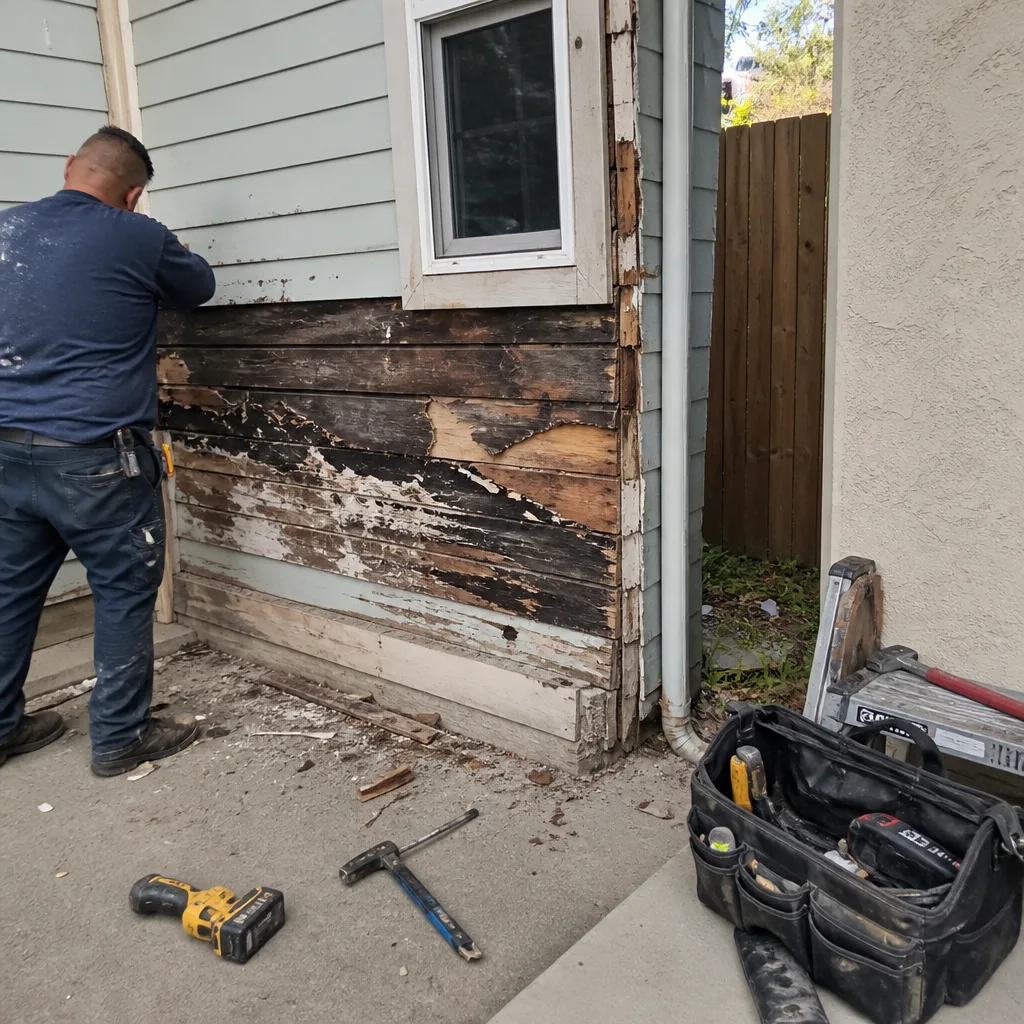 Before
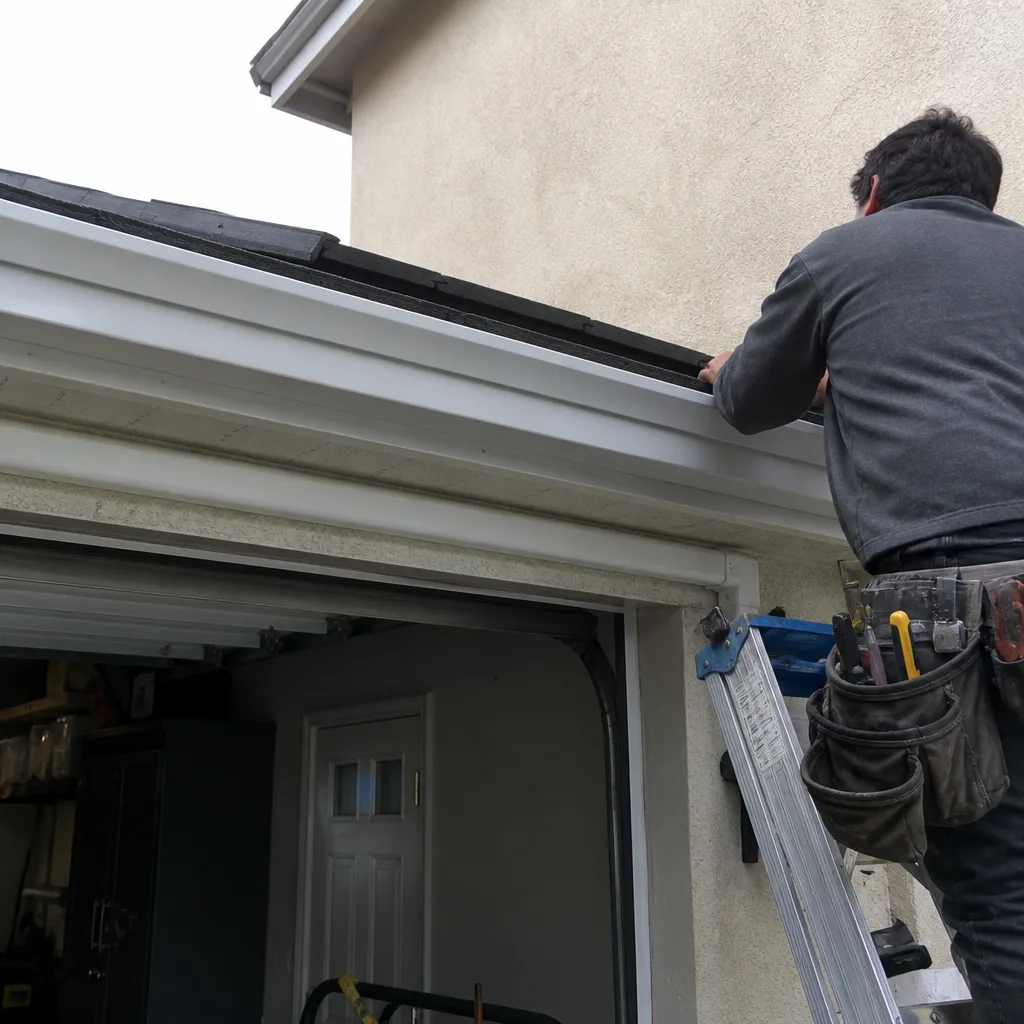 After
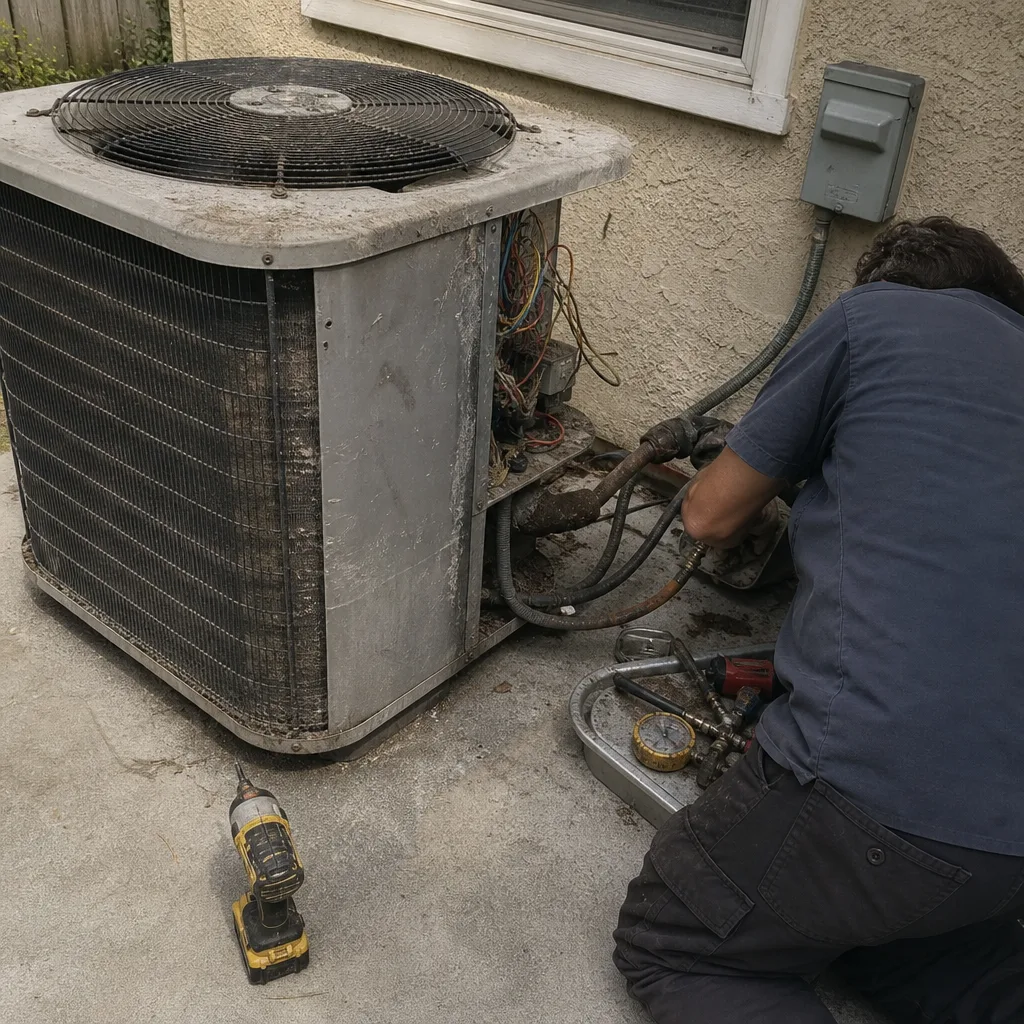 Before
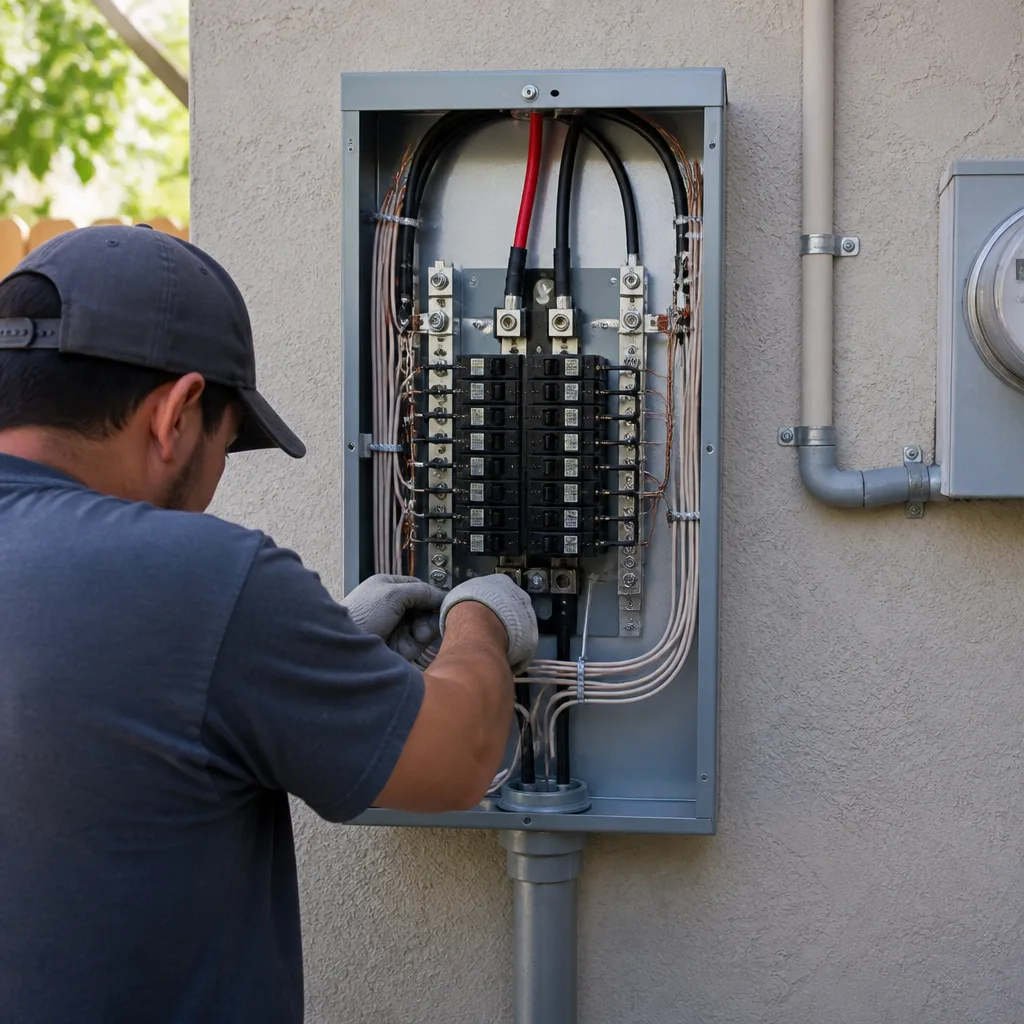 After
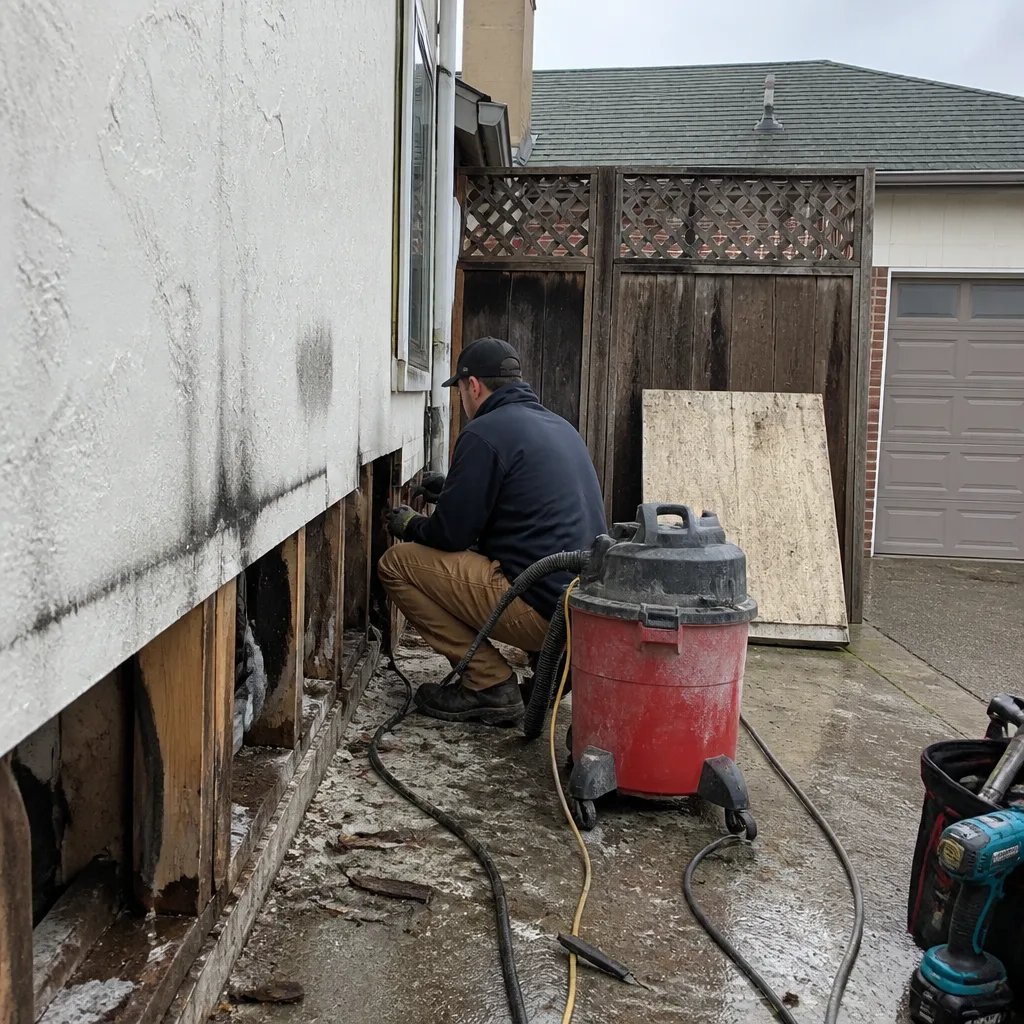 Before
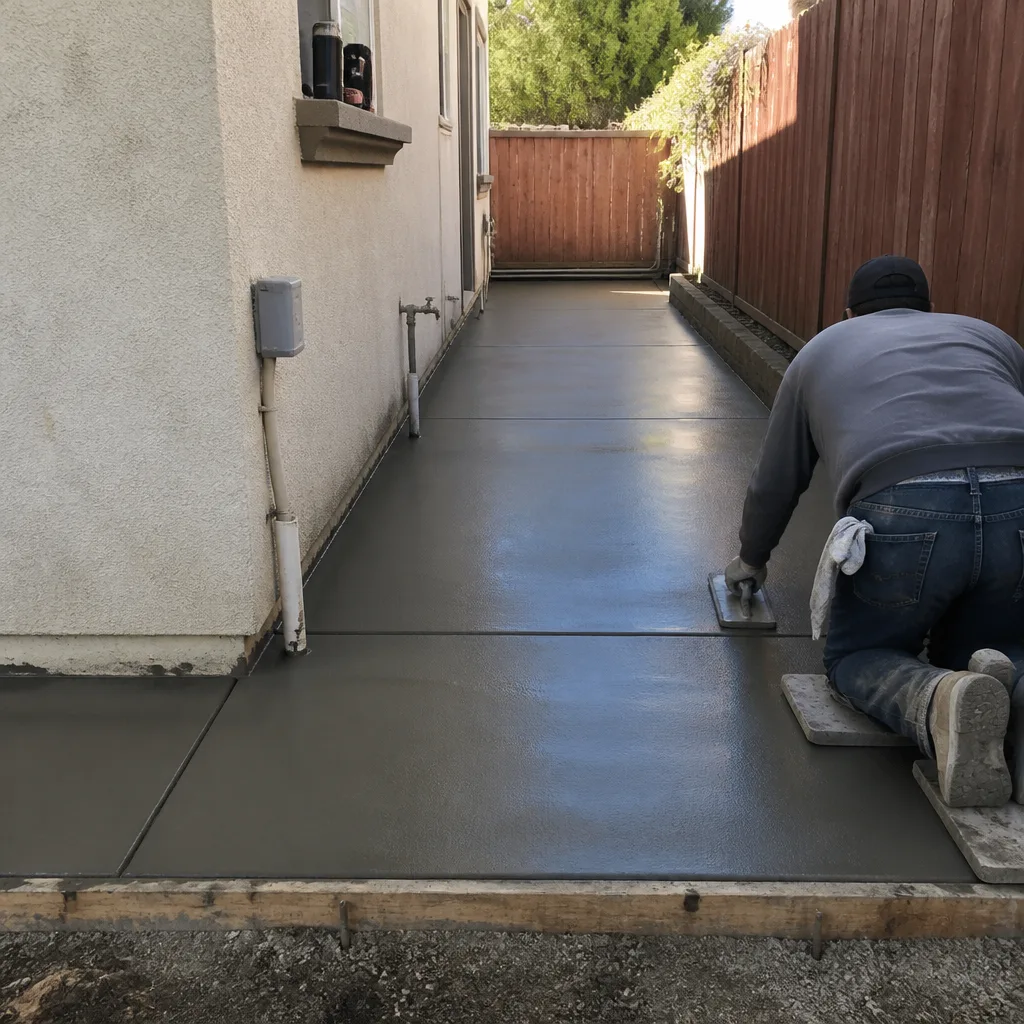 After