
Last updated October 30, 2026
 Kitchen remodeling
 Bathroom remodeling
 Home additions & ADU
 Roofing
 Windows & doors
 Driveway & pavers
 Fence
Free written scope consultation - allowances, timeline, and change-order rules on paper before a single trade is scheduled
General Contractor Troubleshooting: Common Problems and How to Fix Them
A project running two weeks behind schedule is not automatically a problem, but a GC who can’t tell you exactly why it’s behind and what’s been adjusted downstream almost certainly is one. Most homeowners enter a remodel expecting the work itself to be the hard part. It rarely is. The hard part is coordination: who shows up when, which materials arrive before which trade, and who catches the mistake before it gets buried behind drywall. In Morgan Hill, where summer heat bakes slab foundations and winter rain can stall exterior work for weeks, that coordination gets tested even harder. This guide is built from years of running projects of every scale, and it gives you a triage framework: what’s normal friction, what’s a genuine red flag, and exactly how to escalate without torching the relationship that gets your project finished.
Quick Answer
Most general contractor problems fall into four categories: schedule slippage, change order disputes, payment documentation gaps, and quality or scope disagreements. Fix most of them by documenting everything weekly, requiring conditional lien waivers at every payment milestone, and having a direct, structured conversation with your GC before bringing in outside help. The biggest mistake homeowners make is waiting until a small coordination issue becomes a legal problem.
Styles & brands we work with
Table of Contents
- Schedule Slippage: When to Worry and When to Wait
- Change Orders: Legitimate Adjustments vs. Scope Creep
- Lien Waivers: The Financial Habit That Protects Everything
- Subcontractor Sequencing: The Coordination Problem No One Sees
- Documentation: The Five-Minute Weekly Habit
- Escalation: When to Talk, When to Consult, When to Report
- Quality Disputes: Punch Lists and Standards
- Morgan Hill Specifics: Code, Climate, and Market Realities
Schedule Slippage: When to Worry and When to Wait
Every remodel runs late. That is not contractor spin; it is the reality of a system where weather, city inspectors, material freight, and a dozen different trades all have to line up in sequence. The question is never “is it late?” but “does anyone know why, and has the downstream plan been adjusted?”
In Morgan Hill, schedule slippage tends to come from three predictable sources. First, permitting. The City of Morgan Hill’s building department processes most residential permits within a few weeks for straightforward work, but anything touching structural changes, ADU construction, or hillside geotechnical review can add months. That delay is recoverable if the GC planned for it or communicates it early. Second, material lead times. Custom cabinetry from brands like KraftMaid or Wellborn can run eight to twelve weeks from order to delivery, and if those orders were not placed at contract signing, the entire kitchen timeline shifts. Third, and most telling, subcontractor sequencing. When one trade falls behind and the GC does not immediately resequence what follows, you get the compounding effect that turns two weeks into six.
Here is the triage rule we teach every client: ask your GC for the specific cause and the specific adjusted plan. A good answer sounds like, “Our window supplier in Gilroy pushed delivery ten days, so I’ve moved the drywall crew to the bathroom and they’ll start there Tuesday.” A red flag answer sounds like, “We’re working on it, things always come up.” The first is management. The second is avoidance. If you hear avoidance twice in a row, document it and move to a written request.
Recoverable vs. Structural Delay
- Recoverable: Permit review delays, material freight issues, weather days, inspector scheduling. These respond to planning and communication.
- Structural: The GC consistently has no answer for why trades did not show, the project has no written schedule at all, or the same trade “no-shows” repeatedly. This reflects a management failure, not a market condition.
If you’re planning a home remodeling project in the South Bay, one of the best screening questions during contractor interviews is simple: “Walk me through a time your schedule broke and exactly what you did.” The specificity of the answer tells you more than any portfolio photo.
Change Orders: Legitimate Adjustments vs. Scope Creep
Any honest contractor will tell you that a remodel contract is a best-observed baseline, not a religious text. Homes hide things. A wall opens and the framing is not where the drawings said. An old drain line from 1964 is cast iron and needs replacement. These discoveries require adjustments. The question is whether the adjustment is priced transparently or being used as a profit lever.
A legitimate change order has five characteristics. It is written, not verbal. It states the specific scope change. It states the exact cost and payment timing. It states the schedule impact. And it requires your signature before the work proceeds. If your GC starts doing extra work without a signed change order and then invoices you, that is a process breakdown, and you are within your rights to pause payment on that line until the paperwork catches up.
Patterns that signal scope creep as a revenue mechanism: frequent “discoveries” that each add a few hundred dollars, change orders that use vague language like “as needed” or “per field conditions,” and any GC who resists putting pricing in writing. A contractor running a disciplined operation will price a change order before the work starts and hand you the document without being asked twice.
We work across the full brand spectrum so homeowners can match the material to the project at the line-item level. That applies to change orders too. If a client wants Delta fixtures in one bathroom and Toto in another, that is a written adjustment, not a crisis. The discipline of documenting each decision is what keeps the project honest, and it is the same discipline that protects you when a change is more expensive than expected.
Lien Waivers: The Financial Habit That Protects Everything
Here is the single most protective financial habit a homeowner can build, and almost no one knows it exists. Every time you make a payment to your general contractor, request a conditional lien waiver from that contractor and, where applicable, from the subcontractors and material suppliers who worked during that payment period. For How to Hire a Construction Contractor in Morgan Hill: A Step-by-Step Guide, this is one of the vetting steps to build in from day one.
Mechanics liens in California are not exotic legal actions. They are routine. If your GC fails to pay a subcontractor, that subcontractor can file a lien against your property, and you could end up paying for the same work twice. The lien waiver is the receipt that proves payment flowed where it was supposed to flow.
There are two kinds. A conditional waiver is signed before payment and takes effect once the check clears. That is what you want at each milestone. An unconditional waiver is signed after payment confirms. Both are standard forms in California, and a professional GC will not blink at providing them. A GC who acts insulted by the request is telling you something about how their payments are managed. In Morgan Hill, where ADU projects can involve a dozen different trades across multiple phases, this habit matters even more because the number of parties who could file a lien is higher.
How to Set Up the Habit
- At contract signing, confirm that lien waivers will be provided at every payment milestone.
- Before each payment, request a conditional waiver covering the work completed in that draw.
- Keep every waiver in a folder with the corresponding invoice and a photo of the completed work it covers.
- Before final payment, request unconditional waivers from the GC and all major subcontractors.
- If a waiver never arrives, pause payment until it does. This is not confrontational; it is standard practice.
A well-run home renovation has a payment schedule tied to specific completion milestones, and each milestone has a waiver attached. If your contract does not mention waivers at all, add it in writing before you sign. Five minutes at signing prevents a lien at closing.
Subcontractor Sequencing: The Coordination Problem No One Sees
Homeowners see the finished surface. They see the tile, the countertop, the paint. What they rarely see is the invisible sequence that determines whether those surfaces arrive on time, in order, without rework. That sequence is the actual job of a general contractor.
Consider a kitchen remodel. Cabinets from KraftMaid take eight to twelve weeks. Cambria or Caesarstone countertops need field measurements after the cabinets are installed, then take two to four weeks to fabricate. The plumbing fixtures from Blanco or American Standard need rough-in valves set behind the wall before the tile goes up, and the finish trim installed after the countertop is set. If the rough-in valves are not set correctly the first time, the tile has to come down. If the countertop template happens before the cabinet installer finishes adjusting the base cabinets, the stone may not fit. Every step depends on the previous step being complete and correct.
When a single-trade specialist runs a project, they own only their slice. When that slice is done, the baton gets handed to someone else, and if the handoff drops, no one is accountable. That is the structural reason coordination failures compound. A general contractor in Los Gatos or Morgan Hill who runs the full scope owns the baton at every handoff. The framing crew, the electrician, the cabinet installer, the countertop fabricator, the painter: one contract, one point of contact, and one person whose job is the sequence.
When sequencing breaks, the symptoms show up as mystery delays. The tile crew can’t start because the waterproofing inspection did not get scheduled. The painter is on site but the drywall finisher left a mess. The plumber was booked two weeks ago but the fixtures did not arrive. If you hear these patterns, ask your GC one question: “Walk me through the next three weeks in order, day by day.” A GC running the sequence can answer that in ninety seconds. One who can’t is exposing the gap.
Documentation: The Five-Minute Weekly Habit
The most powerful tool you have in any contractor dispute is a boring one. It is not a lawyer. It is not a strongly worded email. It is a weekly documentation habit that takes five minutes and becomes your entire leverage if things go sideways.
Every Friday, take three photos: one wide shot of the whole work area, one close shot of whatever work happened that week, and one shot of any issue you noticed. Then write a single paragraph in a notebook or document: what was scheduled, what actually happened, what you were told about any differences, and any agreements made verbally. Date it. That’s it.
Why this matters: the Contractors State License Board, which regulates contractors in California, resolves disputes based on evidence, not memory. If a dispute escalates, the side with dated, specific, contemporaneous documentation wins. Unfairly, the homeowner usually has none and the contractor has invoices. You can level that playing field with five minutes a week.
In Morgan Hill specifically, this habit also helps you track weather days, which matter because California contracts often include weather-related delay allowances. A photo with a date stamp of rain hammering your unroofed addition is evidence for a delay argument you may need later. The habit is not about distrusting your contractor. It is about having a shared factual record when honest disagreements arise about what happened when.
Escalation: When to Talk, When to Consult, When to Report
Escalation is a sequence, not an event. The goal is always to resolve the issue at the lowest possible level while preserving the working relationship, because a hostile GC is a slower GC, and you still need this person to finish your house.
Step 1: The Structured Conversation
Bring your documentation. State the specific issue and the specific impact. Ask for a specific remedy and a date by which it will happen. Then follow up with an email that says, “Confirming our conversation today: we agreed that X will be addressed by Y date.” That email is not aggressive. It is the paper trail that makes step two possible.
Step 2: The Written Notice
If the remedy does not happen, send a written notice referencing the original conversation, the missed date, and a clear request for resolution within a defined timeframe. Keep it professional and fact-based. No adjectives. No threats. Just dates, agreements, and gaps.
Step 3: Third-Party Consultation
Before you call a lawyer, consider a construction consultant or a neutral third-party inspector. A consultant can assess the work quality and the reasonableness of the schedule and provide a written opinion that carries weight in any subsequent dispute. This step costs money, but it is far cheaper than litigation and often shocks a GC back into good behavior simply by existing.
Step 4: Formal Complaint
If all else fails, the Contractors State License Board accepts complaints about licensed contractors, and filing one is a legitimate, non-litigious escalation path. Your weekly documentation habit becomes your evidence package. The CSLB can investigate, mediate, and in serious cases suspend or revoke a license.
In our experience, most issues resolve at step one or two. The homeowners who end up at step three or four are almost always the ones who skipped documentation from the start. The habit is the leverage.
Quality Disputes: Punch Lists and Standards
Every project ends with a punch list: the collection of small items that need correction before final sign-off. A nail pop here, a cabinet door that needs adjusting there, a paint touch-up. Quality disputes become problems when the punch list is treated as an afterthought rather than a formal part of the contract.
The industry standard is that a project is not complete until the punch list is done, and final payment should not be made until it is. But homeowners often feel pressured to pay before the list is finished, and GCs often feel pressured to finish the list while the homeowner is already living in the space. The solution is to write the punch list process into the contract itself: a defined timeframe for punch list completion after substantial completion, a defined payment holdback until the list is done, and a defined standard for what counts as acceptable workmanship.
In Morgan Hill, the most common quality disputes we hear about involve exterior work, because the local climate is hard on materials. Dry summers and wet winters mean siding and paint expand and contract dramatically. If someone else did the siding and someone else did the paint, each blames the other for the crack. When one contractor owns the whole exterior, from James Hardie siding to the final paint coat, there is no finger-pointing. There is just a punch list item, and someone who is responsible for making it right.
That accountability is what Brookside Contractors home services are built around: one license, one contract, one punch list owner. If your current project does not have that structure, formalize the punch list process now, in writing.
Morgan Hill Specifics: Code, Climate, and Market Realities
Morgan Hill is not just a dot on a map for a contractor. It is a specific regulatory environment with a specific climate and a specific set of local conditions that affect how projects run and what problems arise most often.
The City of Morgan Hill enforces the current California Building Standards Code, which means any structural work requires plans that meet seismic and energy standards. Hillside properties in Morgan Hill often face additional geotechnical review, which adds time and cost to additions and ADUs. If your GC does not mention this early, that is a flag. A contractor with local Morgan Hill experience knows which parcels trigger geotech review and prices the project accordingly.
The climate drives material choices too. Morgan Hill summers are dry and hot, with sustained periods above ninety degrees. Exterior paint and caulking need to be specified for UV and thermal expansion. Winter brings real rain, which means roofing and exterior work needs proper sequencing around weather windows. A GC who schedules demolition on a Morgan Hill roof in late December is telling you something about their planning. See our Seasonal Construction Care for Morgan Hill: Year-Round Homeowner’s Guide for how to plan around these cycles.
The local subcontractor market matters as well. Morgan Hill and the surrounding South Bay draw from a limited pool of licensed tradespeople, and the best ones are booked months out. This is not a problem if the GC has long-standing relationships and schedules early. It is a problem if the GC subs the work out to whoever is available at the last minute. Ask your GC, before you sign, who their electrical, plumbing, and framing subs are, and how long they have worked with each. The answer reveals more about the likely quality and timeline than any brochure.
Brand selection in Morgan Hill also follows the local market: homeowners here increasingly ask for outdoor living that handles the heat and the views, from Belgard hardscaping to weather-resistant window systems from PGT. Your GC should be able to discuss material options at the project level, matching product to conditions, not just whichever supplier they happen to have a discount with.
Common Mistakes to Avoid
- Paying too much up front. California law limits down payments to $1,000 or 10% of the contract price, whichever is less. A GC pushing for more is a red flag.
- Skipping lien waivers. This is the most common, most preventable financial mistake in remodeling. Request waivers at every payment and keep them all.
- Accepting verbal change orders. If it is not written and signed, it does not exist. Verbal agreements are the single biggest source of end-of-project disputes.
- Ignoring the schedule for weeks at a time. The five-minute weekly check-in catches small problems before they become expensive ones.
- Hiring single-trade specialists for multi-trade projects. The coordination vacuum between trades is where most projects fail. One contractor, every phase, eliminates that gap.
- Paying the final draw before the punch list is done. Final payment is your last leverage. Hold it until the list is complete and the waivers are in hand.
- Not confirming Morgan Hill permitting requirements early. Some projects need geotech review or special inspections. A contractor unfamiliar with local Morgan Hill requirements can blow the schedule before work even starts.
See the difference
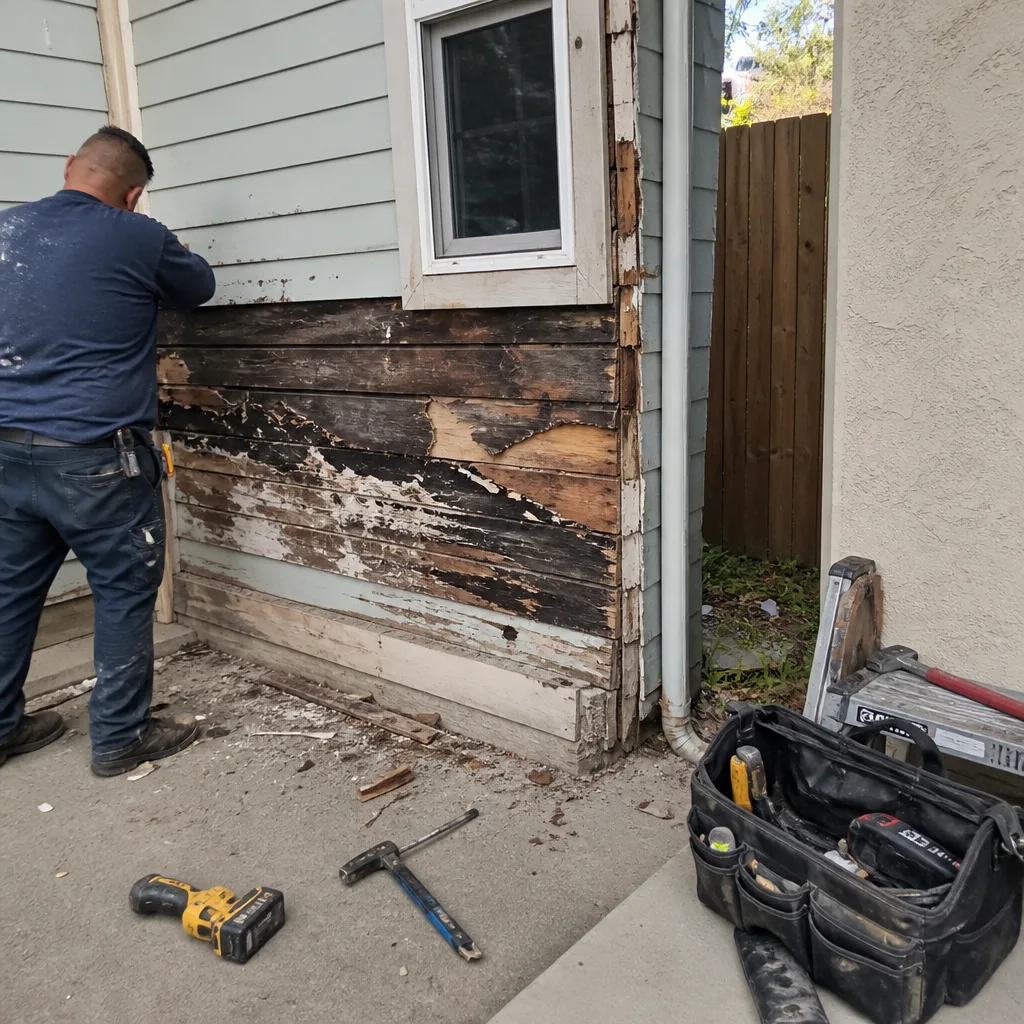 Before
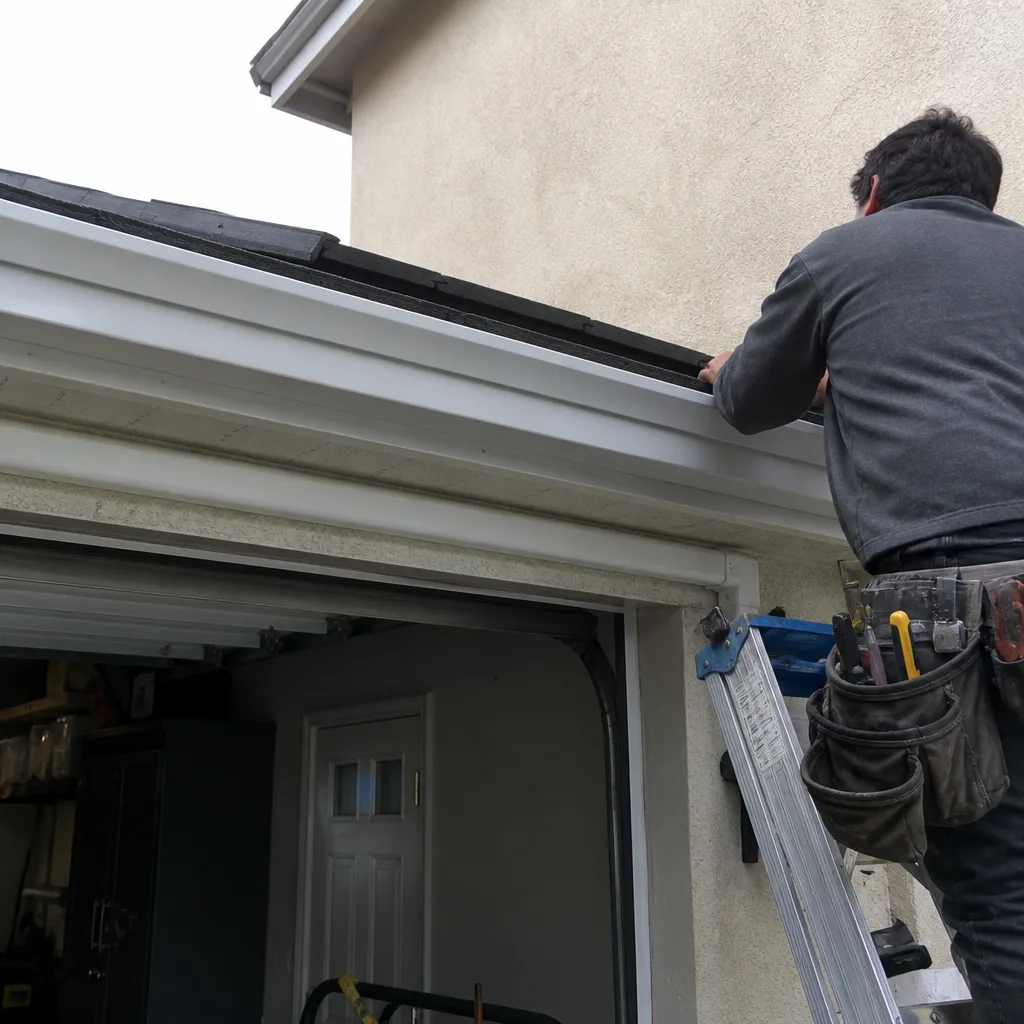 After
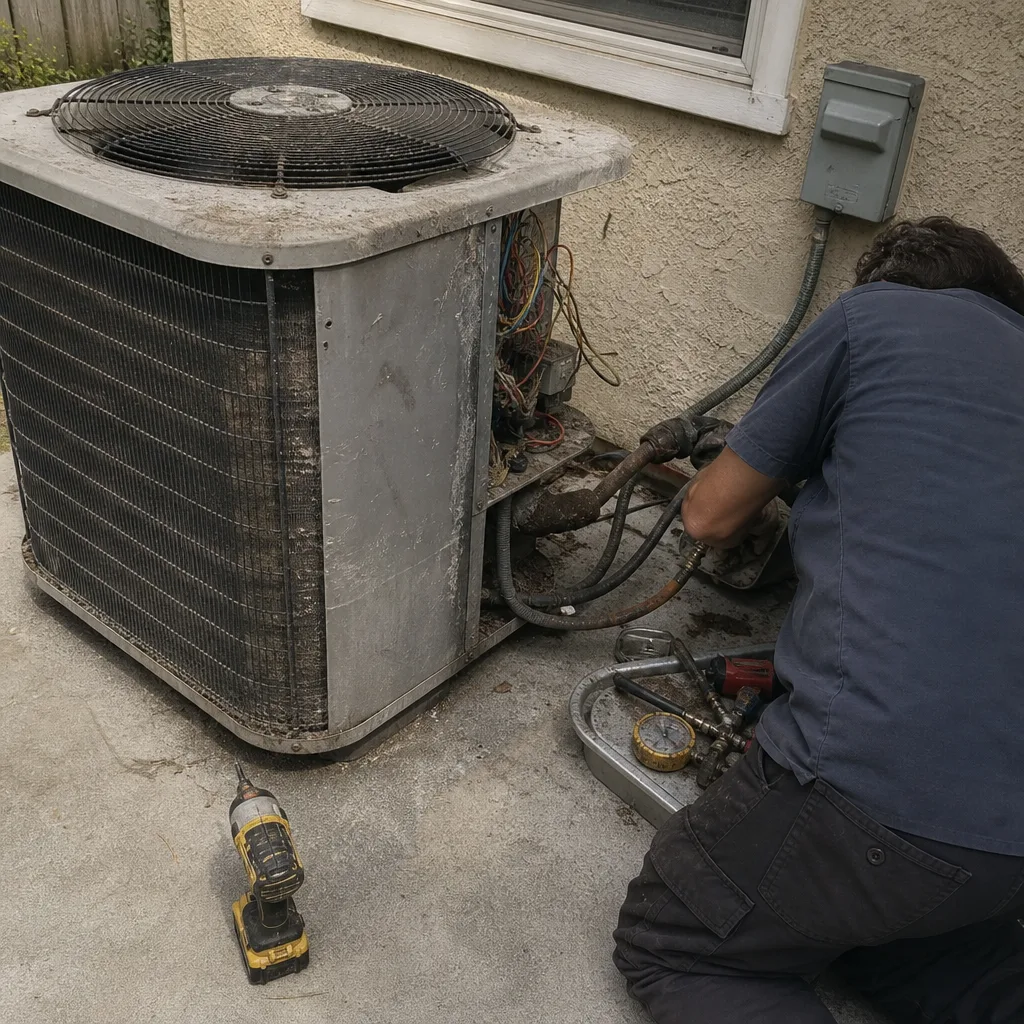 Before
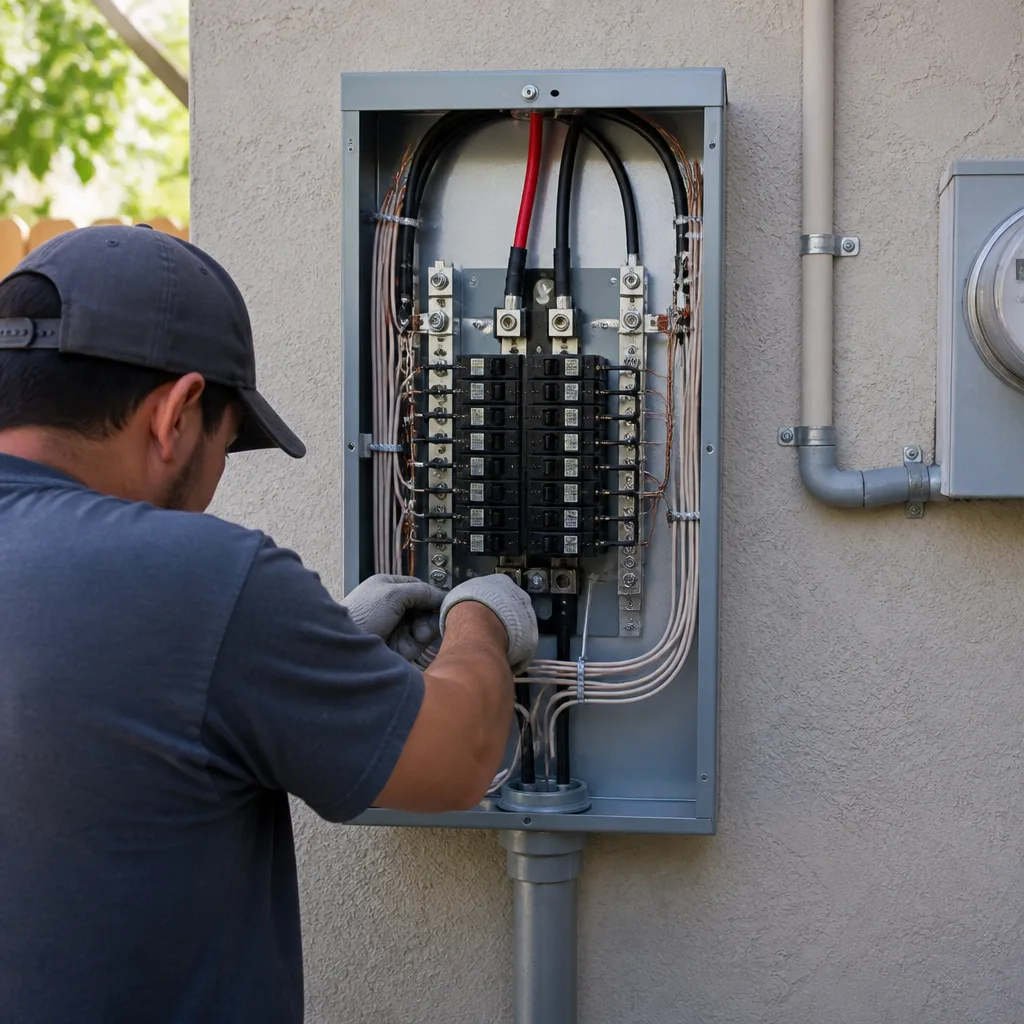 After
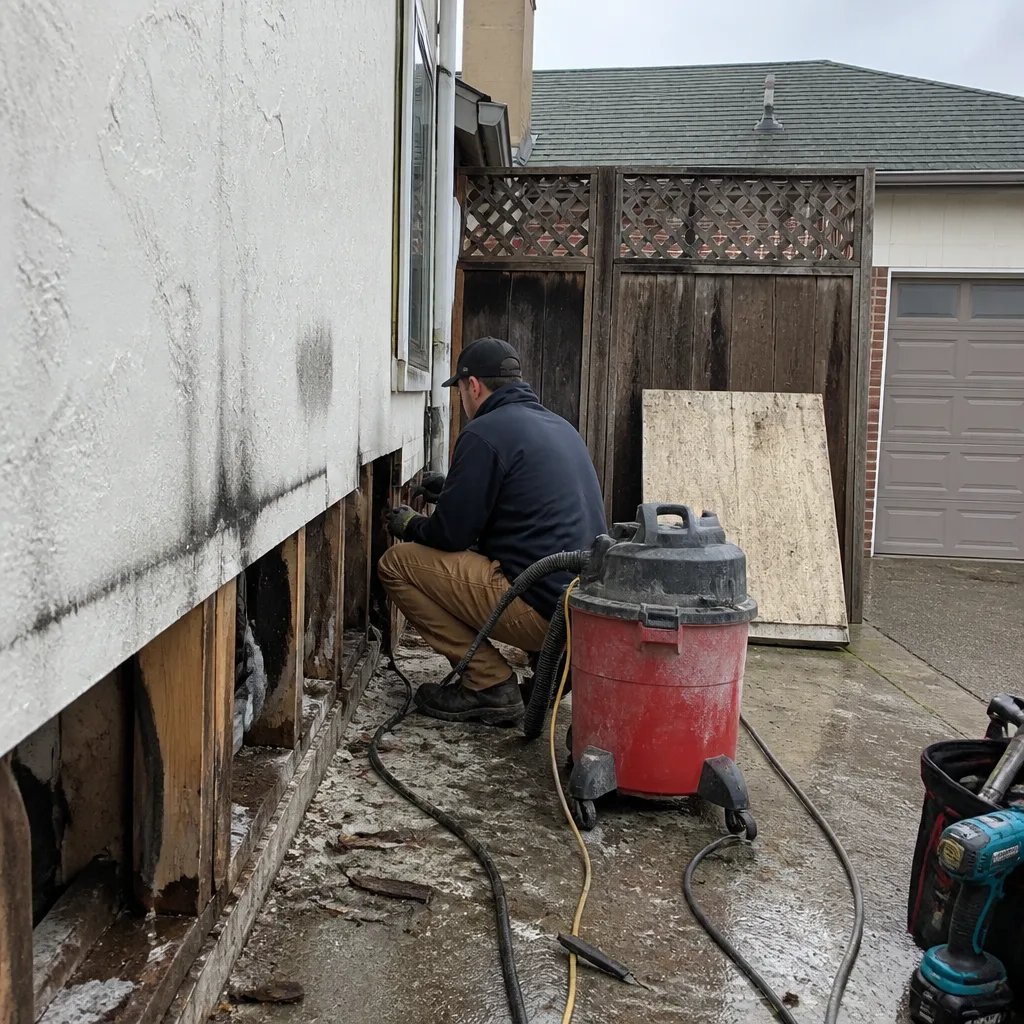 Before
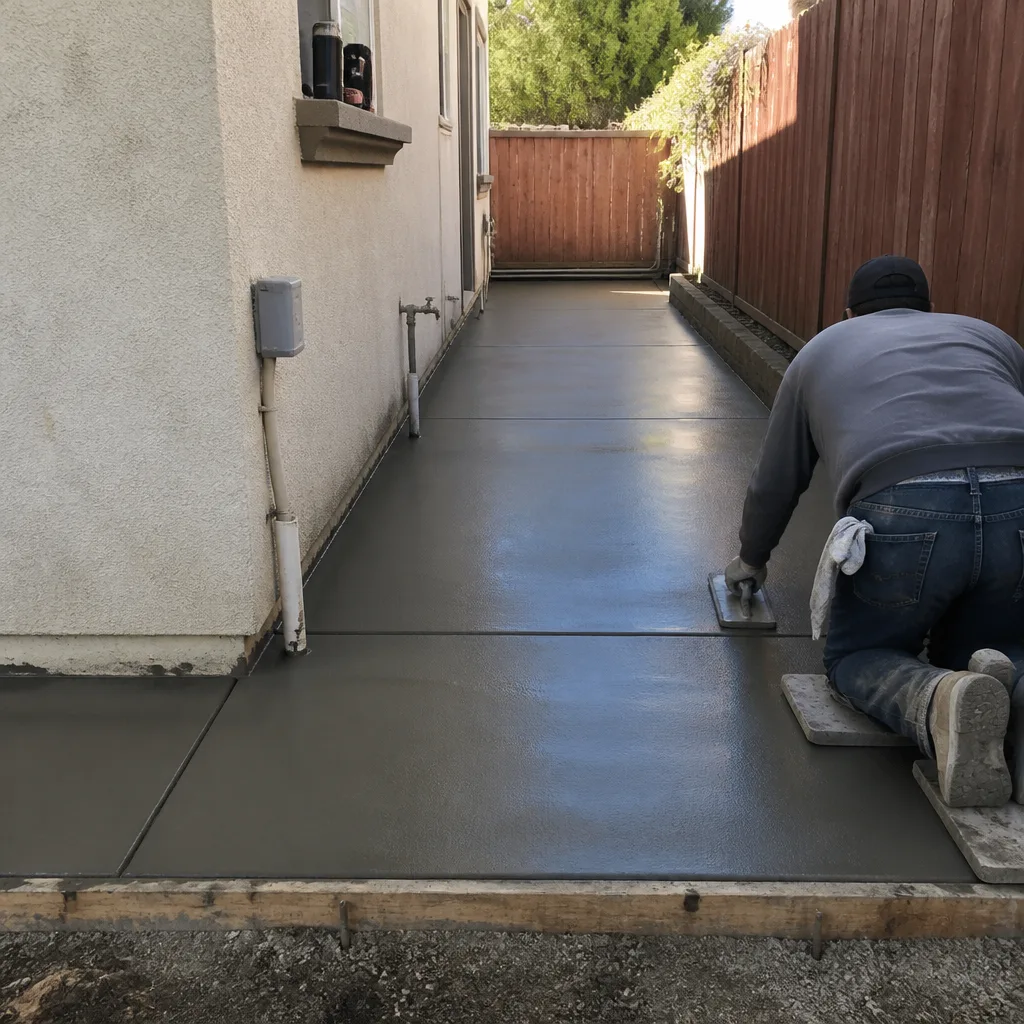 After
When to Call a Professional
You should bring in a professional general contractor when the project involves structural changes, multiple trades that need to coordinate, or work that requires permits and inspections. You should also call one when your current situation has become unmanageable with a single specialist. If you have already had a dispute, if your documentation shows repeated missed commitments, or if the scope has grown beyond what your current contractor can demonstrate experience handling, a consultation is the fastest way to get an honest read on your situation. Brookside Contractors offers free estimates in Morgan Hill, and we are glad to review your project’s current state, whether that means rescuing a stalled remodel or starting fresh with a plan built around accountability. Call (833) 725-3508, or explore more guides & resources on managing your project.
Frequently Asked Questions
Look for three signals: repeated schedule misses without specific explanations, resistance to writing things down, and quality issues that keep getting deferred rather than fixed. None of these alone means the project is doomed, but all three together indicate a management problem that will not fix itself. Document each instance and request a structured conversation.
Yes, you can terminate a contractor for cause, but the process has legal and financial consequences, including potential claims for work performed. Before termination, exhaust the escalation sequence, document everything, and consider a construction consultant’s opinion. If you do terminate, having your documentation in order is what protects you.
Ask for a written change order that specifies the scope, the exact cost, the schedule impact, and requires your signature. If the work is necessary and the price is reasonable, approve it in writing. If the contractor is asking for money outside the change order process, pause payment and request the paperwork. Legitimate adjustments are always documented.
Industry practice in California is to hold back a percentage of each draw, with the final payment, often five to ten percent, due only after the punch list is complete and all lien waivers are received. Your contract should specify this structure explicitly. Do not pay the final draw before the work is actually done.
Most structural, plumbing, electrical, and mechanical work in Morgan Hill requires permits from the City’s building department. Cosmetic work like painting and flooring typically does not. A professional GC should tell you which permits apply to your specific project and factor the permit timeline into the schedule before work begins.
A full-scope GC should offer access to a range of brands, not a single catalog. In our case, that spans everything from KraftMaid to Cambria, Kohler to Toto, and James Hardie to Belgard, across cabinetry, countertops, plumbing, siding, and hardscaping. Your project, your brands, matched to the budget and conditions. Call (833) 725-3508 to discuss your options.
The Bottom Line
Most general contractor problems are not fraud. They are coordination failures, documentation gaps, and communication breakdowns that compound because no single party owns the whole project. The homeowner’s job is not to manage the build; it is to manage the relationship with the person who does. That means weekly documentation, written change orders, conditional lien waivers at every milestone, and a clear escalation sequence when things go wrong. In Morgan Hill, with its specific code requirements, climate pressures, and a competitive subcontractor market, those habits matter even more. Built to your spec, managed from start to final walkthrough: that is the standard the right GC meets, and the one you should hold them to.
Written by the team at Brookside Contractors, serving Morgan Hill since 2011.