
Last updated October 30, 2026
 Home additions & ADU
 Kitchen remodeling
 Bathroom remodeling
 Roofing
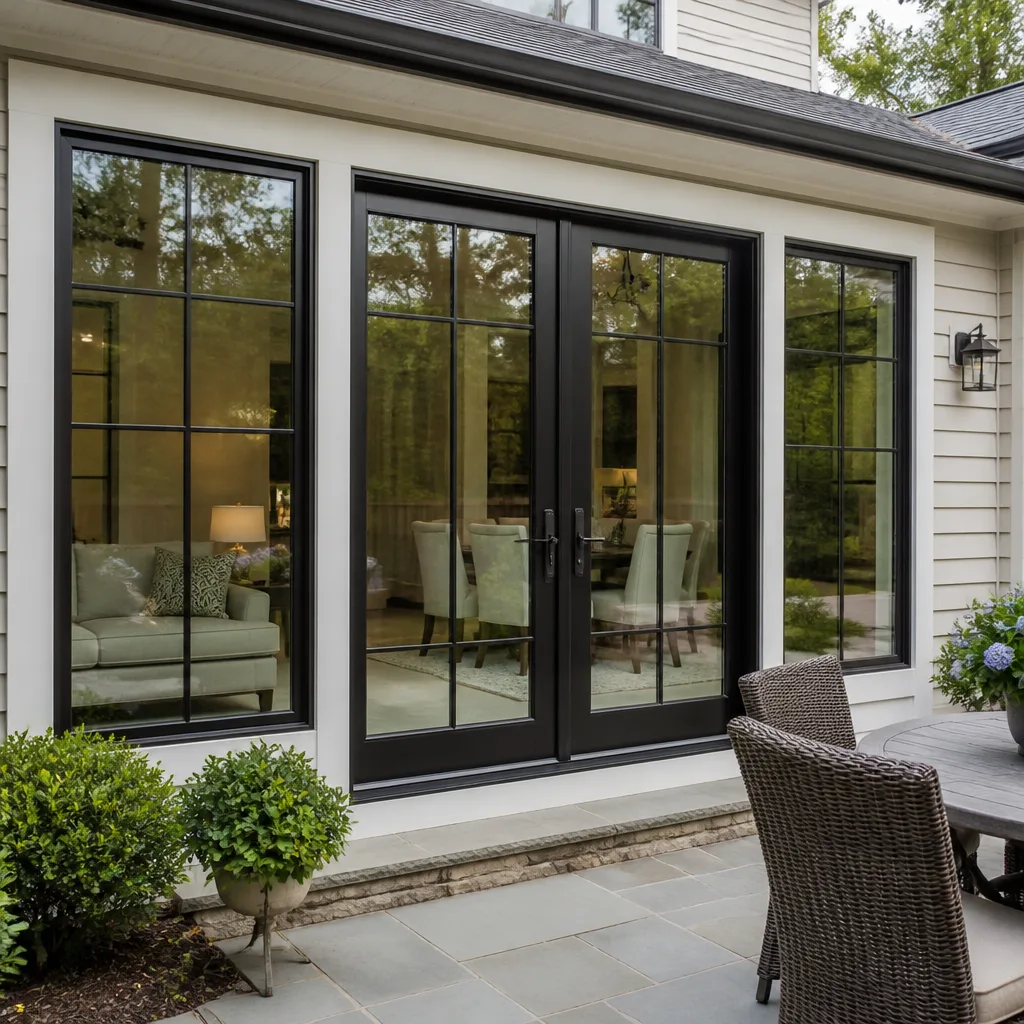 Windows & doors
 Driveway & pavers
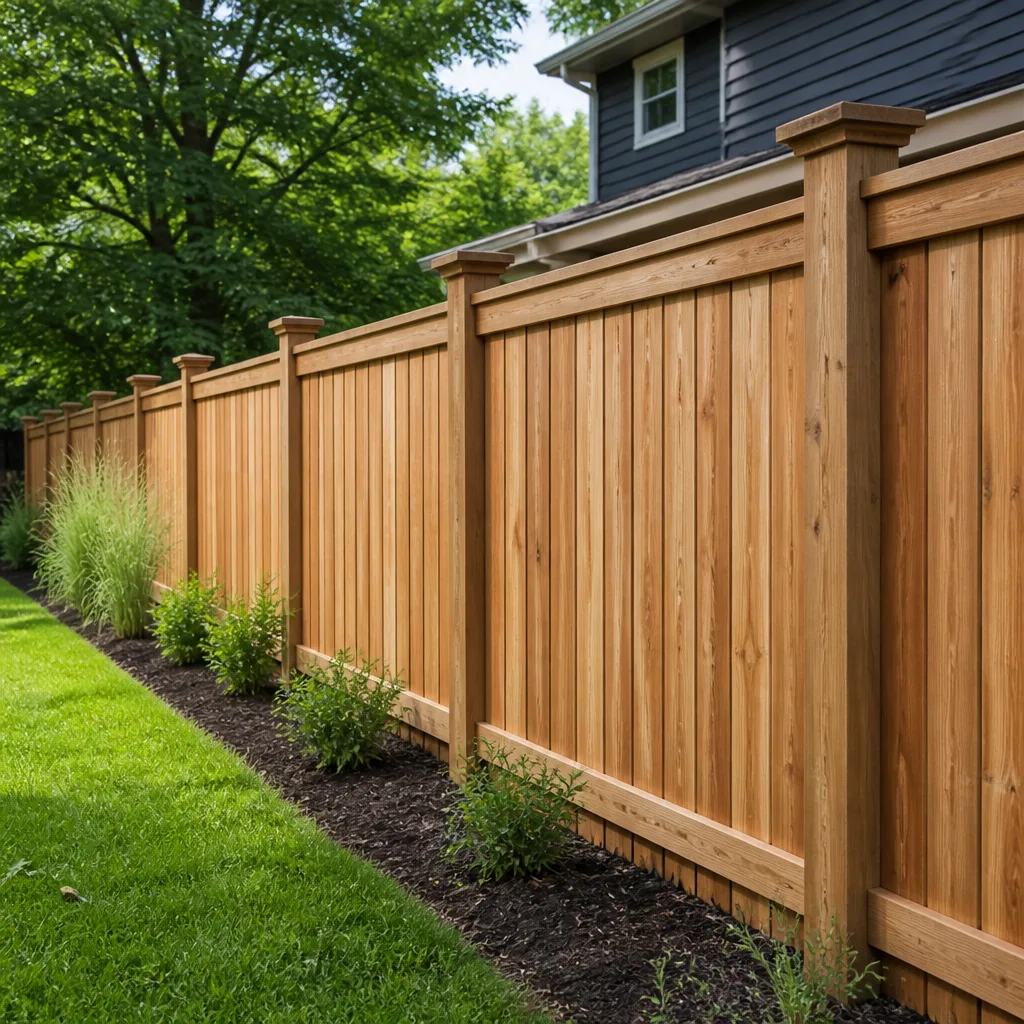 Fence
Free written scope consultation - allowances, timeline, and change-order rules on paper before a single trade is scheduled
Seasonal Construction Care for Morgan Hill: Year-Round Homeowner’s Guide
Morgan Hill regularly hits temperatures that San Jose never sees. That 40-degree swing between a July afternoon and a January morning does measurable work on roofing, exterior paint, and concrete flatwork. If you’ve been following coastal Bay Area maintenance advice, you’ve been missing half the picture. This guide is built around Morgan Hill’s actual inland valley microclimate: the heat that bakes asphalt shingles above 100°F, the frost that creeps into uninsulated crawlspaces on winter mornings, and the clay soil that swells and shrinks beneath your foundation with every wet-dry cycle. For a broader look at local building considerations, see our The Complete Guide to Construction in Morgan Hill. We’ll walk through what to check each season, when to act, and which problems are worth calling a contractor about before they become structural.
Styles & brands we work with
Quick Answer
Seasonal home maintenance in Morgan Hill means timing your inspections around four distinct windows: pre-summer heat checks on roofing and exterior sealants, fall frost preparation for irrigation and HVAC, winter drainage and grading work on clay soils, and spring moisture inspections after the rains. The most expensive repairs we see come from skipped fall drainage checks and ignored summer roof ventilation. A consistent seasonal rhythm costs a few hundred dollars a year in prevention and avoids five-figure structural repairs.
Table of Contents
- Summer Heat Preparation: What Morgan Hill’s Inland Valley Does to Your Home
- Fall Frost Window: Timing Your Pre-Cold Season Tasks
- Winter Wet-Season Prep: Clay Soil, Drainage, and Foundation Protection
- Spring Inspection Priorities: What Winter Rains Left Behind
- How to Schedule Contractors Around Morgan Hill’s Demand Peaks
- Building Material Choices That Hold Up in Morgan Hill’s Climate
- Common Mistakes to Avoid
- When to Call a Professional
- Frequently Asked Questions
- The Bottom Line
Summer Heat Preparation: What Morgan Hill’s Inland Valley Does to Your Home
Morgan Hill sits in a thermal pocket that coastal cities like Santa Cruz and Half Moon Bay never experience. July and August routinely push past 95°F, with heat waves breaking 100°F for consecutive days. Your home’s exterior materials are engineered for temperature ranges, and sustained heat above that range accelerates degradation in predictable ways. Asphalt roofing shingles soften and become more susceptible to granule loss when surface temperatures exceed 140°F, which happens easily on dark roofs in direct Morgan Hill sun. Composite decking expands and contracts more than the manufacturer’s coastal rating assumes, which means fasteners loosen faster here than they would in Los Gatos. Exterior caulk dries out and cracks within two to three summers, opening gaps around windows, doors, and trim joints that let hot air in and conditioned air out.
Here’s what to do each spring before the first heat wave hits:
- Inspect roof flashing and shingle edges from the ground or with binoculars. Look for curling at the edges, which indicates the shingle’s adhesive strip has begun to fail under heat cycling. Dark granule dust in your gutters is another early warning sign.
- Check attic ventilation. If your attic temperature climbs above 130°F, your shingles are likely getting close to that 140°F surface threshold. Ridge vents, soffit vents, and powered attic fans all need to be clear of debris and functioning. A hot attic also drives cooling costs up by 20-30% in Morgan Hill summers.
- Walk your exterior caulk lines. Run a finger along the sealant around windows, doors, and exterior trim. If it feels brittle, crumbly, or has shrunk back from the surface, it’s time to recaulk. Silicone-based sealants last longer in high-heat environments than acrylic latex.
- Check composite deck fasteners. Walk the deck and note any boards that shift or squeak more than they did last year. Composite decking expands significantly in Morgan Hill heat, and the fasteners specified for coastal installations often can’t hold the movement. Re-tightening or replacing fasteners before boards warp permanently saves the cost of a full deck reinstallation.
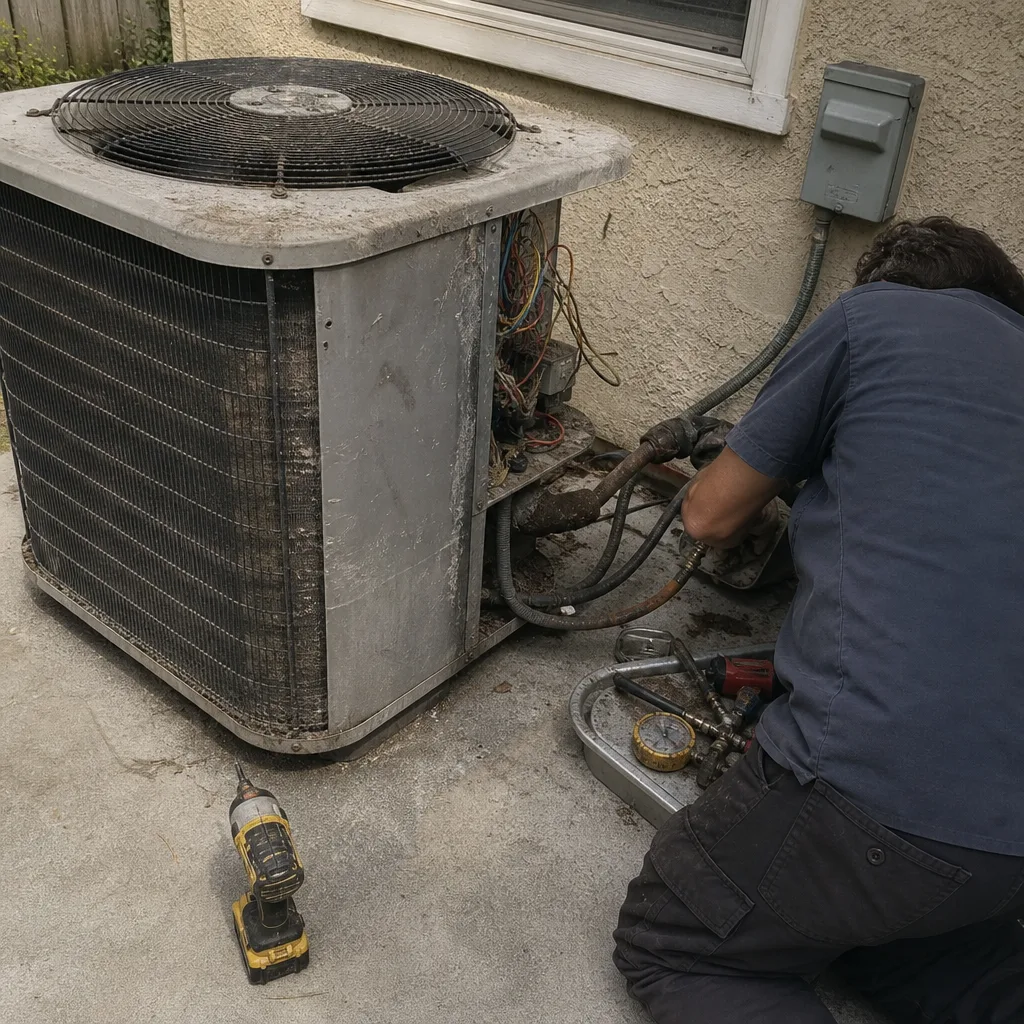
- Service your air conditioning before you need it. The worst week to find out your AC is struggling is the third day of a 102°F stretch when every HVAC company in Morgan Hill is booked out two weeks. Have the condenser coils cleaned and refrigerant levels checked in April or early May.
Fall Frost Window: Timing Your Pre-Cold Season Tasks
Morgan Hill’s first frost typically arrives between late November and mid-December, but the preparation window starts much earlier. The critical window is mid-October through early November, before nighttime temperatures consistently dip below 40°F. Once frost sets in, several materials become difficult or impossible to work with: exterior paint requires temperatures above 50°F to cure properly, concrete needs consistent warmth to set without cracking, and caulk loses adhesion when applied in cold conditions. You have roughly a six-week window to complete exterior work before the cold sets in for the season.
Priority tasks before the first frost:
- Blow out or drain irrigation systems. A single hard frost can split PVC irrigation lines and destroy sprinkler heads. The repair cost is minor compared to the water damage a burst line can cause under a concrete walkway or against a foundation wall. If your system has a drain valve, open it fully. If not, schedule an air blowout before Thanksgiving.
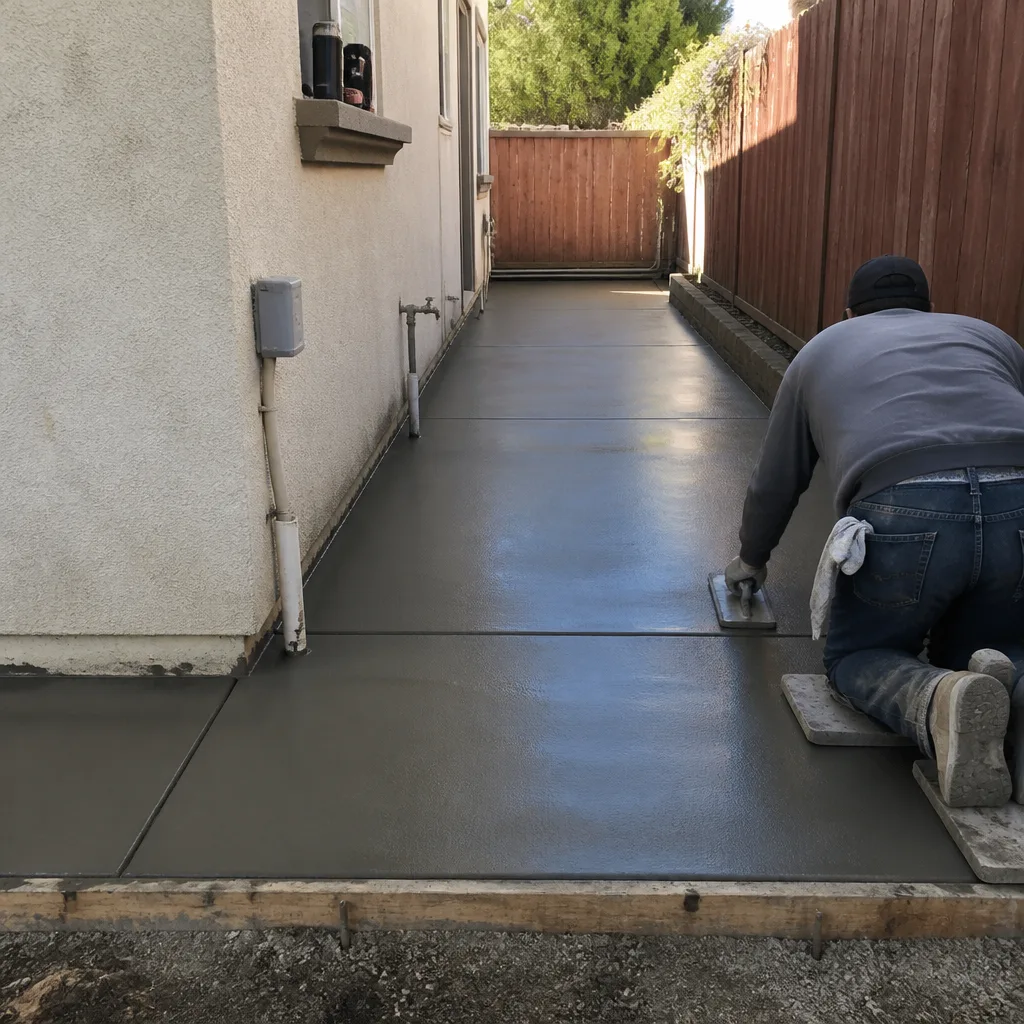
- Seal exposed concrete flatwork. Driveways, walkways, and patios in Morgan Hill absorb water during winter rains, and that water expands when it freezes on cold mornings. Unsealed concrete develops hairline cracks that widen each season. A penetrating silane-siloxane sealer applied in October prevents most freeze-thaw spalling.
- Inspect and clean HVAC condensate lines. Before you switch the system over to heat, flush the condensate drain line. Algae and mineral buildup from summer cooling can clog the line, and the first winter heat cycle can push that back into the system or cause an overflow near the furnace.
- Schedule roof repairs before the rainy season. Roofers in Morgan Hill book up faster than almost any other trade in October and November. If you noticed missing granules, cracked flashing, or lifted shingles during your summer inspection, this is the time to get them fixed. Once the winter rains start, small leaks become interior water damage quickly.
If you’re planning larger exterior renovations, fall is also the right time to line up permits and contractor availability. The home renovation process moves slower during the holidays, but getting approved work scheduled before the frost gives you a head start on spring.
Winter Wet-Season Prep: Clay Soil, Drainage, and Foundation Protection
Morgan Hill sits on expansive clay soils that behave differently than the sandy loam found closer to the coast. Clay absorbs water slowly and expands significantly when saturated. In winter, saturated clay presses against foundation walls and can cause movement, cracking, or moisture intrusion. In summer, the same clay dries out, contracts, and pulls away from the foundation. That shrink-swell cycle is the single biggest driver of foundation issues in Morgan Hill, and it’s invisible until cracks start showing in drywall or doors stop closing properly.
The wet-season prep checklist:
- Walk your property during the first heavy rain. Watch where water flows. It should be moving away from the foundation at every point. Any area where water pools or flows toward the house needs regrading, a French drain, or a surface drain. The ground should slope away from the foundation at a minimum of 6 inches over the first 10 feet.
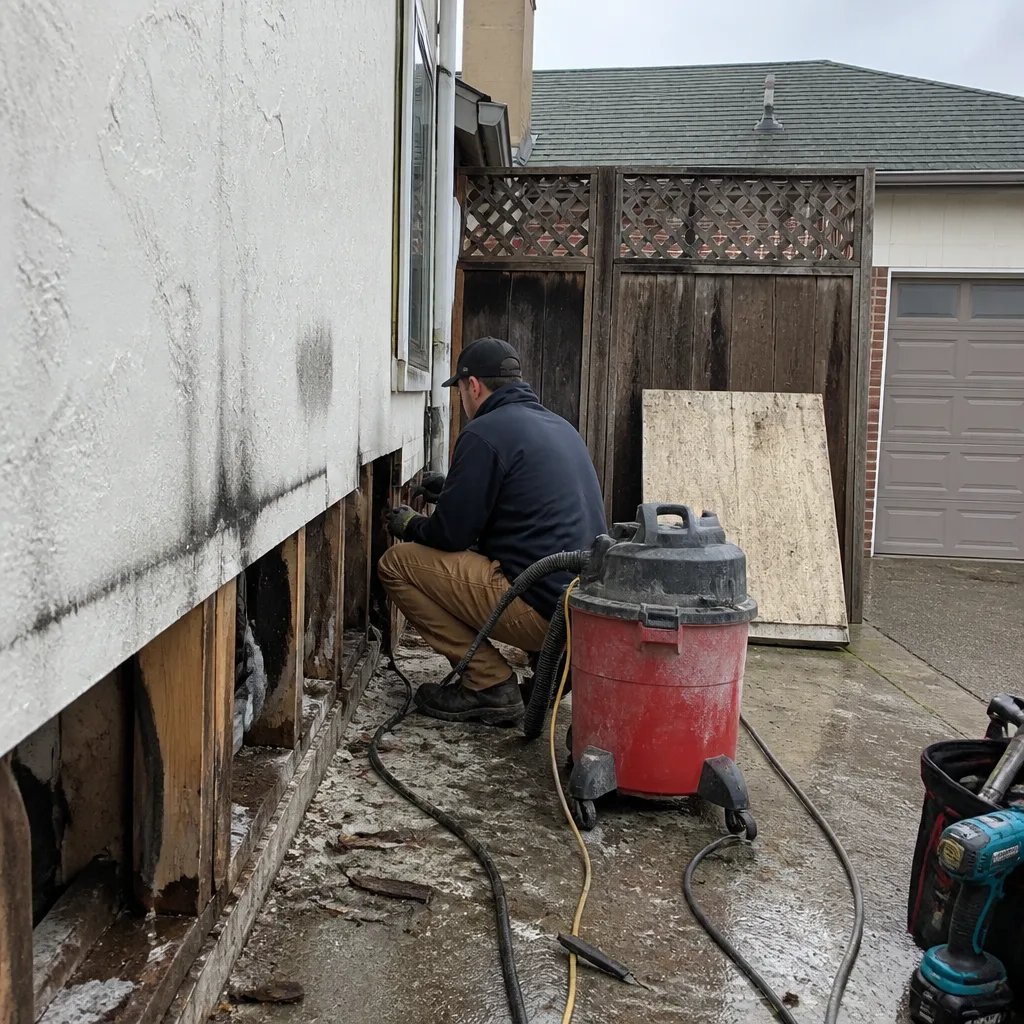
- Clean gutters and downspouts before the rainy season starts. Clogged gutters overflow and dump water directly against the foundation. Downspouts should extend at least 5 feet from the house. For hillside properties, downspout extensions are critical: water released too close to the foundation on a slope will saturate the soil downhill and against the next foundation wall down the drainage path.
- Check crawlspace vapor barriers. Wet winter air plus exposed soil in a crawlspace means moisture wicking up into floor joists and subflooring. The vapor barrier should cover all exposed soil, overlap at seams, and be free of tears. If you’re seeing condensation on ductwork or a musty smell in the house, the barrier isn’t doing its job.
- Inspect exposed foundation walls for existing cracks. Mark any cracks with tape and check them monthly through the rainy season. If a crack is widening, water is likely entering and expanding the clay behind the wall. Hairline cracks that stay hairline are usually cosmetic. Cracks that grow need a structural assessment.
Hillside properties in Morgan Hill have an additional concern: erosion. Heavy rain on slopes without proper vegetation or terracing moves soil downhill, which can undermine fence posts, retaining walls, and shallow foundations. If you notice exposed roots, eroded channels, or soil building up against a downhill fence, address the drainage before the next wet season.
Spring Inspection Priorities: What Winter Rains Left Behind
Once the last frost passes (usually late February to early March in Morgan Hill), the real work begins. Winter is hard on homes here, and almost every problem shows itself in spring. This is also the season when most homeowners discover damage that went unnoticed during the cold months. A systematic spring inspection catches these issues before they compound into summer heat problems or next winter’s structural issues.
What to inspect each spring:
- Stucco and exterior siding. Look for hairline cracks that developed over winter, especially around windows and doors where temperature-related expansion and contraction concentrated stress. Small stucco cracks are normal, but cracks wider than 1/16 inch or cracks that show water staining need attention. Siding should be checked for warping, especially on south-facing walls that get the strongest afternoon sun.
- Fascia boards and roof edges. Fascia is your first line of defense against water entering the roof structure. Check for soft spots, paint peeling, or visible rot where gutters attach. If the fascia is compromised, gutters can pull away from the house, and that redirects water from the roof edge straight down the wall.
- Crawlspace and foundation. Spring is when you’ll see evidence of winter moisture problems. Check the vapor barrier, look for standing water, and inspect the foundation for new cracks. Musty odors in the house usually trace back to the crawlspace.
- Exterior paint condition. Morgan Hill’s combination of summer sun and winter rain accelerates paint failure. Check south-facing and west-facing walls first. These get the most UV exposure and are the first to show chalking, blistering, or peeling. Repainting before the underlying material deteriorates is significantly cheaper than replacing rotted wood or damaged stucco.
- Fences and hardscaping. Winter ground movement shifts fence posts and pavers. Posts that were solid in September can be leaning by March. Pavers may have settled unevenly where the clay beneath them absorbed winter moisture. Most of these issues are fixable with minor re-leveling or post resetting, but ignoring them means the problem compounds.
If you’re planning a spring remodeling project, your spring inspection should feed directly into your project scope. Know what needs repair before you spend on improvements.
How to Schedule Contractors Around Morgan Hill’s Demand Peaks
Morgan Hill’s contractor market runs on a predictable rhythm, and knowing that rhythm saves you both money and frustration. For help selecting the right professional, read Choosing the Right Construction Brand: A Buyer’s Guide for Morgan Hill. Spring and fall are the two busiest booking windows. Spring demand is driven by tax-return-funded projects and the post-winter discovery of repairs. Fall demand is driven by homeowners wanting work done before the holidays and before winter weather can delay exterior projects. During these peak windows, the best contractors in Morgan Hill are booked out 8 to 12 weeks in advance.
What this means for your planning:
- Book spring work in January or February. If you want a spring roofing replacement, bathroom remodel, or exterior painting project, get on the schedule during the winter. By the time the weather is perfect in March and April, the most reliable crews are already committed.
- Book fall work in July or August. Fall is prime season for exterior work because temperatures are moderate and rain hasn’t started. Contractors know this, and their fall books fill during summer. Mid-July is not too early to start lining up an October project.
- Winter is the off-peak opportunity. Interior projects (kitchen remodels, bathroom work, flooring, drywall) can be done year-round, and winter demand dips after the holiday rush. Contractors often have more scheduling flexibility in January and February, and material suppliers sometimes run end-of-year promotions that can reduce costs.
- Emergency repairs don’t follow the calendar. A roof leak during a January storm or a burst pipe in December cannot wait for the “right season.” Budget for emergencies separately from planned improvements, because when they happen, timing is no longer in your control.
The single most effective thing you can do to avoid the scheduling crunch is to have a working relationship with a contractor before you need one. If a general contractor already knows your property, you’re more likely to get scheduling priority when you call in a pinch. More importantly, that contractor can flag issues during routine inspections rather than discovering them mid-project.
Building Material Choices That Hold Up in Morgan Hill’s Climate
When you do need to replace materials, the choices you make have a direct impact on how much maintenance you’ll face down the road. Morgan Hill’s climate demands materials rated for high heat, freeze-thaw cycles, and clay soil movement. Some materials that perform beautifully in coastal California fail quickly here. Others are worth the premium because they eliminate a maintenance task entirely.
For roofing, consider the heat reality. Dark asphalt shingles absorb solar radiation and can push surface temperatures past 150°F on summer afternoons. Lighter-colored shingles or cool-roof rated products reduce that thermal load, which extends shingle life and lowers attic temperatures. Proper ventilation is non-negotiable regardless of shingle color.
For exterior siding, the Morgan Hill sun is relentless on the south and west sides. Vinyl siding can warp under sustained heat. James Hardie fiber cement handles thermal cycling better than most materials and holds paint longer. If you’re replacing siding, the extra cost of fiber cement buys years of maintenance-free performance in this climate.
For windows and doors, the temperature swings between a 35°F January morning and a 100°F July afternoon put real stress on seals and frames. This is one area where the product quality tier matters. Lower-end vinyl windows will lose their seal integrity faster in Morgan Hill than they would in a milder climate. Investing in a quality window line with stronger thermal ratings pays off in both durability and energy savings.
For bathroom and wet-area fixtures, Morgan Hill’s hard water creates mineral buildup that wears on plumbing fixtures. We’ve seen homes with fixtures from Toto and American Standard that are still functioning smoothly a decade in because they were specified for hard water conditions. If you’re remodeling a bathroom, fixture quality and finishes matter more here than in softer-water coastal communities. Our approach at Brookside Contractors is to match materials to the specific project, not to push whatever is convenient. A Morgan Hill home has different demands than a Los Gatos home, even 20 miles apart.
For hardscaping, the freeze-thaw cycle is the deciding factor. Concrete pavers and poured concrete both handle Morgan Hill conditions well when properly installed with the right base. The base is what fails, not the surface material. A properly compacted base with adequate drainage will hold up through freeze-thaw. A shortcut base will heave and settle within a few seasons.
Common Mistakes to Avoid
- Following Bay Area coastal maintenance schedules. Morgan Hill is not San Francisco. The frost is harder, the summer is hotter, and the tools and products that work in a marine climate often underperform here. Use a Morgan Hill-specific calendar.
- Skipping the fall drainage check. We see more foundation issues traced back to clogged gutters and improper grading than any other single cause. It takes an hour to check, and the repair costs fractions of a penny on the dollar compared to foundation repair.
- Ignoring attic ventilation because “it’s just a hot attic.” A hot attic isn’t just a discomfort problem. It’s actively shortening your roof’s lifespan and raising your cooling bills. Ridge vents, soffit ventilation, and powered attic fans are inexpensive compared to a premature roof replacement.
- Waiting until summer to discover your AC is failing. By the time the first heat wave hits Morgan Hill, HVAC companies are already booked out. Check your system in April. It costs less and avoids the uncomfortable wait.
- Applying exterior paint or caulk in cold weather. Paint needs 50°F to cure properly, and caulk needs above 40°F for proper adhesion. If you apply these in late fall or winter, they’ll fail prematurely and you’ll be doing the job again in the spring.
- Putting off marking and monitoring foundation cracks. A crack you don’t track is a crack that takes you by surprise. Mark it, measure it, and check it monthly. If it moves, you know. If it doesn’t, you’ve saved yourself the cost of an unnecessary structural assessment.
- Not budgeting for maintenance annually. Homes in Morgan Hill require ongoing investment. Set aside 1-2% of your home’s value each year for maintenance and repairs. The homes that fall into disrepair are the ones where owners treated maintenance as optional.
When to Call a Professional
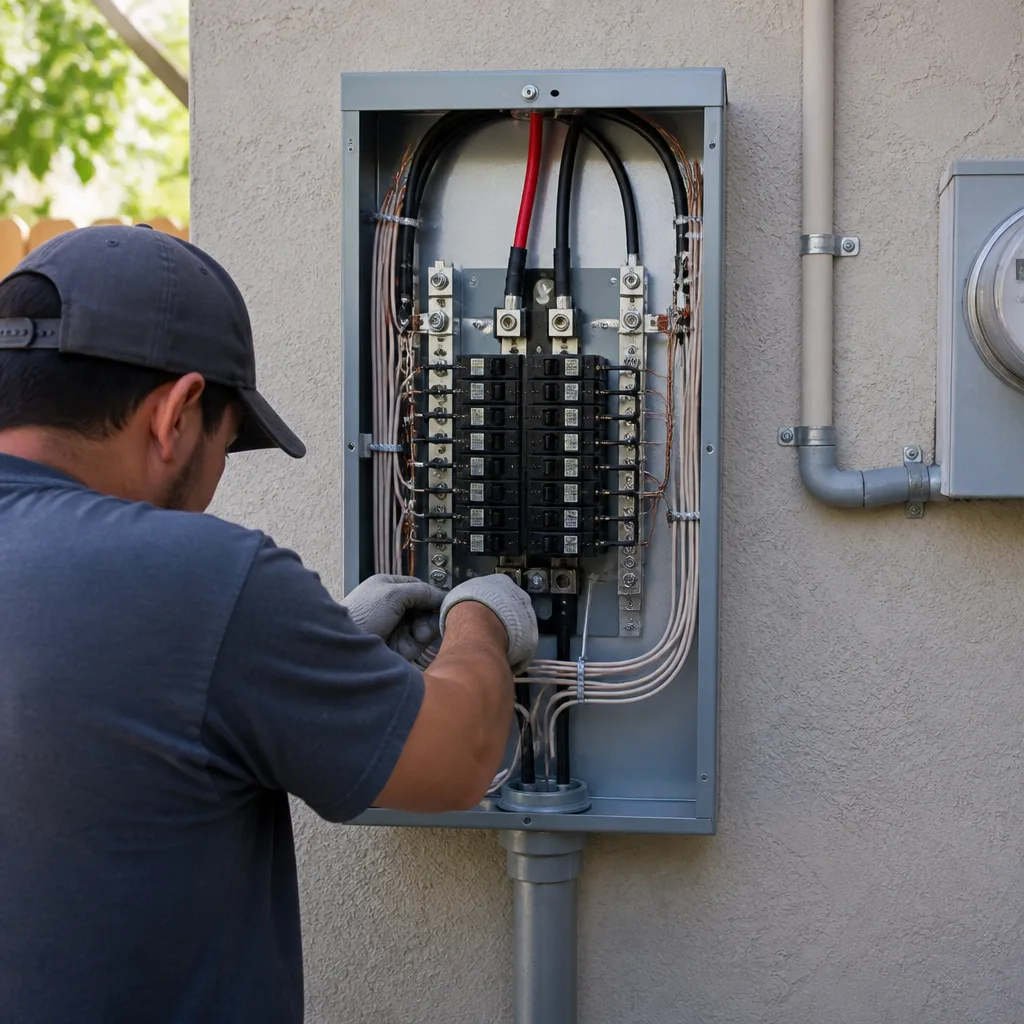
Many seasonal maintenance tasks are DIY-friendly. Others are not, and knowing the difference prevents injuries and expensive mistakes. Call a professional if you notice any of the following: a foundation crack that’s widening, water entering the crawlspace or basement, a roof with multiple curling or missing shingles, visible rot on fascia or trim boards, a deck with loose connections between the deck and the house, or any electrical work related to fans, lighting, or HVAC. Ladder work over one story is also worth handing off: the fall risks are real, and professional crews carry the right equipment and insurance. Brookside Contractors offers free estimates in Morgan Hill. Call (833) 725-3508 to schedule a seasonal inspection or discuss a repair.
Frequently Asked Questions
Inspect your roof twice a year: once in spring after the rainy season ends and once in fall before the next rainy season begins. Morgan Hill’s extreme summer heat and winter rain cycle makes twice-yearly inspections the minimum for catching shingle damage, flashing failures, and ventilation issues before they cause interior damage. If you notice dark granule dust in your gutters or curling shingle edges during either inspection, call a professional for a closer look. Brookside Contractors offers free roof assessments in Morgan Hill at (833) 725-3508.
The best window for exterior painting in Morgan Hill is late spring through early fall, roughly April through early October. You need temperatures above 50°F for proper paint curing, which rules out most of winter. You also want to avoid the peak summer heat waves above 95°F, which cause paint to dry too fast and lose adhesion. Aim for May-June or September-October when daytime temperatures are consistently in the 60s to 80s. Book your painter 6-8 weeks ahead to get this window.
Budget $800-$1,500 per year for routine seasonal maintenance if you’re doing basic tasks like gutter cleaning, caulking, and inspections yourself. If you hire out for roof inspections, irrigation blowouts, HVAC service, and minor repairs, expect $2,000-$4,000 per year. Homes on hillside lots with erosion-prone drainage typically run higher. Large-ticket items (roof replacement, foundation work, full repaints) are separate capital expenses, not part of the annual maintenance budget.
Yes, and it’s one of the most common structural issues we see in Morgan Hill homes. The expansive clay soil absorbs water in winter, expands, and puts pressure on foundation walls. In summer, the same soil dries out, contracts, and pulls away from the foundation. That repeated shrink-swell cycle causes subtle movement that shows up as drywall cracks, sticking doors, and, in serious cases, visible foundation cracks. Proper drainage and grading dramatically reduce the problem. If you’re seeing cracks, call for an assessment before the problem worsens at (833) 725-3508.
Most asphalt shingle roofs in Morgan Hill last 18-25 years, but the heat exposure on south-facing slopes can shorten that to 15-20 years. Look for curling shingle edges, extensive granule loss, bare patches, or shingles that are no longer lying flat. If your roof is over 20 years old and showing any of these signs, start planning for replacement rather than repeated patching. The best time to replace is spring or fall, and you’ll want to book 2-3 months ahead to get a good contractor. For more on working with local pros, see The Complete General Contractor Guide for Morgan Hill Homeowners.
No. Freeze-resistant sprinkler heads help with the above-ground components, but the real damage happens underground. Water sitting in PVC lines and fittings freezes and expands, which is what causes cracked pipes and broken connections. Morgan Hill gets enough frost mornings each winter to make blowouts necessary. The cost of an annual blowout (typically $75-$150) is trivial compared to repairing a cracked underground line that’s been leaking all spring without you knowing it.
The Bottom Line
Morgan Hill homes need a maintenance rhythm that matches the inland valley climate, not a generic California template. Summer heat demands attention to roofing, ventilation, and exterior sealants. Fall requires frost protection for irrigation, concrete, and HVAC. Winter is all about drainage and keeping clay soil moisture away from foundations. Spring is inspection season, when winter’s damage reveals itself and you make the call on repairs versus replacement. Time your contractor bookings around the spring and fall peaks, budget for maintenance every single year, and don’t wait for small problems to become structural ones. A proactive seasonal routine costs a fraction of what reactive repairs cost.
Written by the team at Brookside Contractors, serving Morgan Hill since 2011.
See the difference
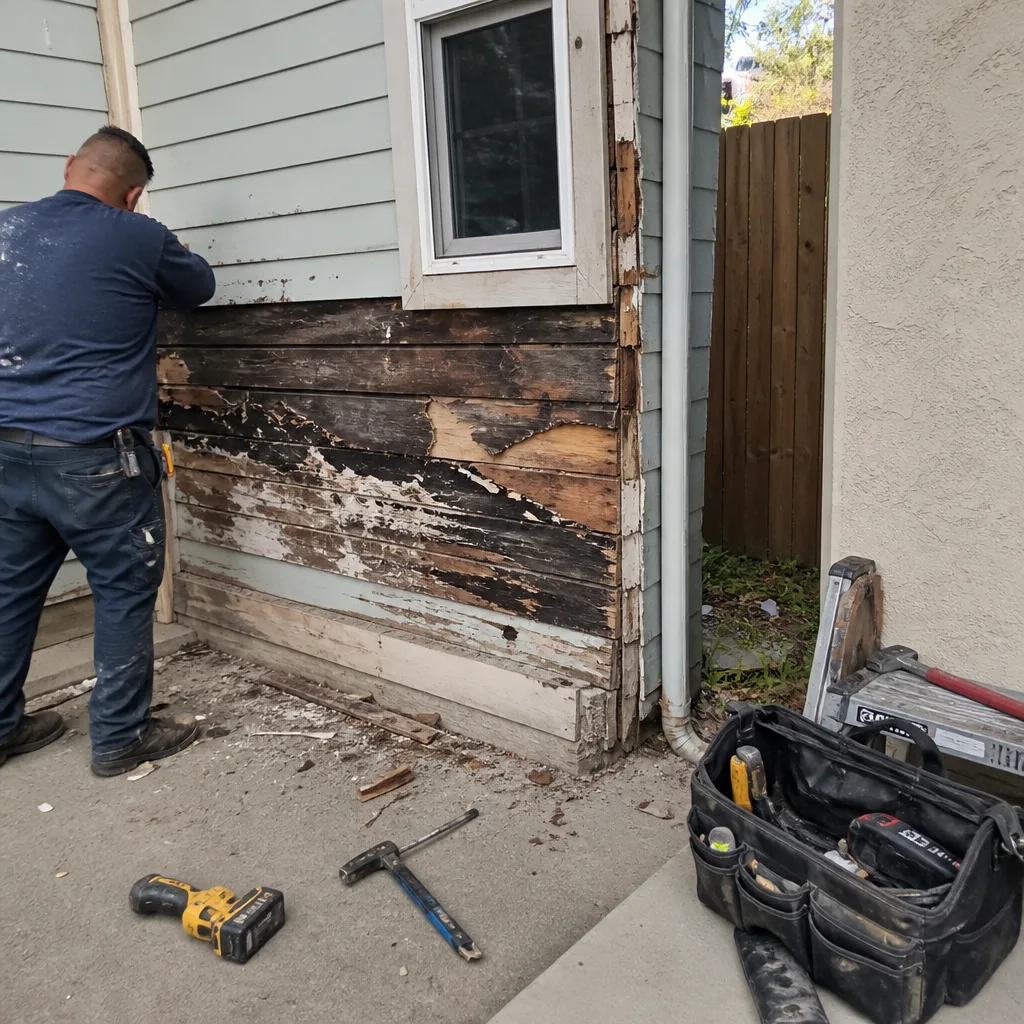 Before
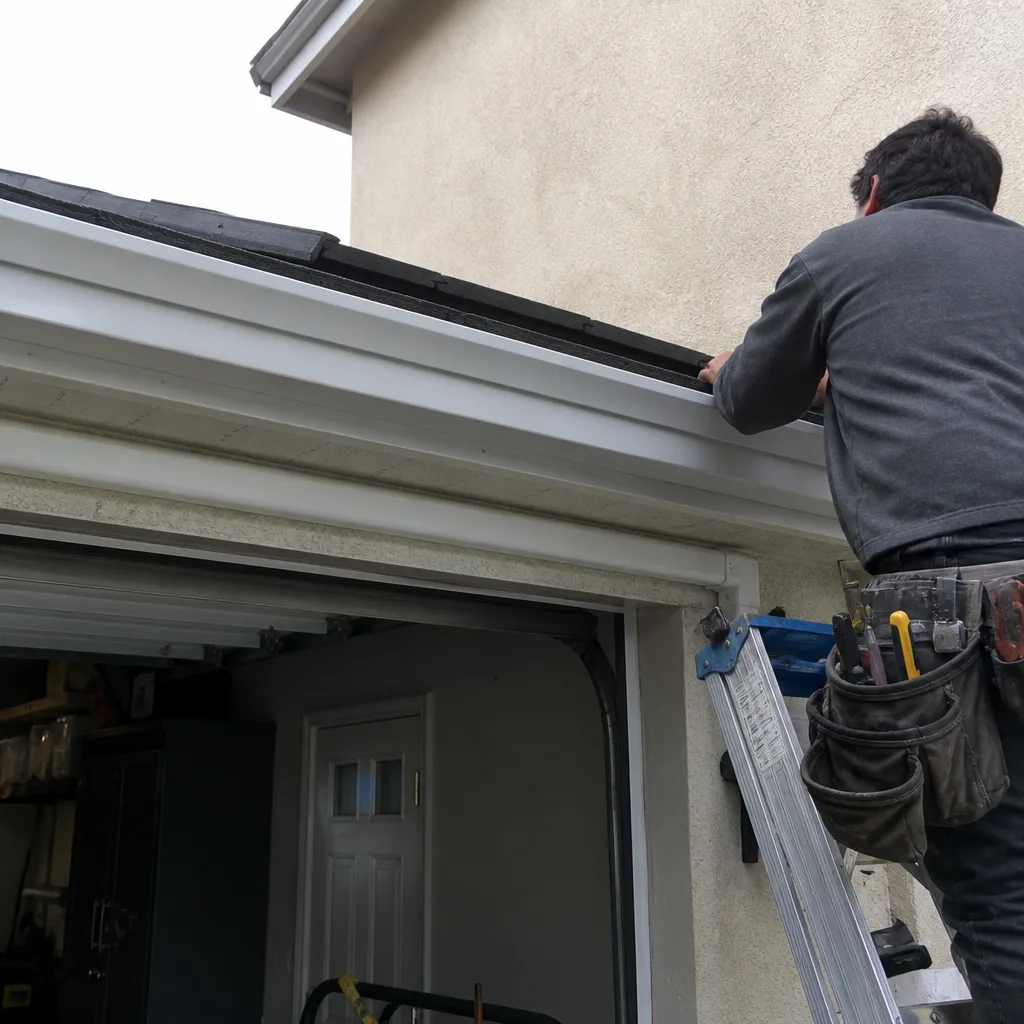 After
 Before
 After
 Before
 After