
Last updated October 30, 2026
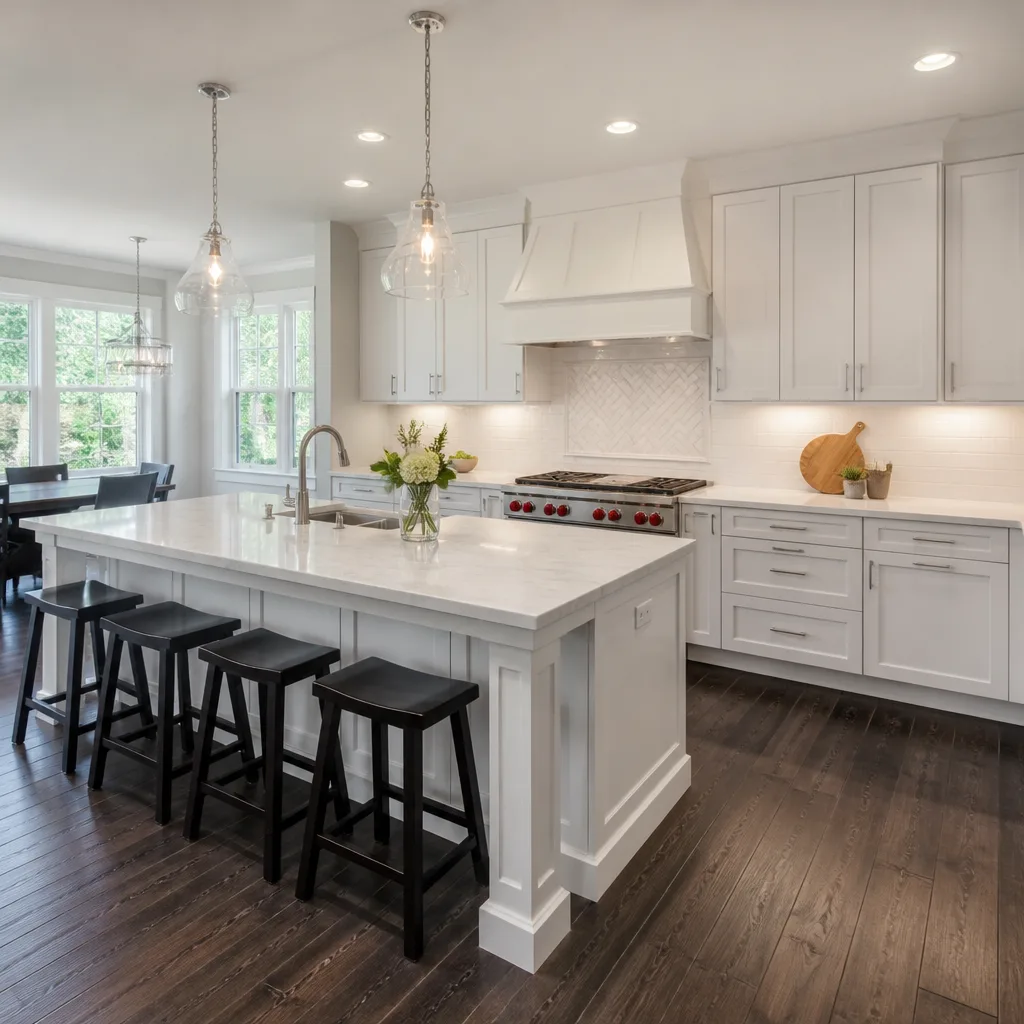 Kitchen remodeling
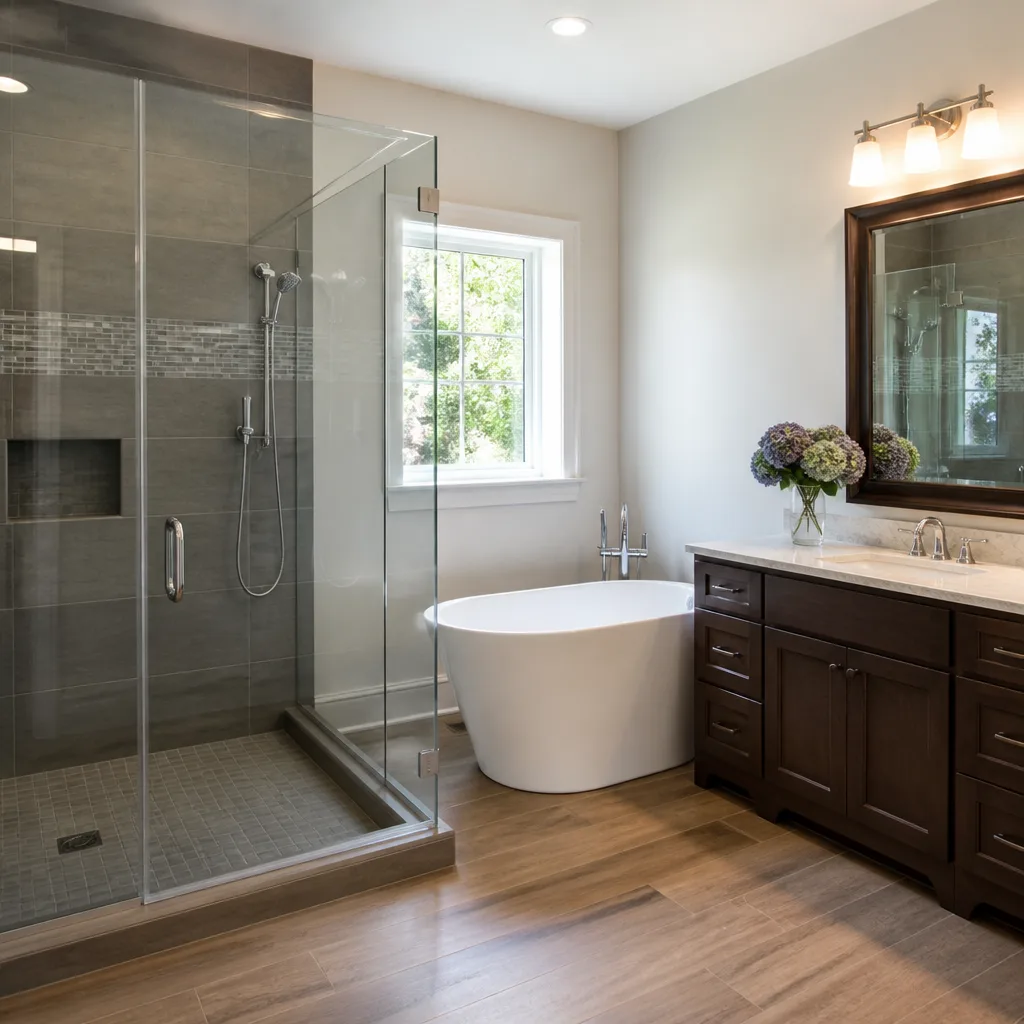 Bathroom remodeling
 Home additions & ADU
 Roofing
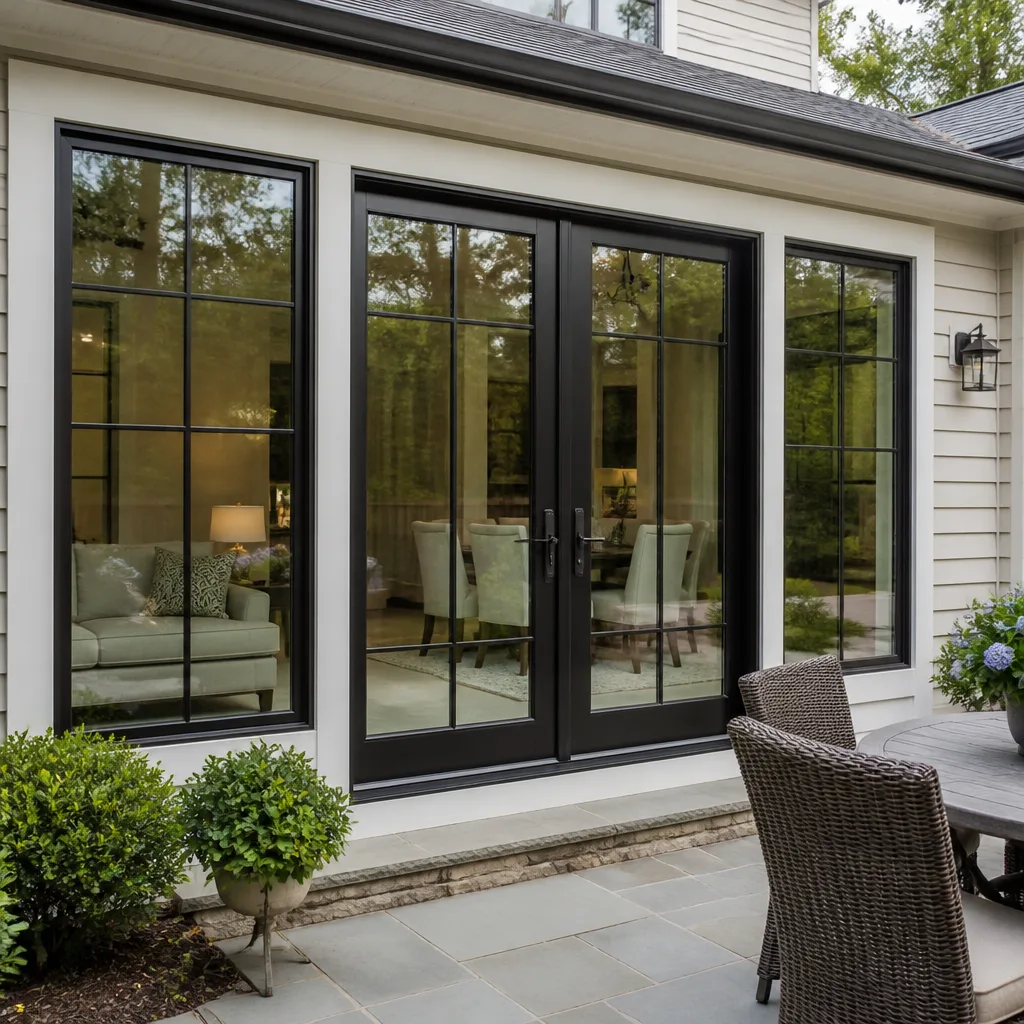 Windows & doors
 Driveway & pavers
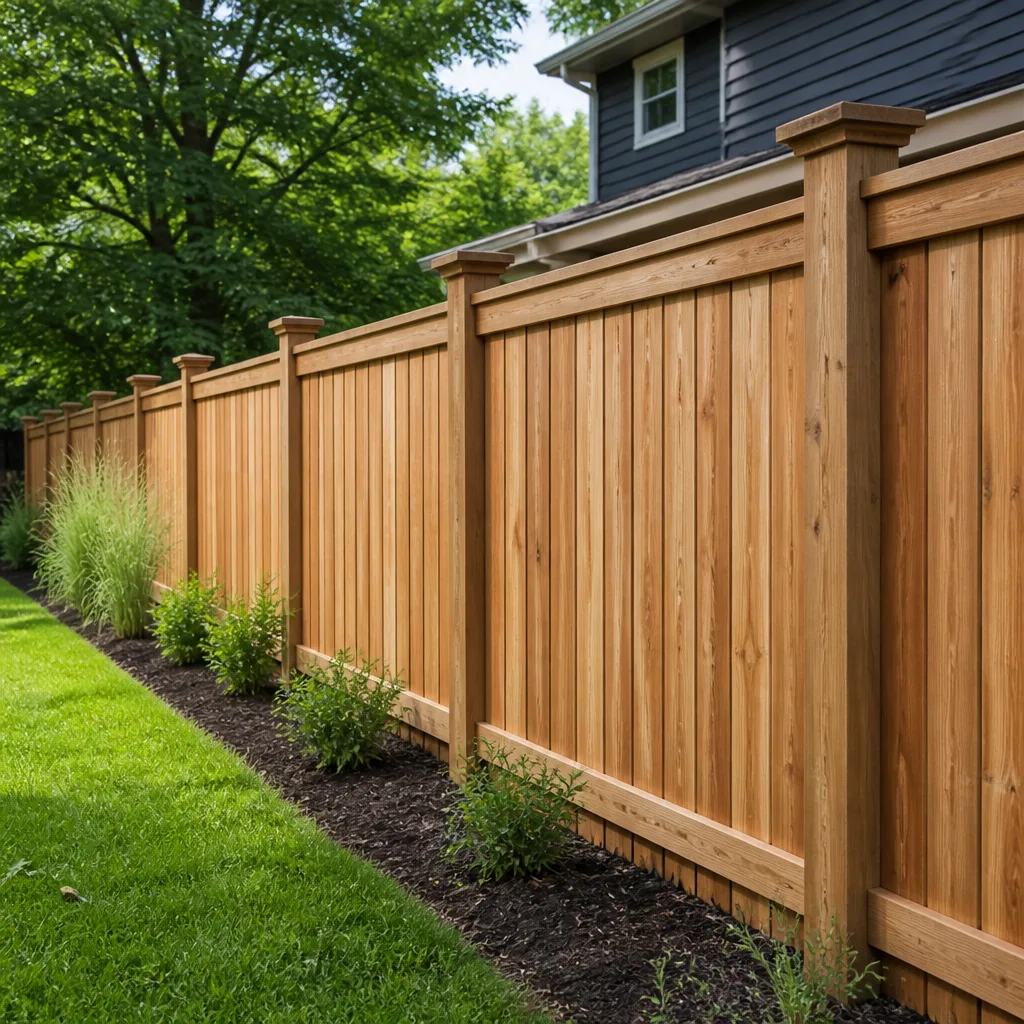 Fence
Free written scope consultation - allowances, timeline, and change-order rules on paper before a single trade is scheduled
How to Hire a Construction Contractor in Morgan Hill: A Step-by-Step Guide
Most Morgan Hill homeowners who’ve had a bad contractor experience will tell you the contractor seemed perfectly qualified on paper – licensed, insured, good reviews. The problem wasn’t credentials; it was that nobody owned the handoffs between trades. The kitchen cabinet installer blamed the drywall crew. The drywall crew blamed the electrician. And the homeowner was stuck in the middle, arbitrating disputes between people who all technically did their jobs but no one managed the whole. This guide reframes contractor hiring around the skill that actually predicts project success: evaluating how a contractor manages coordination, not just whether they hold a license. For The Complete General Contractor Guide for Morgan Hill Homeowners with more depth on vetting and coordination, see our dedicated resource. By the time you finish reading, you’ll know exactly what to ask, what to verify, and which red flags in Morgan Hill should send you walking.
Styles & brands we work with
Quick Answer
To hire a construction contractor in Morgan Hill, verify the CSLB license and workers’ comp first, then evaluate the contractor’s project management structure – who schedules subcontractors, who owns the permit, how change orders are documented, and whether one person is accountable for every phase. Get three detailed bids with matching scope, check references who had similar projects, and confirm timeline feasibility before signing. The contractor who can show you how they coordinate trades is the one who will actually keep your project on schedule.
Table of Contents
- Step 1: Verify the CSLB License, Bond, and Workers’ Comp Before Anything Else
- Step 2: Evaluate Project Management Structure, Not Just Trade Credentials
- Step 3: Run the Subcontractor Relationship Test
- Step 4: Read the Morgan Hill Proposal Like a Contract, Not a Brochure
- Step 5: Assess Timeline Feasibility – The Overextension Red Flags
- Step 6: Compare Bids on Equal Footing – Why the Lowest Bid Is Riskiest
- Step 7: Final Checks Before Signing the Contract
- Common Mistakes to Avoid
- When to Call a Professional
- Frequently Asked Questions
- The Bottom Line
Step 1: Verify the CSLB License, Bond, and Workers’ Comp Before Anything Else
Before you evaluate anyone’s portfolio, before you walk a job site, before you even respond to the first email – verify the license. In California, any construction project over $500 in combined labor and materials requires a Contractor State License Board (CSLB) license. In Morgan Hill, where the median home value sits well above the national average, you’re almost certainly planning a project that exceeds that threshold many times over. Unlicensed contractors are not just a legal risk; they’re a financial one. If an unlicensed worker is injured on your property, your homeowner’s insurance may deny the claim. You could be personally liable.
Here’s how to verify a contractor’s credentials in under ten minutes:
- Get the contractor’s license number. Every legitimate contractor has one, and they’ll give it to you without hesitation. If someone hesitates or says “it’s in my other truck,” that’s your first red flag.
- Go to CSLB.ca.gov and run the license number. The CSLB license lookup is free and public. You’re checking four things: the license is active (not expired, not suspended), the classification matches your project (B = General Building, C-36 = Plumbing, C-10 = Electrical), the business name on the license matches who you’re actually talking to, and the license hasn’t been recently reactivated after a lapse.
- Check the bond status. California requires contractors to carry a $25,000 contractor’s bond. The CSLB page will show whether the bond is active. This bond protects you if the contractor violates the terms of the contract. It’s not a substitute for a performance bond, but it’s the minimum.
- Verify workers’ compensation insurance. If the contractor has employees, they must carry workers’ comp. If they say they’re exempt because they’re a sole proprietor, ask for the CSLB-issued Workers’ Comp Exemption form and verify it’s current. This matters enormously in Morgan Hill: a roofing crew member who falls off a ladder and isn’t covered by workers’ comp can file a claim against your homeowner’s policy.
- Call the bond company to confirm the bond is in force. The bond company name appears on the CSLB page. A two-minute phone call confirms the contractor hasn’t maxed out their bond on a previous claim.
We’ve seen Morgan Hill homeowners skip this step because “the contractor came recommended.” A recommendation is nice. It’s not legal protection. Run the license check every time, even for a contractor your neighbor swears by. The Brookside Contractors home page walks through how we structure our license, insurance, and verification documentation up front, so you never have to ask twice.
Step 2: Evaluate Project Management Structure, Not Just Trade Credentials
Here’s where the standard contractor-hiring advice falls short. Most guides tell you to check licenses, get three bids, read reviews (for more guides & resources on hiring, see our blog). That’s necessary but not sufficient. The real predictor of whether your Morgan Hill remodel goes smoothly is whether the contractor has a genuine system for managing the project – not just the trades they personally perform. A contractor who answers “yes” to the question “do you handle kitchen remodels?” but can’t explain how they sequence the cabinet installation around the countertop template and the plumbing rough-in is telling you something important.
The coordination problem is where remodels break down. A kitchen renovation might involve a demolition crew, a framer, an electrician, a plumber, a drywall installer, a cabinet installer, a countertop fabricator, a tile setter, a painter, and an appliance installer. That’s ten different crews, each with their own schedule, their own dependencies, and their own sense of urgency. When a general contractor acts as a broker – subbing out every trade to the lowest bidder and hoping it all lines up – the homeowner becomes the project manager by default. You don’t want that job. You already have a job.
Here’s what to look for instead:
- Single point of accountability. Ask: “Who owns the schedule? Who do I call if something goes sideways on a Wednesday afternoon?” The answer should be one name, not a phone tree.
- Documented sequencing. A real general contractor can walk you through the project phase by phase – demolition, rough-in, inspection, close-in, finish – and tell you what happens in what order and why.
- In-house project management. Some contractors use a project manager or site superintendent. Others handle it themselves. Either model works; what matters is that the project manager has authority, not just a title.
At Brookside Contractors, we run one contractor across every phase – from structural work through finished surfaces. That means the person who frames your wall is part of the same team that installs your Kohler fixtures, sets your Caesarstone countertops, and coordinates the final inspection. We’ve found this is where coordination failures actually get eliminated: not in the sales pitch, but in the daily reality of who’s accountable for what. Our General Contractor in Los Gatos page details what a full-scope general contracting engagement looks like, including the project management structure.
Step 3: Run the Subcontractor Relationship Test
The quality of a general contractor in Morgan Hill is largely determined by the quality of their subcontractor relationships. A contractor who has worked with the same framing crew for eight years, the same electrical team for five, and the same tile setter for a decade has something a contractor who shops crews by price every job does not: accountability. Subcontractors who want to keep getting called back show up on time, fix their mistakes, and communicate directly with the GC. Subcontractors who know this is a one-off bid have no incentive to protect the relationship.
Here are the questions that separate genuine quality control from brokerage:
- “How long have you worked with your primary subcontractors?” Look for years, not months. A contractor who just assembled a crew for the first time on your kitchen is learning on your dime.
- “What happens when a subcontractor’s work doesn’t meet your standard – or mine?” The answer should involve a punch list, a fix timeline, and the contractor’s willingness to withhold final payment until it’s right. If the contractor shrugs, treats rework like a burden, or blames the sub, that’s a sign they don’t control quality.
- “Who supervises the subcontractors on site?” Is there a lead carpenter or site manager present daily? Or does the contractor only show up when there’s a problem?
- “Do you use written subcontractor agreements?” This might sound like an accountant’s question, but it matters. A GC with written sub agreements has defined scope, defined payment terms, and defined liability for every trade. A GC operating on handshakes with their subs is one dispute away from a stalled project.
Morgan Hill’s construction market is tight. Skilled trades are in demand throughout Santa Clara County, which means contractors who treat their subs well retain their subs, and contractors who treat subs as disposable are constantly churning through new crews. You can hear the difference in how a contractor talks about their subs – with respect and specificity, or with generic phrases like “my guys.” Specificity is the signal. “Jorge’s framing crew has done 40 kitchens with us” is a completely different statement than “we have people for that.”
Step 4: Read the Morgan Hill Proposal Like a Contract, Not a Brochure
A legitimate contractor proposal for a remodel in Morgan Hill is a detailed document, not a one-page estimate. It should specify scope, materials, allowances, exclusions, payment schedule, timeline, and permitting responsibility. The proposal is where you’ll spot most contractor problems before they become your problems, because vague language in the proposal becomes an expensive change order later.
Here are the specific things to verify:
- Permit responsibility is explicit. In Morgan Hill, almost every remodel beyond cosmetic work – new kitchens with plumbing relocation, bathroom remodels with moving walls, re-roofing, window replacement, ADU construction – requires city permits. The proposal should state exactly who pulls the permits (it should be the contractor, not you), which permits are included, and what happens with inspection fees. A contractor who says you should “just handle the permits yourself” is offloading risk onto you.
- Change order protocol is written out. The proposal should describe how changes are requested, priced, approved, and documented. A verbal agreement to “do a little extra drywall work” becomes a $4,000 surprise if there’s no written change order process. In our experience, most Morgan Hill contractor disputes trace back to undocumented change orders.
- Allowance line items carry real numbers. For materials not specifically named – things like “tile allowance” or “lighting allowance” – the proposal should list a dollar figure and a brand or quality tier. A $1,000 tile allowance when you’ve been eyeing $25-per-square-foot porcelain is a quiet budget explosion waiting to happen.
- The payment schedule protects both parties. California law limits contractors to 10% of the project cost or $1,000 (whichever is less) as a down payment. Any contractor asking for more up front is violating state law. After that, progress payments should track with completed milestones, with the final payment held until the punch list is done and the city has signed off.
One thing we tell every Morgan Hill homeowner we consult with: if the proposal doesn’t include a written specification sheet listing the actual materials – brands, models, sizes, finishes – you’re hiring on vibes, not on a plan. For example, “Kohler fixtures” means something specific. “Nice fixtures” means whatever the contractor finds on sale. The difference between those two sentences is often $6,000 on a bathroom remodel. We write every proposal this way because it’s the only honest way to compare bids: Home Remodeling in Los Gatos goes into detail on how to read a specification sheet and what to look for in allowances and exclusions.
Step 5: Assess Timeline Feasibility – The Overextension Red Flags
Every contractor in Morgan Hill is busy. The construction market in Santa Clara County has been hot for a decade, and skilled contractors are booked out. That’s not a problem – it’s a reality. What is a problem is a contractor who is overextended: too many projects, not enough project managers, deadlines that are slip-sliding around. An overextended contractor will tell you what you want to hear about timeline because they need the signature, and then reality will set in two weeks later.
Here’s what a legitimate timeline looks like at the proposal stage:
- Start date is honest about lead time. A contractor who says they can start your kitchen remodel in two weeks when every other contractor in Morgan Hill is booked out two months is either not very good or not very honest. Good contractors have pipelines. They should be able to tell you their current project load and where yours fits in it.
- Milestones are tied to inspections, not vague phases. “Rough-in complete, scheduling city inspection” is a specific milestone. “Getting things done” is not. The timeline should name the actual Morgan Hill building department inspections – plumbing, electrical, framing, final – because those inspections are the true pacing mechanism for every permitted project.
- Contingency is built in. A timeline with no buffer is a fiction. Morgan Hill’s morning marine layer can delay exterior work. Material lead times from cabinet manufacturers vary. A contractor who can’t tell you what could go wrong and how they’d handle it isn’t being straight with you.
- Subcontractor sequencing is written down. The timeline should show when the framing crew departs, when the plumber arrives, when the drywall goes up, when the paint goes on. Not to the hour, but to the phase.
The red flags are specific. If a contractor has more projects in progress than they have project managers or site leads, they’re overextended. If they can’t tell you who will be managing your job on a day-to-day basis, they’re overextended. If they bid the project but then go silent for three weeks while other bids come back, they’re probably dancing – keeping you warm while they finish other work. In our experience, the contractor who can articulate their current load honestly is the one who can deliver on their timeline promise. Our Home Renovation in Los Gatos page discusses what a realistic timeline looks like for different project scopes, including the factors that legitimately extend a schedule.
Step 6: Compare Bids on Equal Footing – Why the Lowest Bid Is Riskiest
By now you’ve probably heard the standard advice: get three bids. Here’s what that advice misses. Three bids are only useful if they’re comparing the same thing. In Morgan Hill, where project values often exceed $100,000, the spread between the lowest bid and the highest bid for the identical scope can be $40,000 or more. That spread isn’t usually markup greed – it’s difference in specification, difference in subcontractor quality, and difference in what’s actually included.
The lowest bid is statistically the riskiest not because cheap contractors are bad people, but because the lowest bid almost always contains scope exclusions the other bids include. It’s not that the low bidder is lying; it’s that the low bidder is bidding a smaller project. When you equalize scope, the bids often converge. The danger is that you won’t equalize scope until you’re already under contract, and then the “exclusions” become expensive change orders.
Here’s how to compare bids on equal footing:
- Create a scope matrix. List every major element – cabinetry, countertops, flooring, plumbing fixtures, lighting, trim, painting, permits – and mark which bids include it, which exclude it, and which carry an allowance. This one exercise will show you where the low bid is hiding its discount.
- Verify material specs carry brand names. A bid that says “premium countertops” is not comparable to a bid that says “Caesarstone 3cm quartz, installed, including template and cutout.” The first bid might include anything from a builder-grade slab to whatever the fabricator has overstocked. The second bid is a specific promise.
- Check the allowance language. Low bids often use artificially low allowances to seem cheaper. A $2,000 kitchen faucet allowance when the client wants a Moen or Kohler fixture is going to get eaten in week one. A bid with realistic allowances – or better, named fixtures – is the more honest number.
- Look for the “owner-supplied” line items. Some contractors intentionally exclude items like tile, fixtures, or appliances to make their bid number lower. Those items then become your responsibility to source, schedule, and troubleshoot. The low bid is charging less because it’s doing less.
We work with value-tier brands like Silestone and premium-tier brands like Caesarstone because homeowners should get to choose their quality tier at each line item, not accept a one-size-fits-all spec. See Choosing the Right Construction Brand: A Buyer’s Guide for Morgan Hill for a deeper breakdown of how tier selection affects your project. That’s your decision to make – but it only works if the bid is honest about what each tier costs. A contractor who shows you three options with clear price deltas is giving you real information. A contractor who just gives you one number and says “trust me” is not.
Step 7: Final Checks Before Signing the Contract
You’ve verified the license, evaluated the project management structure, tested the subcontractor relationships, read the proposal like a detective, assessed the timeline, and compared bids on equal footing. Now, before you put ink on paper, run through the final checklist. These are the things that slip through the cracks and become disputes later.
- Read the actual contract, not just the proposal. The proposal becomes the contract, but make sure the contract includes all the terms you discussed. If a promise isn’t in writing, it’s not a promise.
- Confirm the contractor’s business information matches the CSLB record. Same name, same license number, same principal. If the contract lists a different entity than the license, you’ve got a problem.
- Walk through the warranty terms. Workmanship warranties in California are typically one year, but you want to know exactly what’s covered, what’s excluded, and how to make a claim. Some materials – like roofing under GAF or Owens Corning systems – carry manufacturer warranties that are separate from the contractor’s workmanship warranty. Make sure you understand the difference.
- Establish the communication rhythm. Before signing, agree on how you’ll communicate: weekly site meetings? Daily text updates? A shared project log? A contractor who can’t answer “how will I know what’s happening?” before the project starts won’t answer it during the project either.
- Ask about lien releases. In California, subcontractors and material suppliers can place a mechanic’s lien on your property if the contractor doesn’t pay them – even if you’ve paid the contractor in full. A professional contractor will provide conditional and unconditional lien releases as payments are made. This is a standard practice; any contractor who acts like you’re being difficult by asking is not standard.
- Trust your read of the person. You’re going to be working with this contractor for months, maybe a year. If the communication feels strained now, it won’t improve when there’s dust in the living room and a delay on the cabinet order. Hire someone you can have a direct conversation with.
Common Mistakes to Avoid
- Hiring the contractor who can start tomorrow. A contractor who has immediate availability in Morgan Hill’s tight market is available for a reason. Good contractors have pipelines. Immediate start dates usually mean either weak demand (which is a signal about quality) or a recent cancellation (which is a signal about something else).
- Going with the lowest bid without equalizing scope. The lowest bid is almost always scoped differently. Until you’ve built a scope matrix, you’re not comparing bids – you’re comparing marketing documents.
- Skipping the CSLB verification because you trust the referral. Referrals are great. They’re not legal protection. Run the license check every time, no exceptions.
- Giving a large down payment. California law caps the down payment at 10% or $1,000, whichever is less. Anyone asking for more is either uninformed or doing something they shouldn’t be.
- Not getting the change order process in writing. Verbal change agreements are where contractor relationships go to die. If it’s not on a signed change order, it didn’t happen.
- Assuming all brands are available through every contractor. Not every contractor works with every manufacturer. If you want specific brands – Moen or Kohler fixtures, Caesarstone or Silestone countertops – verify the contractor has access before you fall in love with a spec they can’t deliver.
When to Call a Professional
You should bring in a professional the moment your project involves two or more trades that need to be sequenced. That threshold includes almost every meaningful remodel in Morgan Hill: a kitchen renovation with new cabinetry and countertops, a bathroom overhaul with plumbing relocation, a re-roof with new gutters, an ADU addition with its own foundation and utility connections. If the project requires permits, involves structural work, or spans more than a couple weeks, you’re no longer in handyman territory – you’re in general contractor territory. Brookside Contractors offers free estimates in Morgan Hill – call (833) 725-3508 to talk through your project scope and get a written, line-by-line quote.
Frequently Asked Questions
A full kitchen remodel in Morgan Hill typically runs $65,000 to $180,000 depending on scope, materials, and whether the floor plan changes. Entry-level kitchens with builder-grade materials and no layout changes can start around $45,000, while gut renovations with premium cabinetry, Caesarstone or Silestone countertops, and fixture moves can exceed $200,000. The largest line items are cabinetry, countertops, and labor for plumbing and electrical. Call (833) 725-3508 for an exact quote on your Morgan Hill kitchen – estimates are free.
A standard kitchen or bathroom remodel in Morgan Hill takes 6 to 12 weeks depending on scope, while a full home renovation or ADU addition can run 4 to 8 months. The critical path usually runs through city inspections. Morgan Hill’s building department reviews plans, schedules inspections, and issues permits on its own timeline, and any contractor who quotes a schedule without accounting for inspection scheduling isn’t being realistic. The permit and inspection calendar, not the contractor’s enthusiasm, is what sets the pace.
Yes, almost any remodel beyond cosmetic work – painting, replacing fixtures in place, updating cabinet faces – requires a city permit in Morgan Hill. Anything involving moving plumbing, altering electrical, knocking down or building walls, replacing a roof, or adding square footage requires formal approval from the Morgan Hill building department. A licensed contractor should pull all permits on your behalf and include permit costs in the proposal.
The price changes only when the scope changes. That’s why a written change order protocol is the single most important clause in your contract. If you decide to upgrade from a Silestone countertop to a Caesarstone slab mid-project, that’s a documented change order with a signed price adjustment. What should never happen is the contractor “discovering” that the project costs more than quoted because their original bid was incomplete. A thorough proposal with a detailed specification sheet protects you from scope-creep surprises. Call (833) 725-3508 to get a fixed-price written quote for your Morgan Hill project.
You verify a contractor’s license on CSLB.ca.gov by entering the license number and confirming it’s active, properly classified for your project type, and registered to the person or entity you’re actually dealing with. This takes under five minutes and tells you about any past discipline, bond status, and workers’ comp coverage. Write down the license number from the contractor’s proposal, business card, or vehicle, then check it before you sign anything.
If you care about specific materials, ask the contractor which brands they work with before getting too deep into design. Quality-conscious Morgan Hill homeowners often ask about Kohler or Moen for plumbing fixtures, Caesarstone or Silestone for countertops, and comparable tier options for cabinetry and flooring. A contractor who can show you a brand roster – and explain the price and durability differences between tiers – is giving you real purchasing power. A contractor who says “we’ll use whatever you want” without specifics may not have established vendor relationships, which often means limited access and delayed material delivery.
The Bottom Line
Hiring a construction contractor in Morgan Hill is less about finding someone with a license and more about finding someone who controls the coordination. Verify the CSLB credentials, then dig into how the contractor actually manages projects: their subcontractor relationships, their change order process, their permit protocols, their timeline honesty. Compare bids using a scope matrix so you’re evaluating the same project, not three different versions of it. And trust your read of the person, because you’ll be living with their communication style for the duration of the project. The contractor who can articulate their process clearly before the contract is the contractor who will execute it after. Brookside Contractors runs one contractor across every phase, from foundation to finish – so if you’re ready to talk through a Morgan Hill project, call (833) 725-3508 for a free estimate.
Written by the team at Brookside Contractors, serving Morgan Hill since 2011.
See the difference
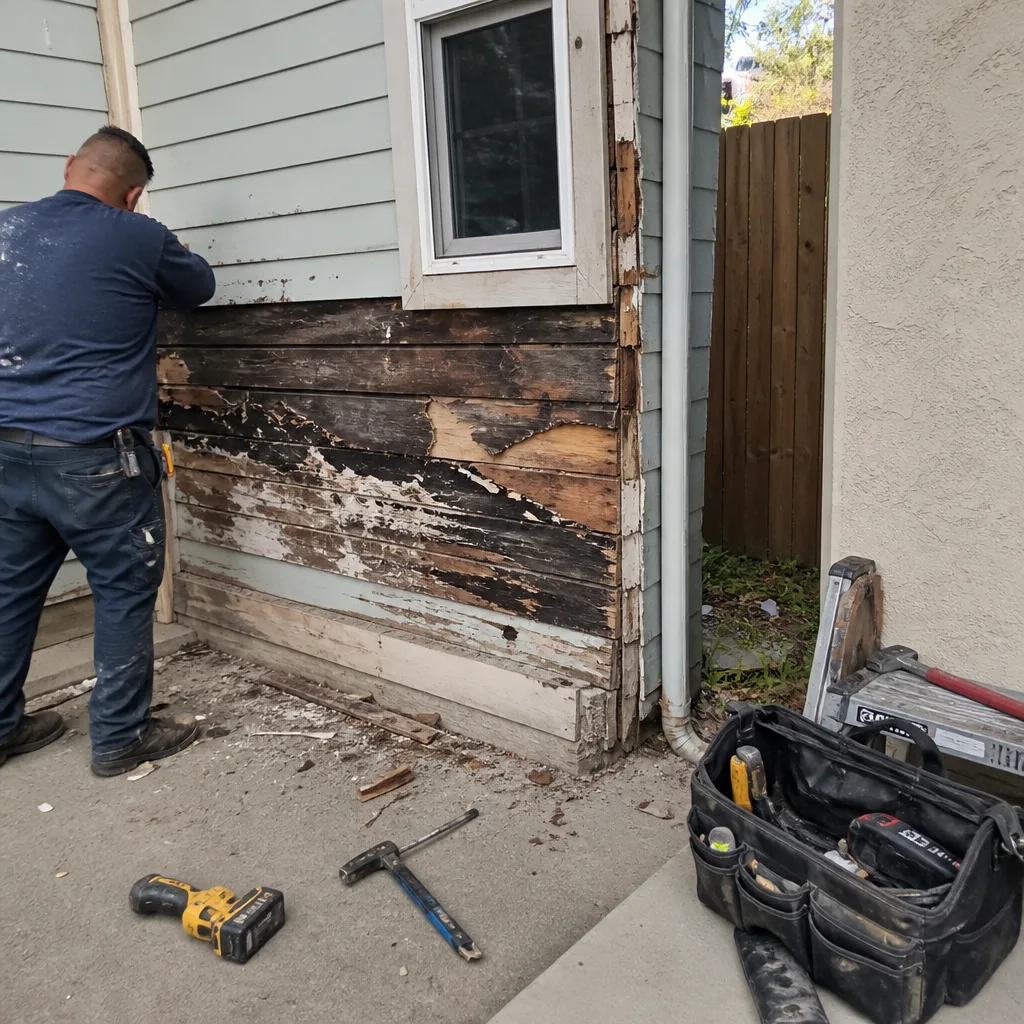 Before
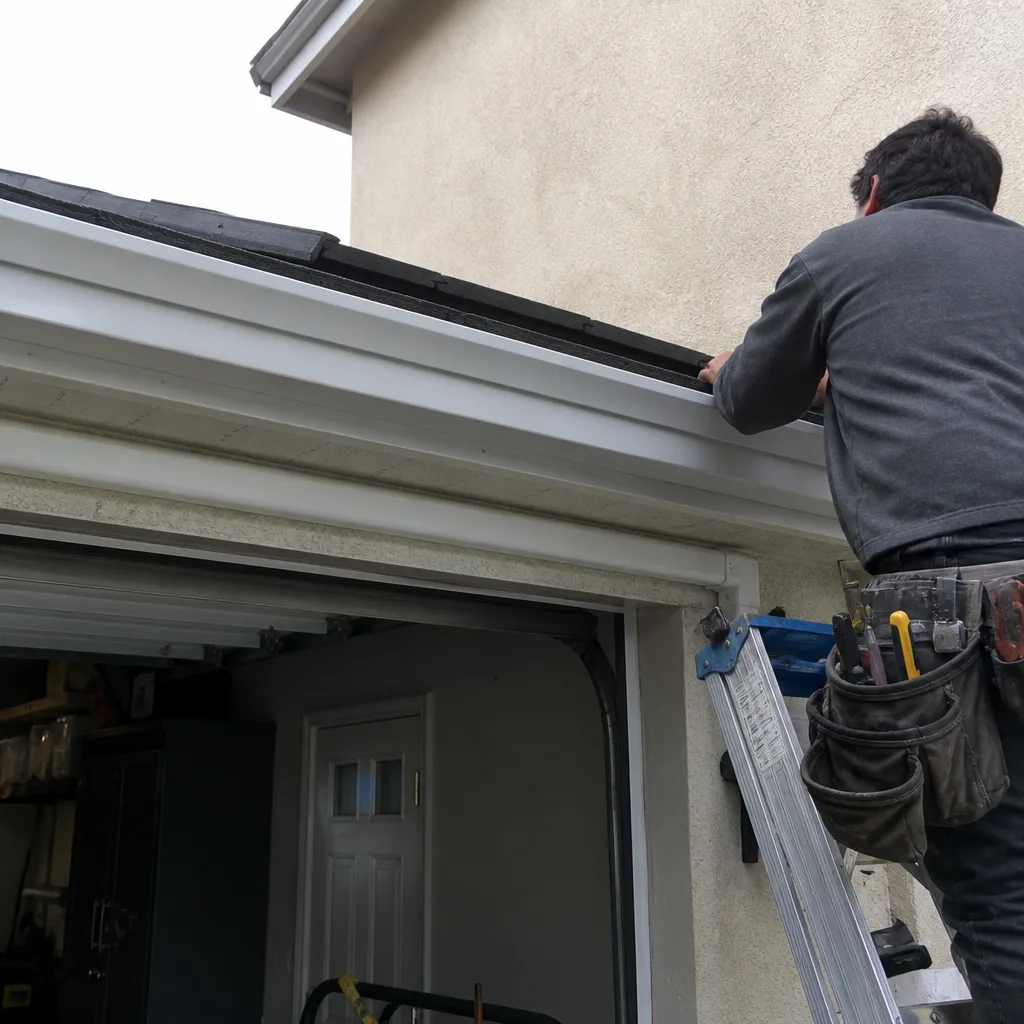 After
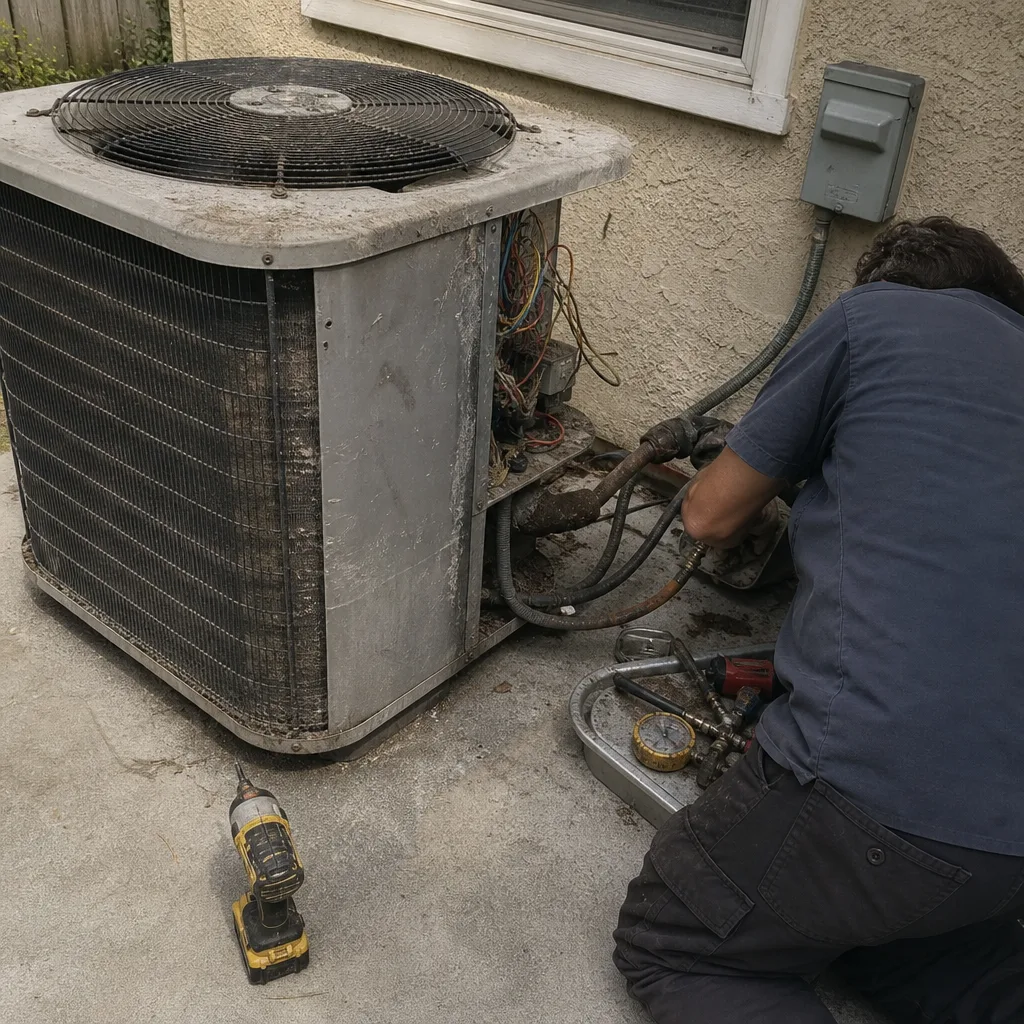 Before
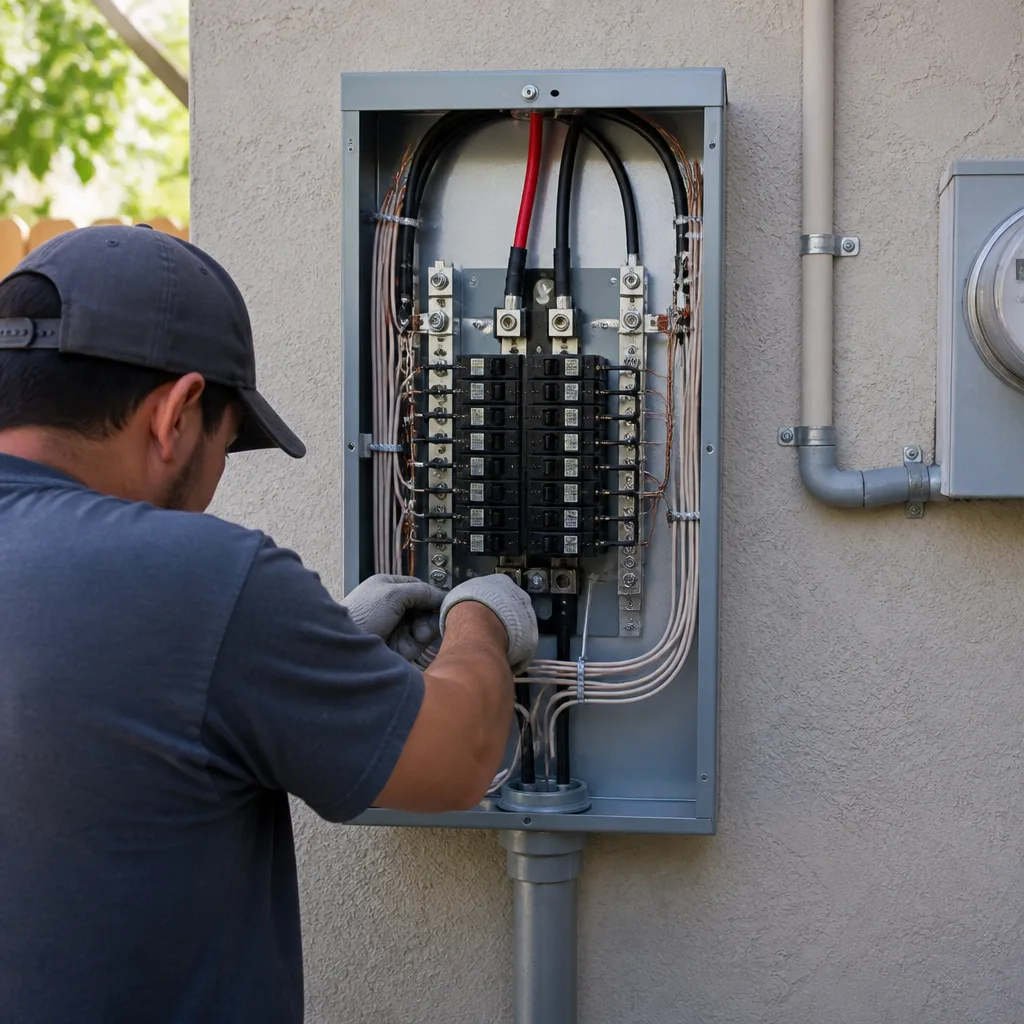 After
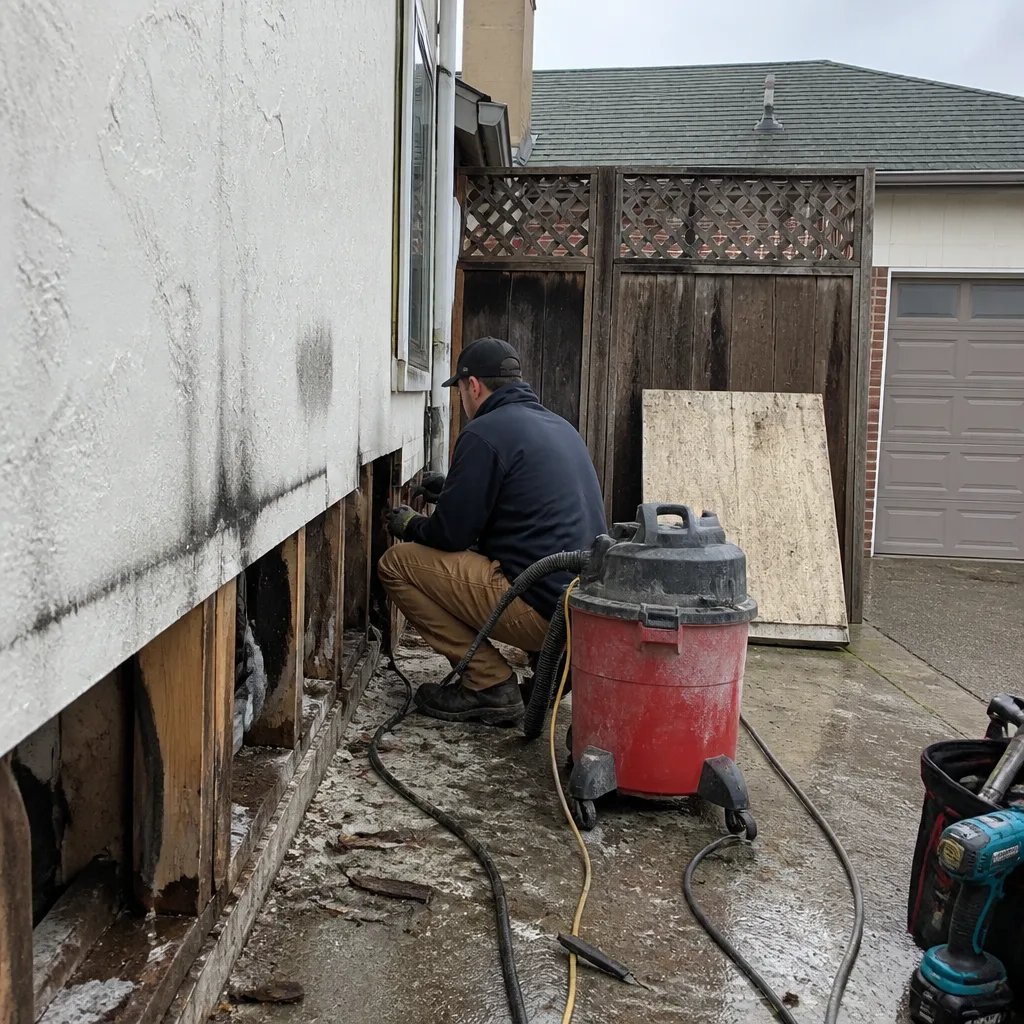 Before
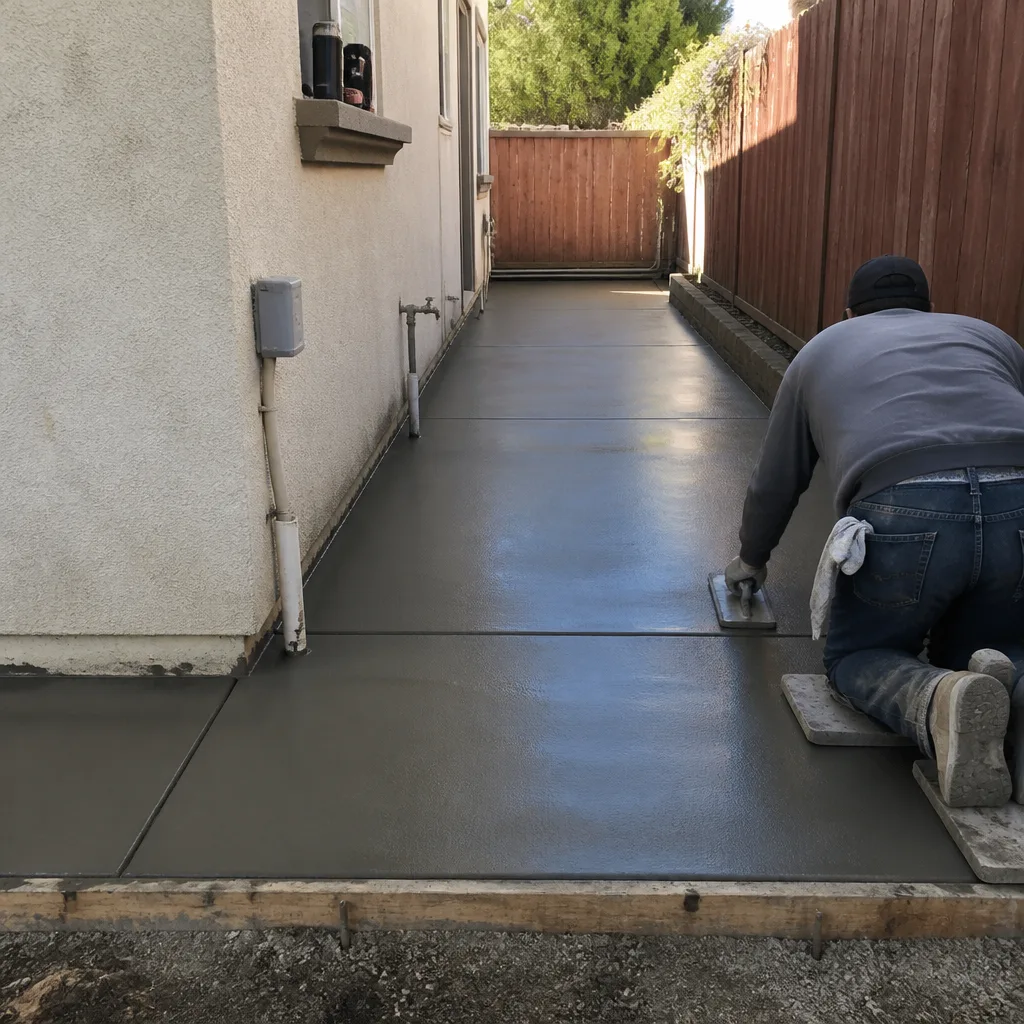 After